Anumana’s AI Magic: Breaking New Ground in Heart Failure at AHA 2025
Anumana’s AI Magic: Breaking New Ground in Heart Failure at AHA 2025
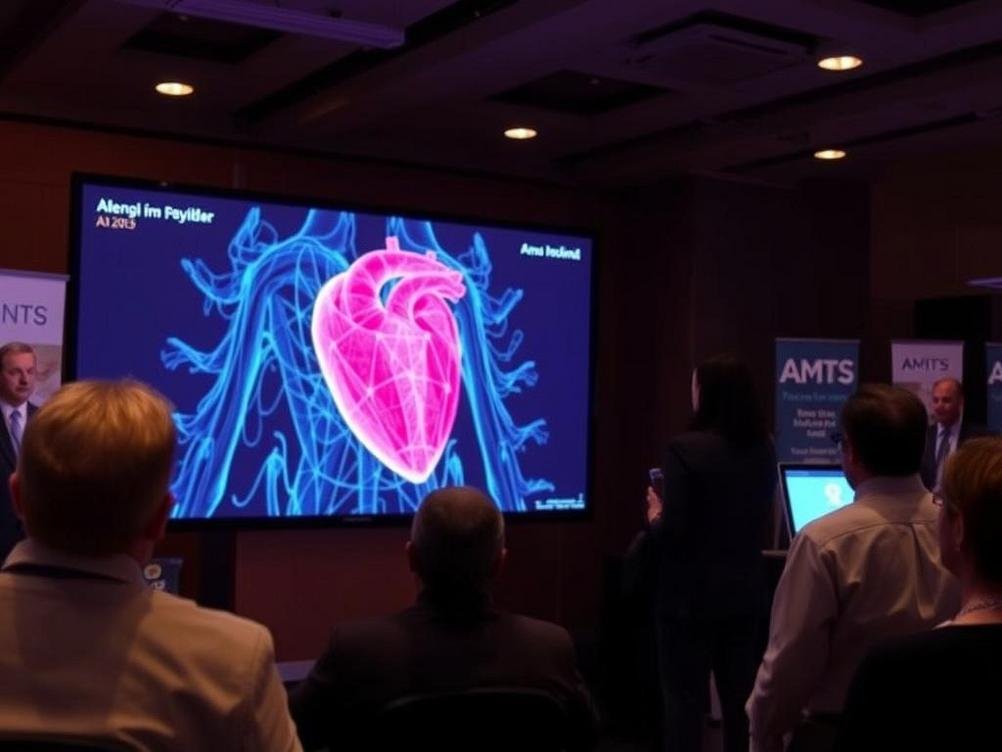
Hey there, fellow heart health enthusiasts! Imagine this: you’re chilling on your couch, binge-watching your favorite show, when suddenly your smartwatch buzzes with a heads-up about a potential heart issue. Sounds like science fiction, right? Well, buckle up because Anumana is turning that fantasy into reality with their cutting-edge AI tech. At the American Heart Association’s 2025 Scientific Sessions, they’ve dropped some serious bombshells – a late-breaking study on heart failure and a bunch of abstracts that could change how we tackle cardiovascular diseases. It’s like they’ve cracked open a treasure chest of data-driven insights, making cardiology feel less like a guessing game and more like a precision strike. I’ve been geeking out over this stuff, and let me tell you, it’s exciting. Heart failure affects millions worldwide, sneaking up like that uninvited guest at a party who overstays their welcome. Anumana’s work isn’t just about fancy algorithms; it’s about saving lives, one heartbeat at a time. In this post, we’ll dive into what they presented, why it matters, and how AI is shaking up the medical world. Stick around – you might just learn something that could keep your ticker in top shape!
What Exactly is Anumana Up To?
Anumana isn’t your run-of-the-mill tech startup; they’re a powerhouse born from the Mayo Clinic and nference, focusing on AI for cardiovascular care. Think of them as the Sherlock Holmes of heart health, using AI to detect clues that human eyes might miss. At AHA 2025, they showcased a late-breaking clinical trial on heart failure detection, which is huge because heart failure is like that sneaky villain in a thriller movie – it builds up quietly until boom, crisis mode.
Their study involved analyzing ECG data with AI algorithms to spot early signs of heart failure. It’s not just about reading squiggly lines on a graph; it’s about predicting risks before symptoms even show up. I mean, who wouldn’t want a crystal ball for their heart? This could mean fewer hospital visits and more time enjoying life, like finally taking that road trip you’ve been postponing.
Beyond the main study, they presented multiple abstracts covering everything from arrhythmia detection to personalized treatment plans. It’s like they’ve got a whole toolbox of AI gadgets ready to fix the heart’s woes.
The Late-Breaking Heart Failure Study: A Game-Changer?
Let’s zoom in on that star of the show – the late-breaking study. Anumana’s AI model was trained on massive datasets from real patients, learning to identify patterns that scream ‘heart failure ahead!’ Early results? Impressive. They reported higher accuracy in detecting left ventricular dysfunction compared to traditional methods. It’s like upgrading from a flip phone to the latest smartphone – suddenly, everything’s clearer and faster.
Picture this: a doctor gets an alert from Anumana’s system during a routine check-up. Instead of waiting for symptoms to worsen, they can intervene early. Studies show that early detection can reduce mortality rates by up to 30%, according to some cardiology journals. Anumana’s approach might just be the key to unlocking those stats in everyday practice.
Of course, it’s not all smooth sailing. There are questions about data privacy and how well this works across diverse populations. But hey, Rome wasn’t built in a day, and neither is revolutionary med-tech.
Abstracts Galore: More AI Goodies from Anumana
Besides the big study, Anumana flooded AHA 2025 with abstracts that delve into various corners of cardiovascular science. One standout was on using AI to predict atrial fibrillation from standard ECGs – that’s the irregular heartbeat that can lead to strokes if not caught early.
Another abstract explored AI’s role in optimizing pacemaker settings. It’s like having a personal trainer for your heart’s electrical system, ensuring everything runs smoothly without unnecessary tweaks. These aren’t just theoretical; they’re backed by real-world data from collaborations with top hospitals.
I love how they’re making AI accessible. No need for super-expensive equipment; much of this runs on existing devices. It’s democratizing heart care, which is sorely needed in a world where not everyone has access to fancy clinics.
Why AI in Cardiology is the Future (And a Bit Funny Too)
AI in medicine sometimes feels like that overenthusiastic friend who thinks they know everything. But in cardiology, it’s proving its worth. Anumana’s tech can sift through terabytes of data faster than any human, spotting trends we might overlook. Remember when we thought self-driving cars were nuts? Well, AI-driven diagnostics are on a similar path, minus the road rage.
Statistically speaking, cardiovascular diseases are the number one killer globally, claiming about 17.9 million lives each year, per the World Health Organization. If Anumana’s tools can chip away at that number, it’s a win. Plus, it’s kinda humorous imagining AI as a heart whisperer, listening to beats and whispering back secrets.
But let’s not get carried away. AI isn’t replacing doctors; it’s augmenting them. Think Batman and Robin – the doc’s Batman, AI’s the trusty sidekick with gadgets.
Real-World Impacts: Stories and Examples
Let’s get real for a sec. Take my buddy Dave, who had a scare with heart palpitations last year. If something like Anumana’s AI had been around, maybe his doc could’ve caught it sooner. Their abstracts include case studies where AI flagged issues in patients who seemed fine on paper.
One example from their presentations: a 55-year-old woman with no symptoms, but AI detected subtle ECG changes pointing to impending heart failure. Early meds turned things around. It’s stories like these that make the tech relatable, not just numbers on a screen.
And globally? In underserved areas, where specialists are scarce, this could be a lifesaver. Imagine rural clinics using app-based AI to screen patients – talk about leveling the playing field!
Challenges and the Road Ahead
Okay, time for some honesty. Integrating AI into healthcare isn’t all rainbows. There’s the whole regulatory hurdle – FDA approvals don’t come easy, and for good reason. Anumana’s navigating this, but it’s a slow dance.
Then there’s the ‘black box’ issue: how does the AI make its decisions? Transparency is key to building trust. Their AHA presentations addressed this with explainable AI models, which is a step in the right direction.
Looking forward, collaborations like Anumana’s with Mayo Clinic could lead to more breakthroughs. Who knows? Maybe soon we’ll have AI that predicts heart issues from your fitness tracker data. Exciting times!
Conclusion
Whew, we’ve covered a lot of ground here, from Anumana’s flashy presentations at AHA 2025 to the nitty-gritty of AI in heart health. It’s clear that their late-breaking study and abstracts are pushing boundaries, making cardiovascular science smarter and more proactive. In a world where heart disease doesn’t discriminate, tools like these could be the difference between a close call and a happy ending. So, next time your heart skips a beat – maybe from excitement over tech like this – remember, AI might just be watching out for you. Stay heart-healthy, folks, and keep an eye on innovators like Anumana. Who knows what they’ll unveil next? If you’re into this stuff, check out their site at anumana.ai for more details. Here’s to healthier hearts all around!