 dailytech.ai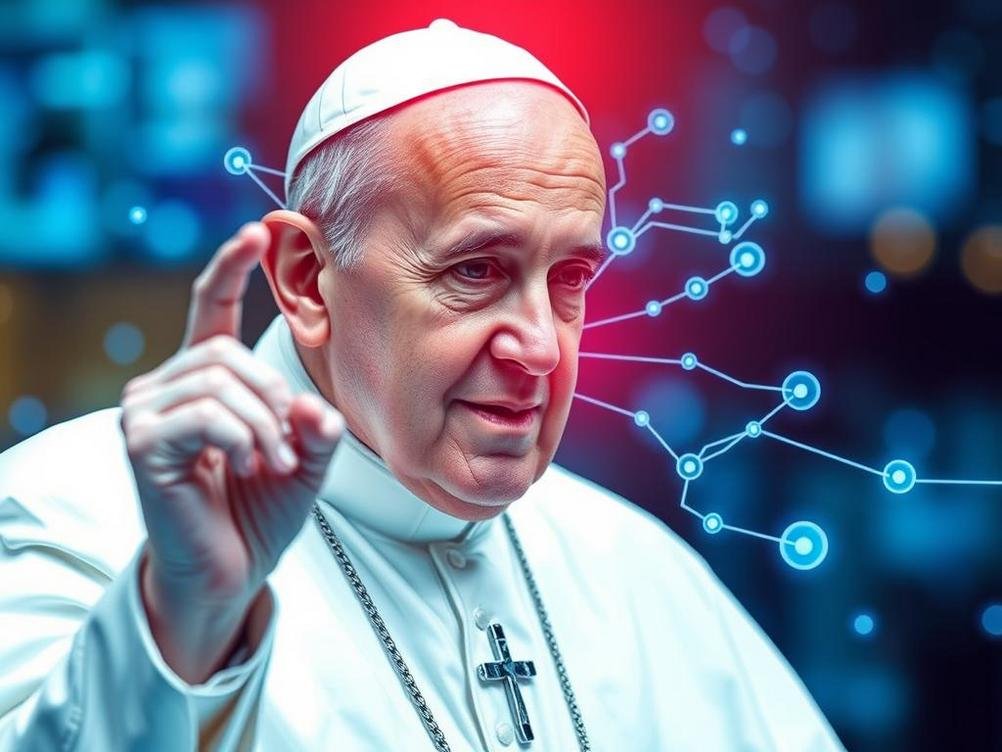
The Pope Weighs In on AI in Healthcare: Keeping the Human Heart in Medicine
You know, when I first heard that the Pope was chiming in on artificial intelligence in healthcare, I did a double-take. I mean, the Vatican and AI? Sounds like the setup for a weird sci-fi movie, right? But hey, Pope Francis isn’t one to shy away from modern issues. Recently, he made some pretty insightful comments about how AI should be used in medicine without messing up the quality of care or those all-important doctor-patient relationships. It’s like he’s reminding us that even with all this fancy tech, we’re still dealing with real people who need compassion, not just cold algorithms. Think about it – AI can crunch numbers and spot patterns faster than any human, but can it hold your hand during a scary diagnosis? Probably not. The Pope’s message is a timely nudge for all of us to balance innovation with humanity. In a world where robots are diagnosing diseases and chatbots are dispensing advice, it’s easy to forget the emotional side of healing. His words highlight the ethical tightrope we’re walking: embracing AI to improve outcomes while ensuring it doesn’t erode the trust and empathy that make healthcare truly effective. As someone who’s waited in too many sterile waiting rooms, I get it – we want tech that helps, not one that makes us feel like just another data point.
Why the Pope’s Getting Involved in AI Debates
So, why is the leader of the Catholic Church dipping his toes into the AI pool? Well, Pope Francis has a history of tackling big societal issues, from climate change to poverty, and AI is no different. He sees it as a tool that could either uplift humanity or widen inequalities, especially in healthcare where access isn’t equal for everyone. His recent statements emphasize that AI must serve the common good, not just profit margins.
Imagine a rural clinic in a developing country using AI to diagnose rare diseases – that’s the upside. But if it’s biased or unreliable, it could do more harm than good. The Pope’s call is for ethical guidelines that prioritize human dignity, making sure tech enhances care without replacing the irreplaceable human elements.
It’s not just talk; the Vatican has hosted conferences on AI ethics, bringing together tech gurus and theologians. It’s like a holy hackathon, blending faith and futurism.
The Role of AI in Modern Healthcare: The Good Stuff
Let’s not bash AI entirely – it’s doing some amazing things in healthcare. From predicting outbreaks to personalizing treatments, it’s like having a super-smart sidekick for doctors. For instance, AI algorithms can analyze X-rays faster and sometimes more accurately than tired radiologists after a long shift.
Take IBM’s Watson Health – it sifts through mountains of medical data to suggest treatment options. Or how about those wearable gadgets that monitor heart rates and alert you to irregularities? It’s preventive care on steroids, potentially saving lives before things get dicey.
But here’s the kicker: according to a 2023 study by the World Health Organization, AI could reduce diagnostic errors by up to 30%. That’s huge! Yet, the Pope reminds us to keep quality in check, ensuring these tools are tested and fair.
The Human Touch: Why Relationships Matter in Medicine
Picture this: you’re sitting in a doctor’s office, nervous about test results, and instead of a empathetic chat, you get a robot voice reading stats. Bummer, right? The Pope stresses that AI shouldn’t undermine those vital relationships between patients and caregivers. It’s about trust, comfort, and that intangible connection that makes healing holistic.
In my own experience, a doctor’s reassuring smile has been worth more than any prescription. Studies back this up – strong patient-doctor bonds lead to better adherence to treatments and improved outcomes. AI can assist, sure, but it can’t replicate empathy or cultural nuances.
Here’s where it gets funny: imagine AI trying to interpret sarcasm in a patient’s complaint. ‘Oh, my back is killing me’ – is that literal or figurative? Humans get it; machines might schedule an autopsy!
Potential Pitfalls: When AI Goes Wrong in Healthcare
AI isn’t perfect – far from it. Biases in data can lead to skewed results, like algorithms that work better for certain ethnic groups. The Pope warns against this, urging for inclusive development to maintain care quality.
Remember the time an AI system misdiagnosed skin cancer more often in darker skin tones? That’s a real issue from biased training data. Plus, over-reliance on tech could deskill doctors, turning them into button-pushers rather than thinkers.
- Data privacy concerns: Who owns your health info?
- Job displacement: Will nurses be replaced by bots?
- Ethical dilemmas: What if AI suggests withholding treatment to cut costs?
These are the shadows we need to address, as per the Pontiff’s wisdom.
Balancing Act: How to Integrate AI Ethically
So, how do we mix AI into healthcare without losing our souls? The Pope suggests frameworks that ensure transparency and accountability. Think regulations that mandate human oversight for critical decisions.
Countries like the EU are already on it with AI acts that classify medical AI as high-risk, requiring rigorous checks. It’s like putting guardrails on a highway – speed is great, but safety first.
On a lighter note, maybe we need AI with a ‘humor module’ to keep things relatable. But seriously, training programs for healthcare pros on using AI ethically could bridge the gap.
Real-World Examples: AI in Action
Let’s look at some success stories. In the UK, the NHS uses AI to predict patient admissions, easing bed shortages. It’s efficient and, when done right, boosts care quality without ditching relationships.
Or consider telemedicine apps powered by AI during the pandemic – they kept connections alive when in-person visits were risky. Pope Francis would probably approve, as long as they don’t become the norm at the expense of face-to-face care.
Stats show: A McKinsey report estimates AI could add $150 billion to healthcare by 2026. But the key is equitable distribution, aligning with the Pope’s vision of tech for all.
Conclusion
Wrapping this up, the Pope’s take on AI in healthcare is a breath of fresh air in our tech-obsessed world. It’s a reminder that while machines can revolutionize medicine, they shouldn’t steal the show from human compassion and quality care. By heeding his advice, we can harness AI’s power to heal more effectively, ensuring no one gets left behind in the digital rush. So, next time you’re at the doctor’s, appreciate that warm handshake – it’s irreplaceable. Let’s push for ethical AI that enhances, not replaces, the heart of healthcare. Who knows, maybe it’ll inspire a more humane future for all of us.








Leave a Reply