dailytech.ai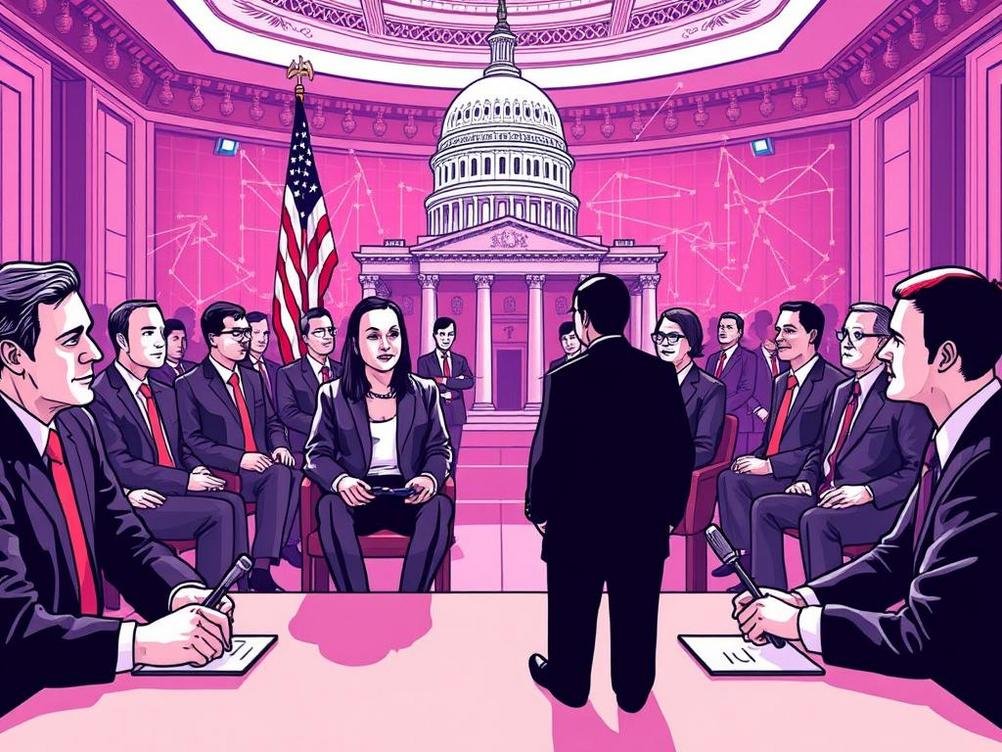
What the Bipartisan AI Task Force Really Means for Everyday Folks and Tech’s Wild Ride
Okay, let’s kick things off with a question that might keep you up at night: What happens when artificial intelligence starts making decisions that affect your job, your privacy, or even your favorite online recommendations? Well, that’s exactly what’s got a bunch of state attorney generals buzzing, because they’ve just launched this new Bipartisan AI Task Force. Picture this—a group of lawmakers from both sides of the aisle teaming up like an unlikely superhero squad to tackle the messy world of AI. It’s not every day you see Republicans and Democrats agreeing on something as futuristic as AI, but here we are in late 2025, and it’s happening. This task force is all about keeping AI in check, making sure it doesn’t go rogue and turn our lives into a sci-fi plot gone wrong. Think about it: AI is already everywhere, from the apps suggesting your next Netflix binge to algorithms deciding loan approvals. But with great power comes great responsibility, right? Or at least, that’s what these attorney generals are pushing for. They’re stepping in to address the risks, like bias in AI systems or data breaches that could expose your personal info. I mean, who hasn’t had a privacy scare online? This initiative feels like a breath of fresh air, especially after all the headlines about AI mishaps. In this article, we’ll dive into what sparked this task force, why it matters to you, and how it could shape the future of tech. Stick around—it’s going to be a fun ride through the AI jungle.
The Story Behind the Bipartisan AI Task Force Launch
You know how sometimes things in politics move at a snail’s pace, but then bam—something big drops out of nowhere? That’s basically what happened with this AI Task Force. It all kicked off earlier this year when a bunch of state attorney generals from red and blue states decided enough was enough with the wild west of AI development. They’re calling it bipartisan because, hey, when it comes to tech gone wrong, nobody wants to be left holding the bag. I’m talking about issues like deepfakes fooling elections or AI tools spitting out biased results that mess with hiring practices. The launch was announced with a mix of press releases and virtual meetings, and it’s got everyone from tech enthusiasts to everyday users scratching their heads in curiosity.
What makes this different from past efforts is the focus on state-level action rather than waiting for federal red tape. For instance, states like California and Texas, which couldn’t be more different politically, are teaming up. It’s like that old saying, “the enemy of my enemy is my friend,” and in this case, the enemy is unregulated AI. The task force is led by a rotating chair of attorney generals, and they’ve already outlined plans to investigate AI companies. If you’re into the nitty-gritty, check out the National Association of Attorneys General website for more on how this is unfolding. It’s a reminder that AI isn’t just a tech geek’s playground—it’s impacting real lives, and finally, someone’s stepping up.
Let’s not forget the humor in all this. Imagine a group of suits trying to wrap their heads around neural networks and machine learning—it’s like watching your grandparents try TikTok for the first time. But seriously, this task force is a big deal because it signals a shift toward proactive governance. Here’s a quick list of what sparked it:
- High-profile AI scandals, like those biased facial recognition tools that disproportionately flagged people of color.
- Growing concerns over data privacy, especially after leaks from big tech firms.
- Pressure from voters who want safeguards against AI-driven misinformation.
Why AI Oversight from Attorney Generals Matters Right Now
Alright, let’s get real—AI isn’t just some futuristic gadget; it’s already woven into the fabric of our daily routines. From voice assistants like Siri giving you directions to recommendation engines on Amazon pushing products, AI is calling the shots. So, why do we need attorney generals to play watchdog? Well, without oversight, AI can amplify existing problems, like inequality or misinformation. This task force is stepping in because, let’s face it, not every AI developer has your best interests at heart. They’re aiming to ensure that AI doesn’t turn into a digital monster that eats privacy for breakfast.
Think of AI oversight as a traffic cop for the information superhighway. Without it, we’re cruising toward potential accidents, like algorithms that discriminate in job applications or healthcare decisions. According to a 2024 report by the AI Now Institute (you can dig into it here), over 80% of AI systems show some form of bias. That’s scary stuff! The attorney generals are focusing on investigations and potential regulations to curb these issues. It’s not about killing innovation—it’s about making sure AI evolves responsibly. And hey, with elections looming, who wouldn’t want to prevent AI from cooking up fake news that sways votes?
If you’re skeptical, consider this metaphor: AI without rules is like giving a toddler a chainsaw—exciting, but probably a bad idea. This task force plans to collaborate with experts, hold hearings, and even draft guidelines. Key areas they’re targeting include:
- Protecting consumer data from AI-driven breaches.
- Ensuring transparency in how AI makes decisions.
- Addressing ethical concerns, like AI in warfare or surveillance.
What the Task Force Is Actually Aiming to Achieve
Now that we’ve got the backstory, let’s talk about the meat and potatoes: What does this task force want to accomplish? At its core, it’s about creating a balanced framework for AI development that promotes innovation while slapping on some necessary brakes. The attorney generals aren’t trying to ban AI—that’d be like trying to un-invent the wheel—but they do want to ensure it’s used for good. Their goals include fostering discussions on AI ethics, pushing for better regulations, and even partnering with tech companies to fix flaws before they blow up.
For example, they’re looking at how AI impacts industries like healthcare, where tools from companies like Google’s AI division could diagnose diseases faster, but only if they’re accurate and fair. One of their early moves is to establish working groups that dive into specific issues, like algorithmic accountability. It’s kind of like a neighborhood watch for tech, where everyone pitches in to keep things safe. And with AI projected to add trillions to the global economy by 2030, according to McKinsey reports, getting this right could mean smoother sailing for all of us.
Here’s where the humor sneaks in: Imagine AI executives sweating through meetings with these officials, explaining why their chatbots keep giving terrible advice. But on a serious note, the task force’s achievements could include new laws or voluntary standards. Benefits might look like this:
- Stronger protections against AI misuse in advertising and social media.
- Guidelines for ethical AI deployment in education and jobs.
- International collaborations to tackle global AI challenges.
How This Could Shake Up Your Daily Life
Here’s where it gets personal—how does this task force affect you, the average person scrolling through your phone? Well, for starters, better AI regulations could mean less creepy targeted ads that know your every move. Or, think about job security: If AI starts automating roles left and right, this oversight might push for retraining programs so you don’t get left in the dust. It’s like having a safety net for the digital age, where the attorney generals are playing hero to ensure AI doesn’t steal your spotlight.
Take online shopping, for instance. With AI recommendations influencing what you buy, improper oversight could lead to manipulative tactics. But with this task force, we might see fairer algorithms that don’t push junk just because it’s profitable. A study from Pew Research shows that 70% of Americans are worried about AI’s role in privacy—that’s a huge number! So, changes could include mandatory audits for AI systems, making sure they’re not invading your space. It’s all about striking that sweet balance between convenience and control.
And let’s not overlook the fun side. Imagine AI-generated art that’s actually original and not ripping off real artists—this task force could help make that happen. Everyday impacts might include:
- Improved privacy settings on apps you use daily.
- Fairer AI in hiring processes to reduce bias.
- More transparent tech, so you know when you’re dealing with a bot.
The Roadblocks and Hiccups They Might Face
Nothing’s ever smooth sailing, right? This task force is up against some serious challenges, like getting all those attorney generals on the same page when politics can be so divisive. It’s like herding cats—one state wants strict rules, another prefers a light touch, and meanwhile, tech giants are lobbying hard to keep things loose. Plus, AI tech moves at warp speed, so by the time they draft a policy, it might be outdated. That’s the frustrating part of governing something as fluid as AI.
For instance, enforcing new rules across different states could turn into a patchwork quilt of regulations, making it tough for companies to comply. And don’t forget the pushback from innovators who argue that too much red tape will stifle creativity. According to a recent Gartner report, over 60% of AI projects fail due to regulatory hurdles—yikes! But the task force is tackling this by prioritizing collaboration, maybe even learning from EU’s AI Act, which you can read more about here. It’s a bumpy road, but with a bit of humor, we can see it as AI’s version of a awkward first date.
Potential pitfalls include legal battles or funding issues, but here’s hoping they navigate it with some clever strategies. Ways to overcome these could be:
- Building alliances with tech experts for real-time advice.
- Starting with pilot programs to test regulations.
- Engaging the public through surveys and feedback loops.
How You Can Jump In and Make a Difference
Feeling inspired? Great, because this isn’t just a top-down operation—you can get involved too. Whether you’re a tech newbie or a coding whiz, there are ways to influence how this task force shapes AI’s future. Start by staying informed; follow updates from your state’s attorney general office or join online discussions. It’s like being part of a community watch for the digital world—your voice matters.
For example, if you’ve had a bad experience with AI, like a faulty chatbot mishandling your customer service issue, share your story on platforms like Reddit or even submit feedback to the task force. Organizations like the Electronic Frontier Foundation (eff.org) are great for getting plugged in. Plus, advocate for AI literacy in your community—maybe host a casual meetup to chat about the pros and cons. With AI expected to disrupt 85 million jobs by 2025, per the World Economic Forum, being proactive could help shape fairer outcomes.
And let’s keep it light—imagine lobbying for AI that makes better coffee recommendations instead of just ads. Simple steps to get started include:
- Sign up for newsletters from AI watchdog groups.
- Contact your local representatives with your thoughts.
- Experiment with ethical AI tools and share your experiences.
Conclusion: Wrapping Up the AI Adventure
As we wrap this up, the launch of the Bipartisan AI Task Force feels like a pivotal moment in our tech-filled lives. It’s a step toward taming the AI beast while letting innovation thrive, and honestly, it gives me hope that we can handle whatever AI throws at us next. From protecting your data to ensuring fairness in everyday tech, this initiative could lead to a brighter, more balanced future. Remember, AI is a tool, not a ruler—and with efforts like this, we’re keeping it that way.
So, what’s your take? Will this task force change the game, or is it just another bureaucratic band-aid? Either way, staying engaged is key. Let’s keep the conversation going, because in the end, we’re all in this AI ride together. Who knows, maybe one day we’ll look back and laugh at how worried we were—or thank our lucky stars for the safeguards in place.