dailytech.ai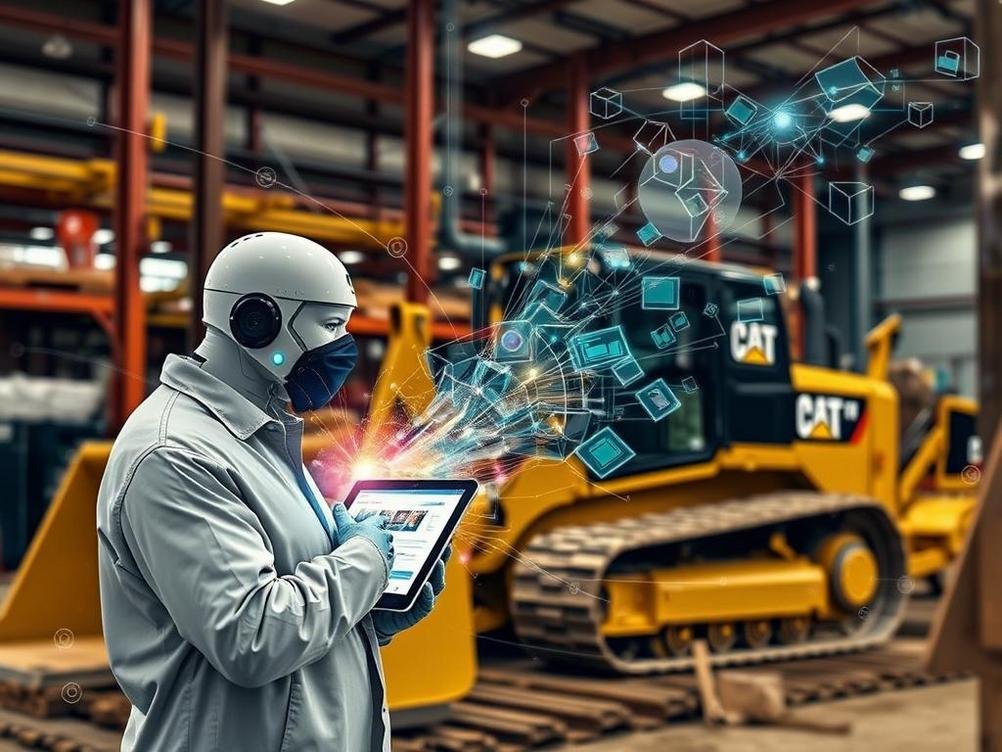
Why Caterpillar Isn’t Winning the AI Game: A Skeptic’s Take on Heavy Machinery’s Tech Lag
Ever wondered why some companies seem to ride the AI wave like they’re surfing pros, while others are still fumbling with their flippers? Take Caterpillar, the big beast in the world of heavy machinery—think bulldozers and excavators that build our cities and dig up our resources. Recently, a lone bear (that’s Wall Street lingo for a super-pessimistic investor) has been shouting from the rooftops that Caterpillar isn’t exactly the AI darling everyone hoped for. It’s like watching your favorite old-school rock band try to go viral on TikTok; it just doesn’t click. This whole debate got me thinking about how AI is shaking up industries that feel as ancient as the pyramids, and why some players are getting left in the dust.
In today’s fast-paced world, AI is everywhere—from your smart fridge suggesting recipes to self-driving cars zipping around. But for Caterpillar, a company that’s been around since 1925, jumping on the AI bandwagon isn’t as straightforward as it sounds. This lone bear’s critique highlights how traditional manufacturing giants might be missing out on the AI revolution, and honestly, it’s a bit of a wake-up call. We’re talking about missed opportunities in automation, predictive maintenance, and even smarter supply chains that could save billions. As someone who’s followed tech trends for years, I can’t help but chuckle at the irony: the company that moves mountains is struggling to shift gears into the digital age. Stick around as we dive deeper into this mess, exploring why Caterpillar’s AI story isn’t the blockbuster we expected, and what it means for the future of industry. Who knows, maybe by the end, you’ll see why being a ‘bear’ isn’t always a bad thing—it’s just honest forecasting.
What Exactly is a ‘Lone Bear’ and Why Should We Care?
Okay, let’s break this down without getting too bogged down in finance jargon. A ‘lone bear’ is basically that one investor who’s yelling ‘sell!’ while everyone else is partying with ‘buy’ orders. In this case, it’s someone pointing fingers at Caterpillar, saying their stock isn’t going to soar because they’re not embracing AI like, say, Tesla or Google. Imagine you’re at a party, and while everyone’s hyped about the latest gadget, this guy in the corner is muttering about how it’s all a fad. That’s our lone bear here, and their take is that Caterpillar’s machinery empire isn’t primed for the AI boom.
Why does this matter? Well, in 2025, AI is reshaping everything from healthcare to entertainment, and industries like construction and mining are no exception. According to a report from McKinsey from earlier this year, AI could add up to $13 trillion to the global economy by 2030, but only if companies adapt. Caterpillar, with its focus on rugged, reliable equipment, might be stuck in the past—think of it as that trusty old pickup truck that still runs great but doesn’t have Bluetooth. The lone bear’s argument is simple: if Caterpillar doesn’t innovate with AI, they’re going to get outpaced by nimbler competitors. It’s a fair point, and it’s got investors scratching their heads, wondering if their portfolios are safe.
To put it in perspective, let’s list out a few reasons why this bearish view is gaining traction:
- AI integration in manufacturing is booming, with companies like Siemens using predictive AI to cut downtime by 20%—Caterpillar’s not keeping up.
- Investors are flocking to AI-forward firms, making stocks like Nvidia skyrocket, while Caterpillar’s shares have been more of a slow climb.
- The global push for sustainability means AI could optimize fuel efficiency in machinery, but Caterpillar’s efforts feel half-hearted compared to electric vehicle leaders.
Caterpillar’s AI Journey: More Hype Than Reality?
So, what’s the deal with Caterpillar and AI? On paper, they’ve dabbled in it—things like autonomous trucks and smart sensors for equipment. But according to our lone bear, it’s all surface-level stuff. It’s like when your grandma tries to use emojis; she gets the idea, but it’s not exactly fluent. Caterpillar has been talking about AI for years, yet their implementation seems laggy, especially when you compare it to how AI’s transforming other sectors.
Take, for instance, how AI is revolutionizing agriculture with drones that plant seeds autonomously. Caterpillar could be doing something similar in construction, but instead, they’re playing catch-up. A study from Deloitte shows that 67% of manufacturers are investing heavily in AI for better efficiency, yet Caterpillar’s moves feel cautious, almost reluctant. Maybe it’s the sheer size of their operations; changing a fleet of massive machines isn’t like updating an app on your phone. Still, it’s funny how the company that builds the tools for progress is hesitant to use the latest tech itself.
- Examples include Caterpillar’s Cat Command for remote operation, which is cool but not as advanced as fully autonomous systems from competitors.
- Real-world insight: In mining, AI-driven analytics could predict equipment failures, saving millions, but Caterpillar’s tools are often bolted-on rather than built-in.
The Bigger Picture: AI’s Explosion in Manufacturing
Step back for a second and look at the manufacturing world—it’s exploding with AI innovations. From robotic arms that assemble cars faster than you can say ‘assembly line’ to AI algorithms that forecast supply chain disruptions, it’s a wild ride. Caterpillar operates in this space, but their ‘no AI darling’ label suggests they’re not leading the charge. It’s like being at a tech conference where everyone’s demoing flying cars, and you’re still showing off a better wheel.
Statistics from the World Economic Forum indicate that AI could boost manufacturing productivity by 30-50% in the next decade. That’s huge! For Caterpillar, that means opportunities in areas like predictive maintenance or AI-optimized routing for their machines. But if our lone bear is right, they’re not capitalizing on it. Think about it: while other companies are using AI to cut costs and innovate, Caterpillar might be sticking to what they know, which is reliable but not revolutionary.
Here’s a quick list of AI trends hitting manufacturing hard:
- Autonomous operations, like self-driving vehicles, which Caterpillar has but isn’t pushing aggressively.
- Data analytics for real-time decisions, helping firms like Bosch stay ahead.
- Sustainable practices, where AI reduces waste—something Caterpillar could excel at but hasn’t fully embraced.
Why Might Caterpillar Be Falling Behind in AI?
Alright, let’s get real—why isn’t Caterpillar the AI poster child? Part of it could be their corporate culture. These big industrial firms are built on decades of mechanical engineering, not software code. It’s like asking a master chef who’s perfected steak to suddenly master molecular gastronomy; it takes time and maybe a few burnt dishes. The lone bear points out that regulatory hurdles, high costs, and a conservative investor base are holding them back from diving headfirst into AI.
Plus, in an industry where safety is paramount, rolling out untested AI could be risky. Imagine a malfunctioning AI-controlled bulldozer—yikes! Reports from Gartner suggest that only 10% of enterprises have scaled AI beyond pilots, and Caterpillar might be in that boat. It’s not that they’re ignoring AI; it’s more like they’re dipping their toes while others are cannonballing in. As an observer, I find this kind of endearing—it’s the underdog story, but with multi-billion-dollar stakes.
To illustrate, consider metaphors: Caterpillar is like that reliable family sedan that’s great for road trips but can’t compete with the electric speedsters. Key challenges include:
- Legacy systems that aren’t AI-compatible, making upgrades expensive.
- A workforce trained in mechanics, not machine learning, creating a skills gap.
- Market pressures that prioritize short-term profits over long-term tech investments.
Opportunities Knocking: Can Caterpillar Turn Things Around?
Here’s the silver lining—despite the bearish vibes, Caterpillar has chances to flip the script. AI isn’t going anywhere; it’s evolving faster than a kid with a new video game console. If they partner up with tech giants or invest in R&D, they could integrate AI in ways that make their machines smarter and more efficient. Picture autonomous excavators that learn from data to avoid accidents—game-changer!
Real-world examples abound. Companies like John Deere have already succeeded with AI in farming equipment, boosting yields by 15%. Caterpillar could do the same in construction. Analysts predict that by 2027, AI in heavy machinery could save up to $500 billion globally in operational costs. So, why not jump on board? It’s like ignoring a sale at your favorite store; you might regret it later. With a bit of hustle, Caterpillar could silence that lone bear and become an AI contender.
- Potential moves: Collaborations with AI firms like IBM for advanced analytics.
- Benefits: Reduced downtime and better resource management, leading to higher profits.
- Risks if ignored: Losing market share to agile startups flooding the space.
What This Means for Investors and the Future
As we wrap up this chat, let’s think about the implications. For investors, the lone bear’s warning is a nudge to diversify. If Caterpillar’s not keeping up with AI, your portfolio might need some tech-savvy stocks to balance it out. It’s like not putting all your eggs in one basket—especially if that basket is full of wrenches and gears instead of circuits and code.
Looking ahead, AI’s integration into every industry is inevitable, and Caterpillar has the potential to adapt. But it requires bold steps, like more R&D or acquiring AI startups. In a world where tech evolves overnight, being a ‘darling’ means staying curious and innovative. Who knows, maybe by 2026, we’ll see Caterpillar leading the pack.
Conclusion
In the end, the lone bear’s take on Caterpillar reminds us that not every giant can dance to the AI beat right away. It’s a mix of challenges and opportunities, but with a dash of humor, we can see it as a learning curve rather than a dead end. Summing it up, AI is transforming manufacturing, and companies like Caterpillar need to evolve or risk getting left behind. Whether you’re an investor, a tech enthusiast, or just curious about the future, this story shows that staying adaptable is key. Let’s keep an eye on how things unfold—after all, in the world of innovation, the underdogs often surprise us the most.