
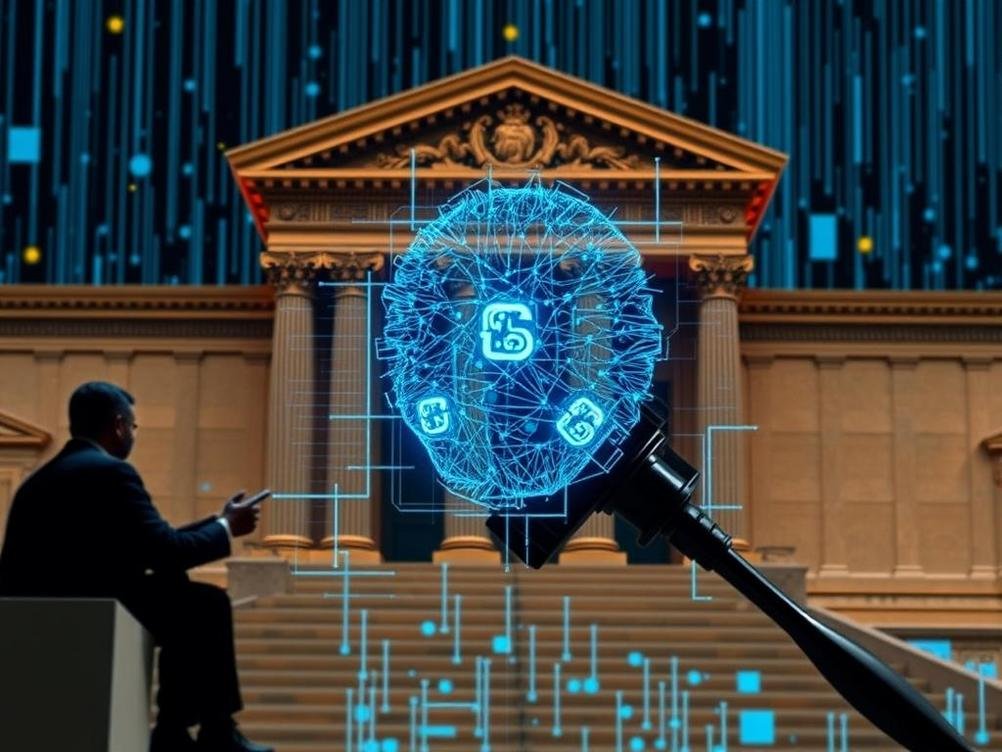
Why AI-Generated Evidence is Shaking Up Courtrooms and Freaking Out Judges
Why AI-Generated Evidence is Shaking Up Courtrooms and Freaking Out Judges
Okay, picture this: You’re sitting in a courtroom, all eyes on the witness stand, and suddenly, the evidence presented isn’t just some grainy photo or shaky video—it’s a super realistic AI-crafted recreation of events that never actually happened. Sounds like a plot from a sci-fi movie, right? Well, that’s exactly what’s got judges around the world hitting the panic button. As someone who’s geeked out on tech for years, I’ve seen how AI is revolutionizing everything from your Netflix recommendations to healthcare, but now it’s creeping into the hallowed halls of justice. And let me tell you, it’s not all high-fives and victory dances. Judges are worried that this tech could turn courtrooms into playgrounds for deception, where deepfakes and AI-fabricated ‘facts’ muddy the waters of truth. We’re talking about potential miscarriages of justice, eroded trust in the legal system, and even bigger questions like, “If a computer can lie better than a human, how do we even know what’s real anymore?” This isn’t just tech talk; it’s about the fabric of society. In this article, I’ll dive into why AI-generated evidence is causing such a stir, share some wild real-world stories, and ponder what we can do to keep things fair. Stick around, because by the end, you might just rethink how you view that AI assistant on your phone.
What Even is AI-Generated Evidence, and Why Should We Care?
Let’s break this down without getting too bogged down in tech jargon—I’m no robot, so I’ll keep it real. AI-generated evidence basically means stuff like deepfakes, where algorithms whip up videos, audio, or images that look legit but are totally fabricated. Think of it as that friend who Photoshopped themselves into a vacation photo they never took, but on steroids. Courts have always relied on evidence to paint a picture of what went down, but now, with tools like those from OpenAI or similar platforms, anyone with a laptop could create ‘evidence’ that’s indistinguishable from the real deal. It’s like having a digital magician in your pocket.
And why should we care? Well, if judges can’t trust what’s in front of them, the whole justice system crumbles. Imagine a trial where a defense attorney drops an AI-made video ‘proving’ their client was elsewhere—could be true, or it could be a slick fake. According to a 2024 report from the Electronic Frontier Foundation eff.org, over 70% of legal pros are already concerned about this. It’s not just about big cases; even small claims could go sideways. So, next time you’re binge-watching a courtroom drama, remember, the plot twists might soon be powered by AI.
The Alarms Going Off: Why Judges Are Losing Sleep Over This
You know that feeling when something seems off, like when you spot a too-perfect Instagram filter? That’s what judges are dealing with now. A bunch of high-profile cases have popped up where AI-generated content tried to slip through, and it’s got the robes rustling. For instance, in a 2025 ruling in New York, a judge threw out evidence because experts couldn’t verify if it was real or AI-tweaked. It’s hilarious in a dark way—here we are, in the future, and our biggest worry is that computers are better liars than people.
What’s really freaking them out is the speed of it all. AI tools can churn out fake evidence in minutes, making it harder to catch fakes before they influence a verdict. I mean, who wouldn’t be alarmed? It’s like trying to swat a fly with a newspaper, but the fly’s evolving faster than you can swing. Plus, with global stats showing a 40% rise in deepfake incidents in legal settings last year (per a BBC report), judges are basically yelling, “Hold up, we need rules!” This isn’t just paranoia; it’s a legitimate threat to fair trials.
- First off, it erodes credibility—how do you cross-examine a computer?
- Secondly, it could disproportionately affect underrepresented groups, as biases in AI might amplify existing inequalities.
- And lastly, it’s opening a can of worms for appeals; one fake piece could overturn years of work.
Real-World Shenanigans: AI Evidence Gone Wrong
Let’s get to the juicy stories, because who doesn’t love a good tech horror tale? Take the case of that infamous 2023 trial in the UK, where a defendant used an AI-generated audio clip to ‘prove’ an alibi. It sounded spot-on, but forensic experts caught the glitches—like unnatural voice patterns that gave it away. Judges were like, “Wait, what?” and it ended up delaying the whole proceeding. It’s almost comical, picturing a room full of lawyers scratching their heads over pixels and code.
Or remember that viral incident earlier this year in California, where a deepfake video of a witness testimony nearly derailed a corporate lawsuit? The company behind it, supposedly using tech from a firm like Midjourney midjourney.com, had to eat crow when it was debunked. These examples show how AI isn’t just a tool; it’s a wildcard that can turn the courtroom into a circus. If you’re into metaphors, it’s like bringing a wolf in sheep’s clothing to a sheepdog trial—disruptive and unpredictable.
The Flip Side: Could AI Actually Help Courts?
Alright, let’s not throw the baby out with the bathwater—AI isn’t all villainous. In fact, it could be a game-changer for sorting through mountains of evidence quickly. Think about how AI-powered tools can analyze thousands of documents in seconds, spotting patterns that a human might miss. For example, in family law cases, AI has been used to detect forged signatures with crazy accuracy, as seen in a pilot program by the American Bar Association americanbar.org. So, yeah, it’s like having a super-smart intern who never sleeps.
But here’s the catch: it’s a double-edged sword. While AI can streamline processes, it also introduces risks if not handled right. Imagine using AI to recreate crime scenes for juries—cool in theory, but what if the AI adds its own ‘creative’ flair? We’ve got to balance the benefits with safeguards, like mandatory watermarking for AI content. It’s kind of like upgrading your kitchen gadgets; they make life easier, but you still need to know how to use them without burning the house down.
- Pros: Faster evidence review, better data analysis, and reduced human error.
- Cons: Potential for misuse, ethical dilemmas, and the need for new training for legal folks.
- Real talk: If we play our cards right, AI could make justice more accessible, especially in underfunded courts.
How to Spot the Fakes and Keep Things Real
So, how do we fight back against this digital wizardry? First things first, education is key. Judges, lawyers, and even jurors need to get savvy about AI detection tools. There are apps and software out there, like those from Adobe’s content authenticity initiative adobe.com, that can flag manipulated media. It’s like giving everyone a truth serum for the digital age—empowering, but not foolproof.
Humor me for a second: Picture a world where every piece of evidence comes with a ‘Made by AI’ label, like nutritional info on a food packet. In reality, experts are pushing for standards, such as blockchain verification, to ensure what’s presented is genuine. From my chats with tech folks, I’ve learned that staying ahead means constantly updating skills—it’s a cat-and-mouse game, and right now, the mice are winning. But with the right checks, we can minimize the risks and keep the courtroom honest.
- Train legal teams on AI basics to recognize red flags.
- Implement strict protocols for verifying digital evidence.
- Encourage third-party audits for high-stakes cases.
What’s Next? Peering into the AI-Legal Crystal Ball
As we barrel toward 2026, it’s clear AI isn’t going anywhere—it’s evolving faster than my ability to keep up with the latest apps. Experts predict we’ll see global regulations, maybe something like an international AI treaty, to govern its use in courts. It’s exciting and terrifying, like watching a rollercoaster build itself. If we don’t adapt, we risk a future where truth is whatever the algorithm says it is. But hey, on the bright side, this could lead to more innovative justice systems.
Take, for instance, how some countries are already experimenting with AI-assisted mediation, reducing caseloads and speeding up resolutions. A study from the World Economic Forum weforum.org suggests this could cut trial times by up to 30%. So, while judges are alarmed now, with a bit of foresight, we might just turn this into a win. It’s all about steering the ship before it hits the iceberg.
Conclusion
Wrapping this up, AI-generated evidence shaking up courtrooms is a wake-up call we can’t ignore—it’s a mix of innovation and chaos that demands our attention. We’ve explored the what, why, and how, from real-world slip-ups to potential fixes, and it’s clear that while AI can be a powerful ally, it needs guardrails to prevent disaster. As we move forward, let’s keep the humor in it; after all, in a world of deepfakes, the truth might just be the best punchline. So, whether you’re a judge, a lawyer, or just a curious reader, stay informed and engaged—because the future of justice depends on all of us getting this right. Who knows, maybe one day we’ll look back and laugh at how we ever doubted the machines.
