
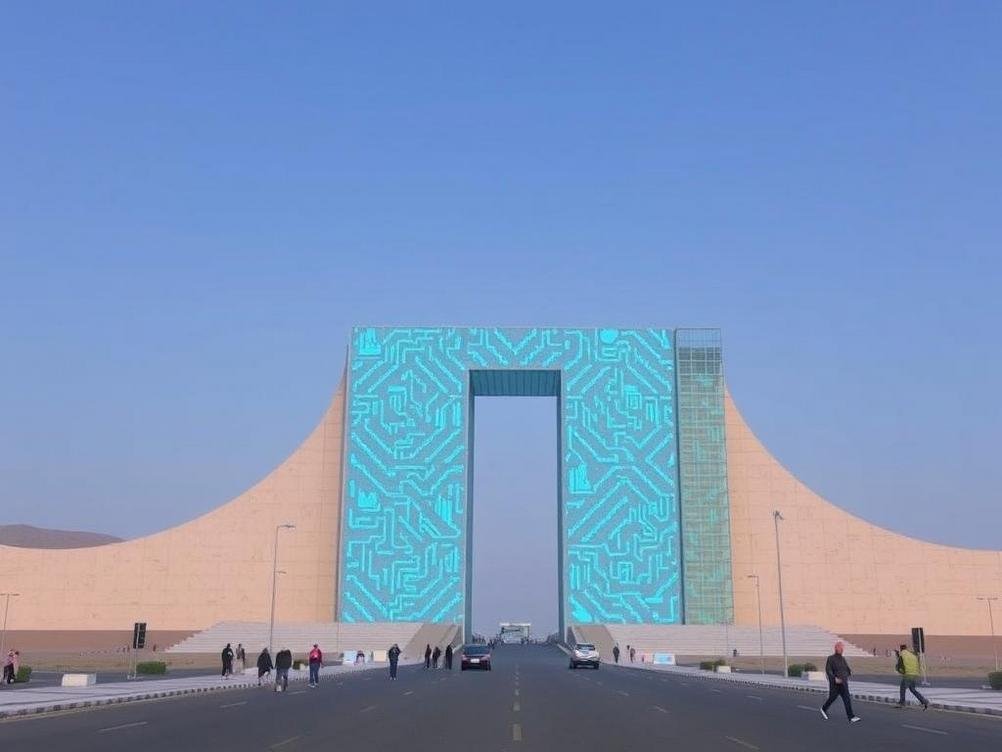
US Opens the Gates: How Chip Sales to Saudi Arabia’s Humain AI Could Reshape the Tech World
US Opens the Gates: How Chip Sales to Saudi Arabia’s Humain AI Could Reshape the Tech World
Ever wondered what happens when you mix high-stakes international politics with the wild world of artificial intelligence? Picture this: it’s like that time you tried to juggle too many things at once and ended up dropping your coffee everywhere. That’s basically what’s going on with the US government’s latest move to approve chip sales to Saudi Arabia’s up-and-coming AI venture, Humain. We’re talking about those super-powered computer chips that make AI systems hum along faster than a teenager scrolling through TikTok. This isn’t just some dry business deal; it’s a potential game-changer that could turbocharge AI innovation in the Middle East while stirring up a whole pot of geopolitical drama. As someone who’s geeked out over tech trends for years, I can’t help but see this as a sign that AI is no longer just a Silicon Valley playground—it’s going global, baby.
Now, let’s break this down a bit. The US is essentially saying, “Hey, Saudi Arabia, here’s the tech you need to build your AI dreams,” by approving the export of advanced semiconductors. This comes at a time when countries are scrambling to secure their spot in the AI race, much like nations fighting over oil back in the day. But why should you care? Well, if you’re into tech, this could mean cheaper, faster AI tools hitting the market sooner. Or, if you’re a bit of a conspiracy theorist like me on my off days, you might worry about how this tech could be used in ways we haven’t even thought of yet. From boosting everyday apps to potentially influencing global power dynamics, this deal has layers—like an onion that makes you cry, but in a good way. As of late 2025, with AI already woven into everything from your smart fridge to national security, this approval could accelerate Saudi Arabia’s push into AI, making Humain a key player. It’s exciting, it’s messy, and it’s got me thinking: are we on the brink of a new era where AI knows no borders?
The Inside Scoop on Humain and Saudi Arabia’s AI Ambitions
Okay, so who exactly is Humain, and why is everyone suddenly talking about it? Think of Humain as Saudi Arabia’s answer to tech giants like Google or OpenAI—it’s this fresh AI startup backed by some serious royal funding, aimed at developing everything from smart cities to advanced language models. The Saudi government has been pouring money into Vision 2030, their big plan to diversify away from oil, and AI is right at the heart of it. Imagine turning a desert kingdom into a high-tech hub; that’s their vibe. This US chip sale is like handing them the keys to a sports car—they’ve got the ambition, but now they might actually have the horsepower to race ahead.
What’s cool is how this fits into broader trends. Saudi Arabia isn’t just jumping on the bandwagon; they’re building one. They’ve got initiatives like NEOM, that futuristic city project that sounds straight out of a sci-fi movie, and AI is supposed to make it all work. But let’s keep it real—there are hurdles. Not every country has the infrastructure or expertise to handle cutting-edge tech, and Saudi Arabia’s still playing catch-up in some areas. That said, if this chip deal goes through, it could mean more jobs, more innovation, and even partnerships with US firms. Picture Saudi developers collaborating with American engineers; it’s like a buddy cop movie, but with code instead of car chases.
- First off, Humain’s focus on ethical AI could set a new standard, emphasizing things like privacy and bias reduction.
- Then there’s the economic angle—access to US chips could cut costs and speed up development, making AI more accessible worldwide.
- And don’t forget the potential for cross-cultural exchanges, where ideas from the Middle East blend with Western tech to create something truly unique.
Why Chips Are the Secret Sauce in the AI Revolution
You know how your phone wouldn’t be much without a good processor? Well, multiply that by a thousand, and you’ve got the role of chips in AI. These aren’t your everyday computer parts; we’re talking about specialized semiconductors from companies like NVIDIA or Intel that crunch data at warp speed. For Saudi Arabia’s Humain, getting their hands on these is like a chef finally getting that rare spice to perfect their recipe. Without them, AI projects stall out, but with them, you can train massive models that predict weather patterns or optimize oil production—stuff that’s huge for a country like Saudi Arabia.
It’s funny how something as tiny as a chip can hold so much power. Remember the US-China chip wars? It’s like a global game of keep-away, where countries hoard tech to stay ahead. For the US, approving this sale might be a strategic move to build alliances in the Middle East, especially with tensions flaring elsewhere. But here’s the thing: it’s not all smooth sailing. These chips could end up in military applications or surveillance tech, raising eyebrows. As an AI enthusiast, I see this as a double-edged sword—on one side, it fuels innovation, and on the other, it could lead to misuse if not handled carefully.
- Chips enable faster processing, which means AI can handle complex tasks like real-time language translation or predictive analytics.
- They reduce energy consumption in data centers, which is a big win for sustainability—something Saudi Arabia is pushing with their green initiatives.
- And let’s not overlook the economic ripple; more efficient AI could boost industries, creating jobs and spurring growth across the region.
Geopolitics: When Tech Meets International Chess
Ah, geopolitics—it’s like that family dinner where everyone’s polite on the surface but scheming underneath. The US approving chip sales to Saudi Arabia isn’t just about business; it’s a calculated play in the global arena. With Russia and China cozying up to Middle Eastern nations, the US is probably thinking, “We can’t let our tech fall behind.” This deal could strengthen ties, especially as Saudi Arabia looks to modernize and reduce dependence on traditional allies. It’s a bit like making a new friend at a party to keep an eye on the competition.
But hold on, there are risks. What if these chips get repurposed for something shady, like advanced surveillance? We’ve seen headlines about AI in authoritarian contexts, and it makes you pause. On the flip side, this could promote stability by fostering economic ties. I mean, if countries are trading tech, they’re less likely to trade missiles, right? As of 2025, with AI tech evolving rapidly, this move might encourage more open dialogues between the US and Saudi Arabia, potentially leading to joint ventures or even policy reforms.
- One pro: It could ease tensions in the region by building mutual interests.
- A con: There’s always the worry of technology export controls being bypassed.
- And a wild card: This might inspire other nations to form their own AI alliances, shaking up the status quo.
The Upside: How This Boosts AI Innovation in the Middle East
Let’s flip the script and talk about the good stuff. For Saudi Arabia, getting US chips is like winning the lottery for their AI sector. Humain could use this tech to develop applications that solve real problems, such as improving healthcare diagnostics or optimizing renewable energy projects. Imagine AI-powered systems that predict sandstorms or manage water resources in arid regions—talk about practical magic. This deal isn’t just about gadgets; it’s about empowering a whole region to leapfrog into the future.
From what I’ve read, Saudi Arabia is investing billions in AI education and research, so this chip approval could be the catalyst they need. It’s reminiscent of how South Korea bootstrapped its tech industry in the ’90s. With the right support, Humain might churn out innovations that benefit everyone, like open-source AI tools. Of course, it’s not guaranteed—there are talent shortages and regulatory hurdles—but hey, every journey starts with a single chip, right?
The Downsides: Risks and Ethical Speed Bumps
Nothing’s perfect, and this deal has its share of potholes. For starters, what if these advanced chips end up fueling surveillance states or biased algorithms? It’s a legitimate concern, especially in regions with tight government controls. I always think of AI as a tool, like a knife—it can slice bread or cause harm, depending on who’s holding it. In Saudi Arabia’s case, there’s potential for misuse, which could backfire on global trust in AI.
Plus, there’s the environmental angle. Manufacturing these chips is resource-intensive, involving rare metals and massive energy use. If Humain ramps up production, it might not align with Saudi Arabia’s sustainability goals. But let’s not get too doom and gloom; regulations could mitigate this. As an optimist at heart, I believe awareness and international oversight can turn these risks into opportunities for better practices.
- Ethical concerns: Ensuring AI doesn’t infringe on human rights.
- Security issues: Protecting against cyber threats from new tech.
- Economic dependencies: Saudi Arabia relying too heavily on US imports.
What’s on the Horizon for Global AI Collaboration?
Looking ahead, this chip sale could be just the beginning of a broader wave of international AI partnerships. By 2026, we might see more countries sharing tech to tackle global challenges like climate change or pandemics. For Humain, it’s an open door to collaborate with US firms, perhaps even leading to co-developed projects that blend cultures and ideas. It’s exciting to think about the possibilities—AI that bridges divides instead of building walls.
Of course, the road won’t be straight. There are trade policies and tech restrictions to navigate, but that’s what makes it interesting. If we play our cards right, this could inspire a more inclusive AI ecosystem, where innovation isn’t limited by borders.
Conclusion
As we wrap this up, it’s clear that the US’s decision to approve chip sales to Saudi Arabia’s Humain AI venture is more than a transaction—it’s a glimpse into the future of tech diplomacy. We’ve seen how this could spark innovation, stir geopolitics, and even raise ethical questions, but ultimately, it’s a step toward a more connected world. Whether you’re a tech nerd like me or just curious about how AI is changing the game, this story reminds us that collaboration can lead to breakthroughs we never imagined. So, here’s to hoping this deal paves the way for smarter, fairer tech for all—let’s keep an eye on how it unfolds and maybe even get involved in shaping it.
