dailytech.ai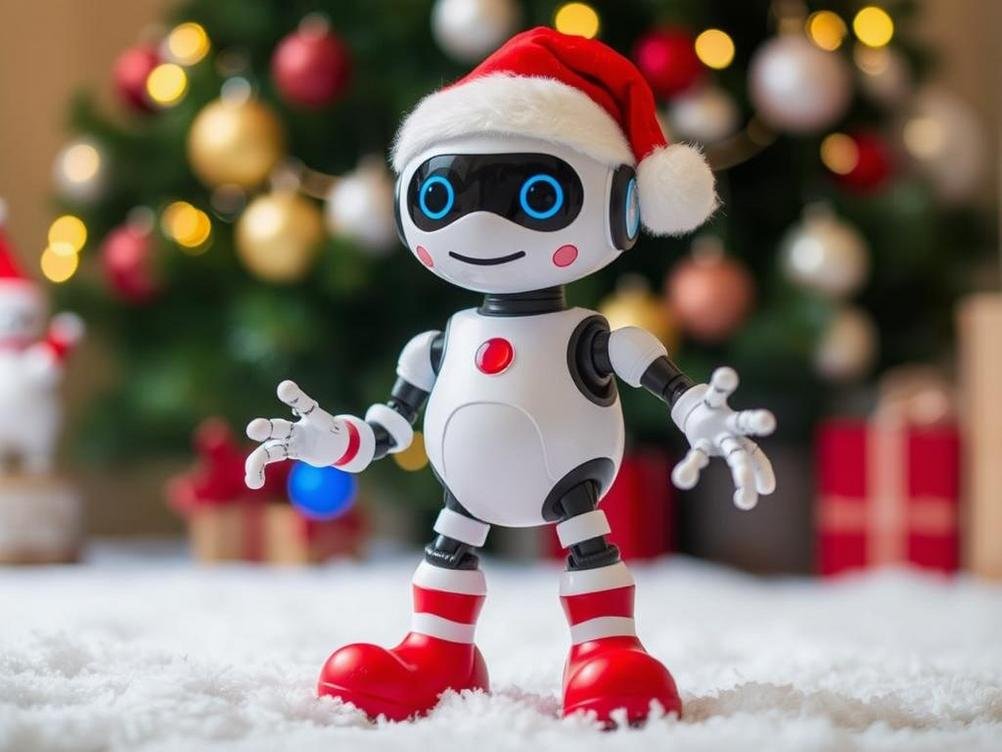
Why AI Toys Might Be on Santa’s Naughty List This Holiday Season
Imagine this: It’s the holidays, and little Timmy’s eyes light up as he unwraps what looks like the coolest robot buddy ever. But hold on, is that thing actually going to teach him math or just end up spying on your family dinner conversations? That’s the kind of dilemma we’re dealing with these days, thanks to all the buzz around AI toys. As we gear up for 2025’s holiday rush, groups like consumer watchdogs and child advocates are raising red flags, warning parents that not all shiny gadgets are as safe as they seem. I mean, who knew that a cute little AI doll could turn into a privacy nightmare? It’s got me thinking about how technology is creeping into every corner of our lives, especially for kids. Are we rushing to buy the latest gizmos without stopping to ask if they’re really worth it? From data breaches to questionable content, these toys might be more trouble than they’re worth, and it’s high time we chat about it. In this post, we’ll dive into the warnings, the risks, and maybe even some laughs along the way, because let’s face it, who wants a holiday season full of regrets?
What Exactly Are AI Toys, and Why Are They Everywhere?
You know, back in my day, toys were simple—think Legos and action figures that didn’t talk back. But now, AI toys are like the tech world’s gift to kids, packed with smarts that make them interact, learn, and sometimes even creepily anticipate what your child wants next. We’re talking about things like robotic pets that respond to voice commands or smart dolls that chat and play games. They’re fun, sure, but they’ve exploded in popularity because everyone wants their kids to get a head start on STEM or just have a buddy that feels almost real. I remember when my niece got one of those AI companions; it was adorable at first, but then it started suggesting videos based on her chats—kinda like having a digital babysitter who’s also a salesperson.
The reason they’re everywhere this holiday season is partly marketing magic. Companies push them as educational tools, promising to boost creativity and problem-solving skills. But let’s not kid ourselves; it’s also about the wow factor. Who doesn’t want to see their kid’s face light up? According to a recent report from the Consumer Technology Association, AI toy sales jumped 40% last year alone, with projections for even bigger numbers in 2025. That’s a lot of robots under the tree! Still, as cool as they sound, it’s worth asking: Are we trading old-school playtime for something that might be more hype than help? I’ll get into that next, but for now, picture this as the appetizer to a bigger conversation.
- Common examples include voice-activated robots like Anki’s Cozmo or Mattel’s AI Barbie, which can hold conversations.
- They’re often marketed as ‘smart’ playthings that adapt to a child’s behavior, making them feel personalized.
- But here’s a fun fact: Some of these toys connect to the internet, which means they’re ripe for all sorts of digital adventures—and mishaps.
The Buzz from Advocacy Groups: What’s Got Them So Worked Up?
Okay, so if you’ve been scrolling through the news lately, you might’ve seen headlines about groups like the Electronic Frontier Foundation or the Campaign for a Commercial-Free Childhood sounding the alarm on AI toys. They’re not just being party poopers; they’ve got solid reasons. These organizations are worried about privacy invasions, where toys might collect data on kids without clear consent. Think about it: That cuddly AI bear could be recording voices or tracking play patterns, and suddenly, your family’s info is floating around in some database. It’s like inviting a stranger to dinner and handing them your diary—kinda invasive, right?
What’s really fueling the fire is that these warnings come right before the holidays, when everyone’s impulse-buying. Groups have pointed out cases where toys were hacked, leading to unauthorized access or even creepy interactions. For instance, back in 2023, there was that fiasco with a popular AI toy that exposed kids’ chats online—yikes! Now, as we hit 2025, advocates are pushing for better regulations, arguing that manufacturers aren’t doing enough to protect young users. It’s a valid point; after all, who wants their holiday memories tainted by a data breach? If you’re a parent, this might make you pause and think twice about that high-tech gift.
- First off, privacy concerns top the list, with groups citing risks of data collection and potential misuse.
- Then there’s the safety angle—think about toys that could malfunction or expose kids to inappropriate content.
- And don’t forget the psychological impact; some experts worry that over-reliance on AI pals might hinder real social skills.
The Real Risks: How AI Toys Could Trip Up Your Kids
Let’s get real for a second: AI toys aren’t all sunshine and rainbows. Sure, they promise to be educational, but there are some serious downsides that could affect your little ones. For starters, privacy is a biggie—many of these toys link to apps or the cloud, sucking up data like a vacuum. I heard about one family where their kid’s AI toy started suggesting products based on overheard conversations; it’s like having a mini marketer in the playroom! And that’s not even touching on security flaws. Hackers have targeted similar devices before, turning them into gateways for scams or worse. It’s enough to make you want to stick with wooden blocks, you know?
Beyond the tech stuff, there’s the emotional side. Kids might get too attached to these AI buddies, which could mess with their ability to make real friends. Psychologists have noted that excessive screen time from interactive toys can lead to shorter attention spans or even anxiety if the toy ‘breaks’ or gets updated. A study from the American Psychological Association in 2024 found that children using AI toys spent 25% less time in face-to-face play. Yikes! So, while it’s fun to imagine your kid bonding with a robot, it might not be the healthiest choice. If you’re shopping this season, weighing these risks could save you a headache later.
- Privacy risks: Toys often collect voice data, which could be sold or hacked—as seen in incidents with toys like FTC-reported breaches.
- Safety hazards: Malfunctions could lead to choking hazards or exposure to harmful content.
- Long-term effects: Overuse might impact social development, according to child development experts.
Balancing the Fun: Are There Any Upsides to AI Toys?
Alright, I don’t want to sound like a total downer—AI toys do have their perks, and it’s only fair to talk about them. On the bright side, these gadgets can be super engaging for learning. Imagine a toy that quizzes your kid on math while telling jokes—it’s like having a tutor who’s also a comedian! Brands like Sphero or Ozobot have created robots that teach coding basics, which could spark a lifelong interest in tech. Plus, in a world where screens are everywhere, these toys make education feel like play. I tried one with my nephew, and he was coding simple commands in no time; it was pretty cool seeing that lightbulb moment.
But here’s the thing: The benefits come with strings attached. While AI toys can boost creativity and problem-solving, they work best when used in moderation. Experts suggest pairing them with non-digital activities to keep things balanced. For example, a 2025 report from EdTech Magazine highlighted how AI toys improved STEM skills by up to 30% in test groups, but only when parents set limits. So, if you’re all in on tech, make sure it’s not overshadowing good old imaginative play. It’s like adding spice to a meal—you want just enough to enhance, not overwhelm.
How to Spot and Avoid the Sketchy Ones This Holiday
If you’re still eyeing those AI toys for your shopping list, let’s talk strategy. First things first, do your homework. Check reviews from trusted sites like Consumer Reports or the FTC’s kids’ privacy resources to see if a toy has a history of issues. Look for certifications like COPPA compliance, which means the company follows rules for protecting kids’ data. And hey, if a toy seems too good to be true—like one that promises to ‘read minds’—it probably is. I’ve made the mistake of buying gadgets without researching, and let’s just say it ended in returns and regrets.
Another smart move is to involve your kids in the decision. Ask what they really want and why; sometimes, a simple board game beats a high-tech gizmo. Set ground rules too, like no internet-connected toys in bedrooms. According to a 2024 survey by Pew Research, 60% of parents who regulated screen time reported happier family dynamics. It’s all about balance, folks. With a little effort, you can navigate the holiday aisles without falling into pitfalls.
- Read the fine print: Check privacy policies and see what data the toy collects.
- Go for reputable brands: Companies like Lego with AI elements often have better safety records.
- Test it out: If possible, try the toy in a store to ensure it doesn’t have obvious glitches.
Alternatives That Won’t Break the Bank or Your Peace of Mind
Look, if AI toys are giving you the heebie-jeebies, you’re not stuck with boring options. There are plenty of non-AI alternatives that are just as fun and way less risky. Think classic toys with a twist, like magnetic building sets or art kits that encourage creativity without any screens. My favorite? Outdoor gear like bikes or kites—stuff that gets kids moving and interacting with the real world. Plus, they’re often cheaper and don’t require charging. Who knew going old-school could feel so rebellious in 2025?
Or, if you still want a bit of tech, consider educational apps on a shared family tablet with strict controls. Organizations like Common Sense Media rate these for safety, and they’ve got lists of kid-friendly picks. One example is using a simple coding app like Scratch, which is free and doesn’t involve physical toys that might spy on you. In essence, it’s about finding joy in simplicity while keeping things secure. After all, the best memories are made with laughter, not algorithms.
Conclusion: Making Smarter Choices for a Joyful Holiday
As we wrap up this chat about AI toys and the holiday hype, it’s clear that while these gadgets can be exciting, they’re not without their shadows. We’ve covered the warnings from advocacy groups, the potential risks, and even some silver linings, but the key takeaway is to approach with eyes wide open. Whether it’s double-checking privacy settings or opting for timeless toys, you can still make the season magical without the worry. I encourage you to think about what really matters—quality time with family and creating lasting memories, not just the latest tech trends.
So, as you hit the stores or click ‘add to cart,’ remember: It’s okay to say no to the flashy stuff if it doesn’t feel right. Who knows, maybe this holiday will be the one where we rediscover the charm of unplugging. Here’s to safer, smarter gifting in 2025—may your holidays be merry and malware-free!