dailytech.ai
Is AI on the Verge of a Breakthrough or Just Hot Air? Nvidia’s CEO Weighs In
Picture this: You’re at a party, and everyone’s buzzing about this wild new tech that’s supposedly going to change everything. That’s pretty much where we are with AI right now. Nvidia’s CEO, Jensen Huang, is basically the life of the party, hyping up AI as this massive tipping point that’s about to flip the script on how we live and work. But then you’ve got the skeptics in the corner, nursing their drinks and muttering about bubbles ready to burst. It’s like that friend who swears crypto is the future versus the one who’s seen one too many market crashes. As someone who’s followed AI for years, I can’t help but wonder: Is this the real deal, or are we just caught in the hype machine? Let’s dive in, because AI isn’t just about fancy algorithms; it’s reshaping jobs, economies, and maybe even our daily lives in ways we haven’t fully grasped yet. Think about it – from self-driving cars to AI chatbots that feel almost human, we’re teetering on the edge of something big. But with great power comes great responsibility, right? Or in this case, great risks. In this article, we’ll unpack what Nvidia’s bigwig is saying, why the doubters are raising eyebrows, and what it all means for you and me. By the end, you might just rethink how you view that AI-powered assistant on your phone. Stick around, because we’re about to explore the wild ride that is AI’s future.
What Nvidia’s CEO is Saying About AI
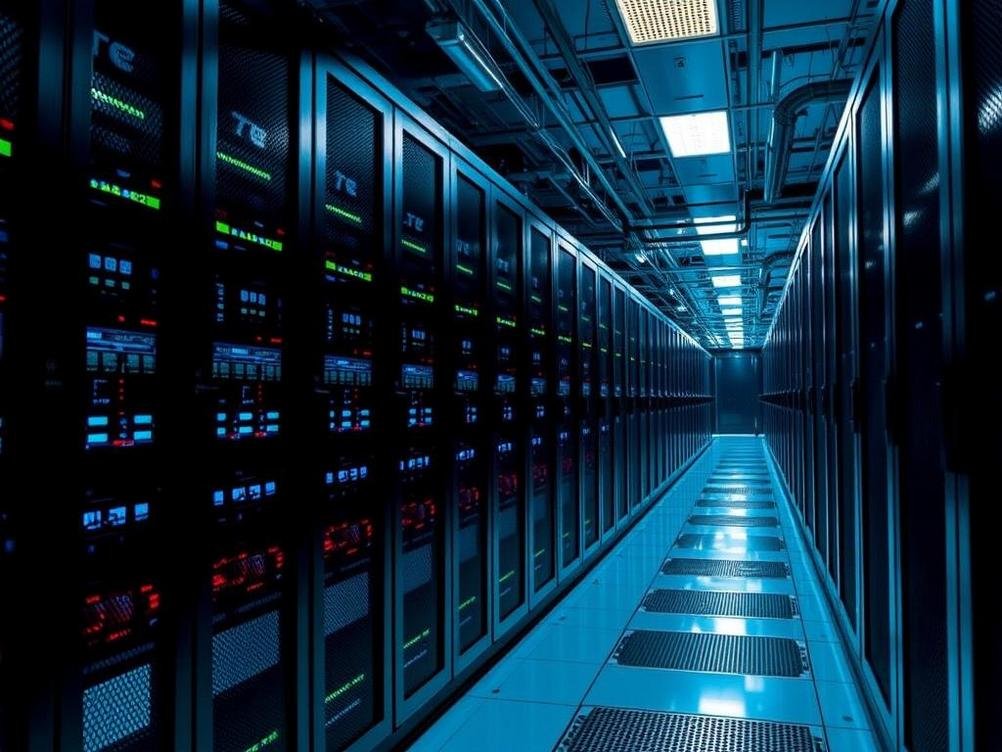
Jensen Huang, the mastermind behind Nvidia, isn’t one to mince words. He’s been going on about how AI is at this critical tipping point, where it’s not just a neat trick anymore but a full-on transformation. Imagine AI as that awkward kid in school who suddenly hits a growth spurt and becomes the star athlete – that’s Huang’s vision. He points to things like accelerated computing and massive data centers as the fuel powering this revolution. It’s exciting stuff, really. According to him, AI could supercharge everything from healthcare diagnostics to creating virtual worlds that feel more real than reality itself.
But let’s not gloss over the specifics. Huang often talks about how Nvidia’s GPUs are at the heart of this, handling the insane amounts of data AI needs to learn and evolve. In a recent interview, he mentioned that we’re on the cusp of AI solving problems we thought were impossible, like predicting climate patterns or personalizing education for every student. It’s like AI is the ultimate Swiss Army knife, ready to tackle anything. However, he’s not blind to the challenges; he acknowledges that without the right infrastructure, this dream could fizzle out. If you’re into tech stocks, Nvidia’s stock has skyrocketed based on this optimism – it’s up over 3000% in the last five years, which is wild if you think about it. But is that sustainable? We’ll get to that.
To break it down, here’s a quick list of Huang’s key points on AI’s potential:
- AI as a multiplier for human creativity, not a replacement.
- The need for ethical guidelines to prevent misuse.
- Investments in hardware like Nvidia’s chips to make AI accessible.
The Skeptics’ Side: Why AI Might Be a Bubble
Okay, let’s flip the script. Not everyone is buying what Huang is selling. Skeptics out there are like that friend who pokes holes in every plan, and honestly, they might have a point. They argue that AI’s current hype is more bubble than breakthrough, pointing to overvalued companies and unproven tech as red flags. Remember the dot-com bust? Yeah, this feels a bit like that. Folks like economists and tech critics are tallying up the risks, from massive energy consumption to job losses that could leave millions in the dust. It’s enough to make you pause and think, is all this AI fever just a house built on sand?
Take, for instance, the way AI models like ChatGPT gobble up electricity – we’re talking enough to power a small town for a day just to train one. Critics say that’s not sustainable, especially with climate change breathing down our necks. And let’s not forget the ethical quagmires, like bias in AI decisions that could affect hiring or lending. One study from the AI Now Institute showed that facial recognition tech has error rates as high as 35% for people of color, which is pretty alarming. So, while Huang sees transformation, skeptics see a potential crash landing if we don’t address these issues head-on.
If you’re weighing investments, consider this list of common skeptic concerns:
- Overspeculation in AI stocks, leading to inevitable corrections.
- The risk of AI amplifying inequalities rather than fixing them.
- Dependency on big tech, which could stifle innovation from smaller players.
Real-World Examples of AI Transformation
Alright, enough doom and gloom – let’s talk about the wins. AI isn’t all hype; it’s already making waves in the real world. Take healthcare, for example. Nvidia’s tech is helping doctors use AI to spot diseases early, like cancer detection through image analysis. It’s like having a super-smart sidekick that never sleeps. I remember reading about a hospital in California that cut diagnosis times by half using AI, which is a game-changer for patients. Huang would probably high-five that, seeing it as proof of AI’s tipping point.
Then there’s entertainment – AI is cranking out scripts, music, and even deepfake videos that blur the lines between human and machine creativity. Netflix uses AI to recommend shows, and it’s nailed it so well that you’ve probably binge-watched something based on its suggestions. But here’s the fun part: it’s not perfect. Sometimes AI recommends the weirdest stuff, like suggesting a documentary on quantum physics after you finish a rom-com. That’s AI’s quirky personality shining through. These examples show how AI is transforming industries, but they also highlight the need for human oversight to keep things balanced.
To illustrate, here’s how AI is impacting everyday life:
- In education, tools like Duolingo use AI for personalized learning, making language apps more engaging than ever.
- In finance, algorithms from companies like BlackRock help manage risks in investments.
- Even in agriculture, AI drones are scouting crops to optimize yields, which could feed more people with less waste.
The Risks Involved in AI Investment
Investing in AI sounds sexy, but let’s get real – it’s not without its pitfalls. Huang might be optimistic, but if you’re putting money into this, you need to know the downsides. For starters, regulatory hurdles are popping up everywhere. Governments are scrutinizing AI like it’s a suspicious package, with new laws in the EU aiming to curb misuse. It’s like trying to ride a bull in a china shop; one wrong move and everything shatters. Plus, the tech evolves so fast that what seems cutting-edge today could be obsolete tomorrow, leaving investors high and dry.
Another angle is the environmental toll. Training AI models requires massive data centers that guzzle energy – we’re talking emissions rivaling those of a small country. A report from the International Energy Agency estimates that by 2025, data centers could consume up to 20% of global electricity. That’s not just bad for the planet; it’s a financial risk if energy costs skyrocket. Skeptics use this to argue that the AI bubble might burst under its own weight, and honestly, it’s a fair point. If you’re an investor, diversify, folks – don’t put all your eggs in the AI basket.
Key risks to watch for include:
- Cybersecurity threats, as AI systems become prime targets for hackers.
- Market volatility, with AI stocks swinging like a pendulum based on hype cycles.
- Intellectual property battles, as companies fight over who owns what in AI development.
How AI is Changing Industries – For Better or Worse
AI isn’t just a tech thing; it’s infiltrating every corner of our world. In manufacturing, robots powered by AI are doing jobs faster and safer than humans ever could. Think of it as upgrading from a horse-drawn carriage to a Tesla – exciting, but also a bit disorienting. Huang sees this as progress, but critics worry about the job losses. According to the World Economic Forum, AI could displace 85 million jobs by 2025, though it might create 97 million new ones. It’s a net gain, sure, but that transition period? Ouch.
Over in marketing, AI tools are analyzing consumer data to predict trends, making ads feel eerily personal. Ever get a targeted ad that makes you think, “How did they know?” Yeah, that’s AI at work. Tools from companies like Google Ads use it to optimize campaigns, but it raises privacy concerns. It’s like having a mind reader in your pocket – convenient, but creepy. The point is, AI’s changing industries in profound ways, and we need to navigate it with eyes wide open.
My Take: Balancing Optimism and Caution
Look, I’m all for Huang’s enthusiasm, but I’m not ready to jump on the bandwagon without a safety net. AI has incredible potential, like curing diseases or making renewable energy more efficient, but we can’t ignore the risks. It’s like that thrill of skydiving – exhilarating if you prepare, disastrous if you don’t. From my perspective, the key is fostering innovation while building safeguards, such as diverse teams to reduce biases and global regulations to prevent misuse.
Personally, I’ve seen AI tools help with my writing, suggesting ideas that spark creativity. But they’ve also spit out some hilariously wrong suggestions, reminding me that machines aren’t quite human yet. So, let’s mix Huang’s vision with the skeptics’ realism for a balanced approach. After all, who wants a future that’s all flash and no substance?
Conclusion
Wrapping this up, AI’s journey from tipping point to potential bubble is a rollercoaster we’re all on. Nvidia’s CEO paints a bright picture of transformation, while skeptics remind us to count the risks and keep our feet on the ground. Whether it’s revolutionizing healthcare or sparking ethical debates, AI’s impact is undeniable. But as we move forward, let’s approach it with a mix of excitement and prudence – after all, the future isn’t written in code; it’s shaped by how we use it. So, what’s your next move? Dive into AI learning, or hold back and watch? Either way, staying informed is your best bet in this ever-evolving tech landscape.