
Is AI About to Crash Poland’s Wild $1 Trillion Party? Here’s the Scoop
Is AI About to Crash Poland’s Wild $1 Trillion Party? Here’s the Scoop
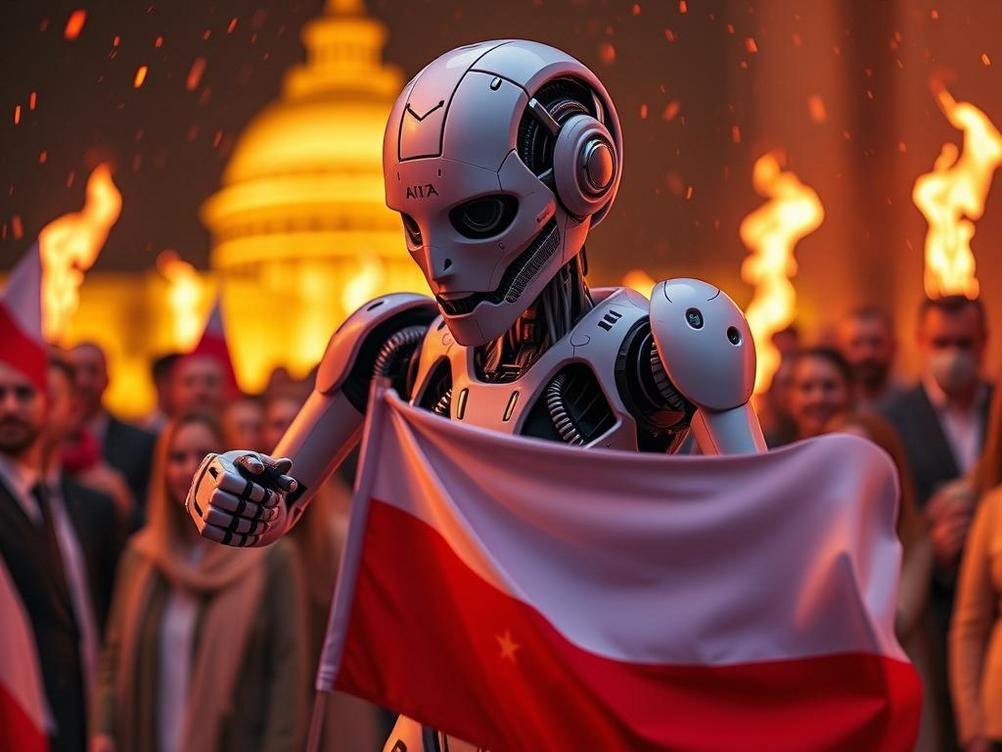
Picture this: You’re at the hottest party in town, Poland’s economy is finally hitting that $1 trillion jackpot after years of grit and hustle, and everyone’s toasting to growth, innovation, and a whole lot of pierogi. But wait, who’s that shadowy figure lurking in the corner? It’s AI, the uninvited guest who’s got a knack for turning celebrations into chaos. We’ve all heard the buzz about how artificial intelligence is flipping industries upside down, and now it’s eyeing Poland’s economic boom like a kid in a candy store. Is this the end of the good times, or just a rough patch we can navigate? As someone who’s geeked out on tech trends for years, I can’t help but chuckle at how AI is playing the villain in this story—it reminds me of that friend who shows up late and steals the spotlight. In this article, we’re diving deep into how AI might be throwing a wrench into Poland’s plans, from job losses to innovation woes, while also exploring if there’s a silver lining. We’ll chat about real-world examples, weigh the pros and cons, and figure out what Poland can do to keep the party going. By the end, you might just see AI not as a threat, but as that awkward buddy who could actually make things better if we play our cards right. So, grab a coffee, settle in, and let’s unpack this mess—because if there’s one thing I’ve learned, it’s that technology doesn’t have to spoil the fun; it just needs a good talking-to.
Poland’s Economic Boom: The Backstory That Feels Like a Blockbuster
You know how some countries seem to have all the luck? Poland’s been on this epic roll for the past decade or so, climbing from post-Soviet struggles to a projected $1 trillion economy by the mid-2020s. It’s like watching an underdog story unfold—think Rocky, but with more EU funds and less boxing gloves. Factors like EU membership, a skilled workforce, and smart investments in manufacturing and tech have turned Poland into a hotspot for foreign cash. As of 2025, we’re talking about GDP growth that’s outpacing a lot of Europe, with exports in cars, machinery, and even food products booming. But here’s the funny part: it’s not all high-fives and champagne. Beneath the surface, there are cracks, like income inequality and reliance on certain industries, that could make this party a bit wobbly.
What’s driving this? Well, Poland’s got this mix of low costs and high talent, attracting giants like Volkswagen and Google to set up shop. I’ve read reports from sources like the World Bank that show how FDI (that’s foreign direct investment for the non-geeks) has skyrocketed, hitting over $20 billion in recent years. It’s impressive, but it’s also a reminder that economies don’t grow in a vacuum—they’re built on people, policies, and a bit of luck. If you’re a business owner in Warsaw, you’re probably riding high, but spare a thought for the small towns where jobs might not be as plentiful. And that’s where AI sneaks in, like that plot twist you didn’t see coming in your favorite Netflix series.
To break it down, let’s list out the key pillars of Poland’s growth:
- Robust manufacturing sector, accounting for about 20% of GDP, with companies churning out everything from electronics to autos.
- Tech-savvy youth—Poland’s got one of the highest rates of STEM graduates in Europe, which is both a blessing and a potential target for AI disruption.
- EU support, including billions in grants for infrastructure, which has modernized everything from roads to digital services. For more on this, check out the European Commission’s Poland page.
AI as the Party Crasher: How It’s Sneaking in to Ruin the Fun
Okay, let’s get real—AI isn’t exactly the bad guy in a superhero movie, but it sure feels like it when it’s eyeing jobs and efficiency in Poland. Imagine AI as that overzealous DJ who turns up the volume too loud, drowning out the conversation. In Poland’s case, AI’s rapid advancements in automation and data analysis are threatening sectors like manufacturing and services, where a big chunk of the workforce hangs out. We’re talking about robots taking over assembly lines or algorithms handling customer service, which could leave thousands of workers wondering if their skills are about to go the way of the dinosaur. It’s not just hype; studies from places like Oxford University suggest that up to 40% of jobs in emerging economies could be automated in the next decade, and Poland’s no exception.
What’s making this worse is Poland’s dependence on industries that AI loves to disrupt. Take manufacturing, for instance—it’s the backbone of the economy, but with AI-driven robots getting cheaper and smarter, companies might cut human staff to save costs. I remember chatting with a friend in Krakow who’s in logistics; he said his company is already piloting AI for inventory management, and it’s efficient, but it’s also making him nervous about his team’s future. The humor in this? AI promises to make life easier, but it’s like inviting a robot to do your chores and then realizing it’s taken over the whole house. According to a report from McKinsey, automation could affect around 20-30% of Polish jobs by 2030, hitting lower-skilled roles hardest.
To put it in perspective, here’s a quick rundown of AI’s potential impacts:
- Job displacement in routine tasks, like warehouse work or data entry, where AI can step in without breaking a sweat.
- Increased efficiency for businesses, but at what cost? Think faster production lines that might sideline human expertise.
- Economic ripple effects, such as reduced consumer spending if unemployment rises—yep, it’s a domino effect. For deeper insights, dive into the McKinsey Poland report.
Real-World Examples: AI’s Mischief in Poland’s Backyard
If you’re skeptical, let’s talk specifics—AI isn’t just a abstract threat; it’s already messing with Poland’s vibe. Take the automotive industry, a star player in the economy. Companies like Fiat and Volkswagen have plants in Poland, and they’re rolling out AI for quality control and predictive maintenance. Sounds great, right? But it’s leading to layoffs, with some factories reporting a 10-15% reduction in workforce as bots take over repetitive tasks. I heard from a buddy in the industry that one plant near Poznan replaced half its inspection team with AI cameras, and while production’s up, morale’s in the toilet.
Then there’s the services sector, where AI chatbots are handling customer inquiries for banks and retailers. In Warsaw, major banks like PKO Bank Polski are using AI for fraud detection and personalized banking, which is cool for customers but means fewer jobs for call center folks. It’s like AI is the new intern who’s way too good at their job. Stats from the Polish Ministry of Digital Affairs show that AI adoption grew by 25% in 2024 alone, mostly in finance and logistics. And don’t forget agriculture—drones and AI analytics are optimizing farms, potentially cutting jobs for traditional farmers. It’s a mixed bag, really; progress with a side of pain.
For a clearer picture, consider these examples:
- Polish e-commerce giants like Allegro using AI for recommendations, which boosts sales but reduces the need for human marketers.
- Healthcare innovations, where AI tools are diagnosing diseases faster than doctors—check out WHO’s AI in health resources for more.
- Manufacturing hubs in Silesia, where AI robots are assembling parts, leading to skill gaps for workers who haven’t retrained.
The Good, the Bad, and the AI: Weighing the Pros and Cons
Alright, let’s not paint AI as the total villain—it’s got its perks, even if it’s crashing the party. On the flip side, AI could supercharge Poland’s economy by making things more efficient and innovative. Imagine AI helping with climate tech or healthcare, creating new jobs in coding and data science. For Poland, that’s a chance to leapfrog into high-tech industries. But, oh boy, the downsides are glaring. Widespread automation could widen inequality, leaving behind those without the skills to adapt. It’s like trying to dance with two left feet—exciting if you get it right, but messy otherwise.
From what I’ve seen, the benefits include boosted productivity; a study by the European Commission estimates AI could add 13% to EU GDP by 2030, with Poland cashing in big. But the cons? Social unrest from job losses, ethical issues like data privacy, and even cybersecurity risks. I mean, who wants hackers messing with AI systems? It’s a double-edged sword, and Poland’s got to handle it carefully. Rhetorical question: Can we enjoy the cake without getting frosting on our faces?
Breaking it down simply:
- Pros: New opportunities in AI research, potentially creating 100,000+ jobs in tech by 2030, according to Polish government projections.
- Cons: Risk of economic disparity, with rural areas lagging behind urban centers.
- Balancing act: Policies that encourage AI while protecting workers, like those discussed in EU AI policies.
What Poland Can Do: Turning Threats into Tequila Shots
So, how does Poland keep the party going without AI killing the vibe? It’s all about strategy, my friends. Governments and businesses need to invest in education and retraining programs to get people AI-ready. Think of it as upgrading your playlist before the DJ takes over—proactive and fun. Poland’s already got initiatives like the Digital Poland program, which aims to skill up the workforce in AI and tech. If they double down on that, maybe turning vocational training into something as accessible as a Netflix binge, they could mitigate the risks.
Another angle? Regulations to ensure AI doesn’t run wild. Enforcing ethical guidelines, like the EU’s AI Act, could prevent misuse while encouraging innovation. I love the idea of public-private partnerships, where companies collaborate with universities to create AI hubs. It’s not just about dodging bullets; it’s about turning them into opportunities. For instance, if Poland focuses on AI in green energy, they could lead in sustainable tech, creating jobs that didn’t exist before.
Here’s a quick action plan:
- Boost education: Partner with platforms like Coursera for free AI courses—check out their AI offerings.
- Policy tweaks: Implement job transition programs to support affected workers.
- Foster innovation: Encourage startups through grants, turning threats into thriving businesses.
Looking Ahead: AI’s Crystal Ball for Poland’s Future
Fast-forward a few years, and AI’s role in Poland could be a game-changer or a cautionary tale. By 2030, if Poland plays its cards right, AI might be the secret sauce that propels them to even greater heights, like becoming a European tech leader. But if left unchecked, it could deepen divides and slow growth. It’s like betting on a horse race—exciting, but you need to know when to hedge your bets. Experts predict that with the right investments, AI could add billions to the economy, but only if there’s a focus on inclusive growth.
What’s on the horizon? More integration in everyday life, from smart cities to personalized services. Poland’s young population is a huge asset here—they’re digital natives who could drive this forward. Still, we need to watch for global trends, like how China’s AI dominance affects trade. It’s a wild ride, and keeping an eye on reports from the OECD will help Poland stay ahead.
In essence, the future’s bright if we adapt:
- Emerging trends like AI in renewable energy could make Poland a green powerhouse.
- Potential pitfalls: Over-reliance on AI might expose vulnerabilities in supply chains.
- Global context: Lessons from countries like Estonia, which has aced digital transformation—see e-Estonia for inspiration.
Conclusion: Wrapping Up the AI Economic Tango
As we wrap this up, it’s clear that AI isn’t here to spoil Poland’s party—it’s more like that energetic cousin who shakes things up but could become your best ally. We’ve seen how it threatens jobs and stability, but with smart moves like education and policy, Poland can turn this into a win. Remember, economies evolve, and AI is just the latest plot twist in a long story of innovation. So, let’s raise a glass to adaptability and forward-thinking—because in the end, it’s not about fighting the future; it’s about dancing with it. If you’re in Poland or just curious, start exploring how AI fits into your world; who knows, you might just find it’s not so threatening after all.
