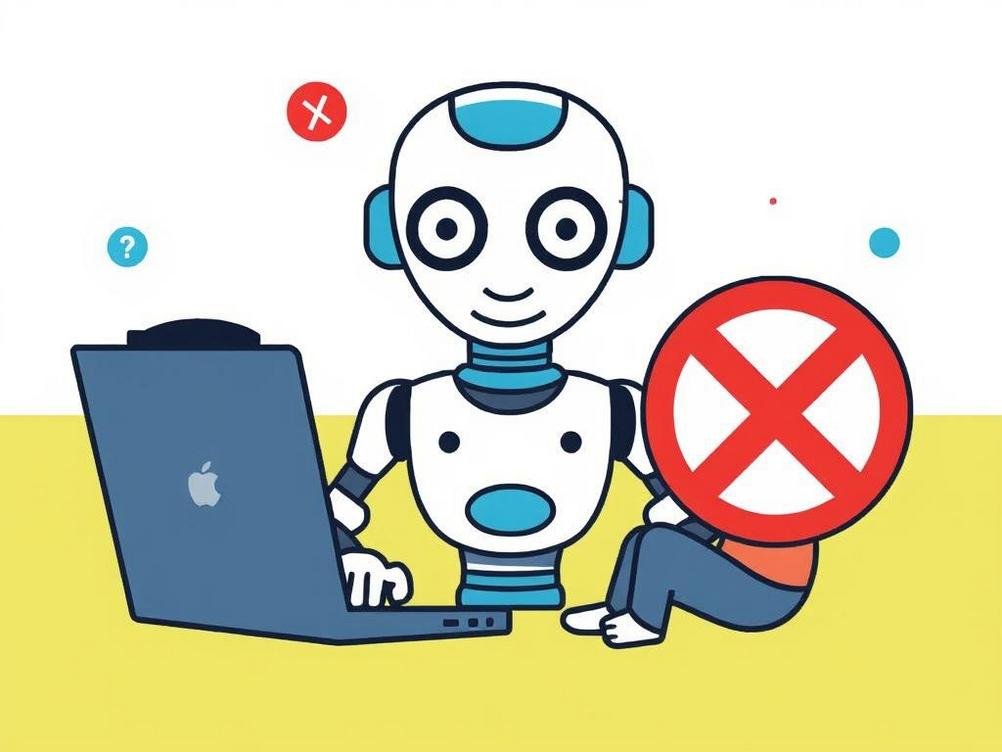
The Dos and Don’ts of Using AI for Schoolwork: A Student’s Best Friend Without the Backstab
The Dos and Don’ts of Using AI for Schoolwork: A Student’s Best Friend Without the Backstab
Picture this: You’re knee-deep in a history paper at 2 a.m., staring at your screen like it’s some ancient artifact you can’t decipher. Then, bam, you remember that AI tool you heard about—it’s like having a caffeinated study buddy who’s always got your back. But hold up, is it really that simple? In today’s world, AI is everywhere, from helping you brainstorm essay ideas to double-checking your math problems, yet it’s got this sneaky way of tripping you up if you’re not careful. We’re talking about the do’s and don’ts of using AI for schoolwork, because let’s face it, we all want to ace that next test without turning into a robot ourselves.
Now, I’m no stranger to the chaos of student life—back in my day, I juggled late-night cramming and questionable energy drinks, wishing for something like ChatGPT to lend a hand. But here’s the thing: AI can be a total game-changer, making learning faster and more fun, or it can backfire spectacularly if you rely on it too much. Think of it as that friend who’s great at giving advice but might accidentally spill your secrets. In this article, we’ll dive into the smart ways to use AI without crossing the line, sharing some laughs, real tips, and even a few horror stories from students who’ve been there. By the end, you’ll know how to harness AI’s power to boost your grades while keeping your integrity intact. So, grab a snack and let’s get into it—who knows, you might just save yourself from that next all-nighter.
Why AI is Shaking Up the Classroom
You know how teachers always say learning is evolving? Well, AI is like the cool kid who’s just crashed the party and changed everything. Back in 2023, when ChatGPT first blew up, schools were scrambling to figure out how to handle it, and now, by 2025, it’s integrated into everything from online tutors to personalized study apps. According to a recent report from edtech experts, over 60% of students are using AI tools for homework, and it’s not just for lazy folks—it’s helping folks like you grasp tough concepts quicker. Imagine AI as your personal Wikipedia on steroids, but way smarter and less likely to lead you down a rabbit hole of cat videos.
But let’s not get too starry-eyed; there are downsides. If you’re not using AI the right way, it can make you feel like you’re cheating yourself out of real learning. I’ve heard stories from friends who plugged in a whole essay prompt and ended up with generic fluff that bombed their grade because it lacked that personal touch. The key is balance—AI should be your sidekick, not the hero of your story. Think about it: Would you let a GPS drive the car for you? Nah, you’d still steer. In the next sections, we’ll break down how to make AI work for you without turning your brain to mush.
One thing’s for sure, with AI tools like Google’s Bard or Microsoft’s Copilot, you’re getting access to info that was once locked behind dusty library books. It’s exciting, but remember, the goal is to enhance your skills, not replace them. If you’re curious, check out Google’s Bard for a taste of how it can spark ideas for your projects.
The Dos: Making AI Your Homework Hero
Alright, let’s talk about what you should do with AI—because let’s be real, it’s here to help, not hinder. First off, use AI for brainstorming. Say you’re stuck on a science project; tools like Grok or ChatGPT can throw out ideas that get your creative juices flowing. I once used it to outline a biology essay, and boom, I had a solid structure in minutes. The trick is to treat it like a conversation—ask questions, refine your prompts, and then add your own flair. It’s like having a chat with a know-it-all friend who’s always up for a late-night session.
Another big do: Double-check facts and learn from it. AI isn’t perfect; it can spit out errors faster than you can say “wait, is that right?” So, always verify with reliable sources. For instance, if you’re using AI to study history, cross-reference with sites like Britannica. Oh, and don’t forget to use it for language practice—apps like Duolingo with AI features can make learning a new language feel less like a chore and more like a fun game. Here’s a quick list to keep you on track:
- Use AI for initial research to save time, but dig deeper on your own.
- Ask it to explain concepts in simple terms, like “Break down quantum physics like I’m five.”
- Track your progress by journaling how AI helped—it’s a great way to reflect and improve.
In short, when you use AI smartly, it’s like upgrading from a rusty bike to a sleek electric scooter—faster, easier, and way more efficient. Just remember, the effort you put in makes all the difference.
The Don’ts: Steering Clear of AI Pitfalls
Now, for the fun part—the don’ts, because nobody wants to be that kid who gets caught red-handed. First off, don’t copy and paste AI-generated content as your own. Seriously, it’s like trying to pass off a store-bought cake as your grandma’s secret recipe—teachers can smell it a mile away. I knew a guy who submitted an AI-written essay verbatim, and let’s just say his grade plummeted faster than a bad meme. The problem? It lacked originality, and detectors like Turnitin flagged it instantly.
Another big no-no: Relying on AI for everything. If you let it do all your thinking, you’re basically outsourcing your brain, and that’s a one-way ticket to forgetting how to problem-solve on your own. Stats from a 2024 education survey show that students who over-rely on AI score 20% lower on critical thinking tests. Ouch. And whatever you do, don’t feed it biased prompts—garbage in, garbage out, as they say. For example, if you’re asking about historical events, make sure you’re not skewing the results with loaded questions. Here’s a list of traps to avoid:
- Avoid submitting unedited AI output—always rewrite and add your perspective.
- Don’t use AI for tests or exams; that’s just asking for trouble and possible suspensions.
- Steer clear of shady AI tools that promise “guaranteed A” results—they’re often riddled with inaccuracies.
At the end of the day, ignoring these don’ts is like walking a tightrope without a net; one slip, and you’re in hot water. Keep it ethical, and you’ll be golden.
Real-World Examples: Stories from the AI Trenches
Let’s make this real—I’ve got some stories that’ll make you chuckle and maybe even rethink your AI strategy. Take Sarah, a high schooler I know, who used AI to prep for her physics final. She fed it practice problems, got explanations, and aced the test. But here’s the twist: She didn’t stop there; she practiced on her own, turning AI’s help into actual knowledge. It’s like using a calculator for math homework but still understanding the formulas underneath.
On the flip side, there’s Mike, who thought AI could write his English paper for him. Spoiler: It didn’t go well. The AI churned out a bland essay full of generic phrases, and his teacher called it out immediately. Moral of the story? AI is great for inspiration, like when you’re outlining a story or researching a topic, but it can’t capture your unique voice. In fact, a study from Stanford in 2025 found that students who blended AI with their own ideas improved their writing scores by 15% more than those who went solo or over-relied on tech.
Another example: Using AI for group projects. Apps like Trello with AI integration can organize tasks brilliantly, but don’t let it take over the collaboration. Imagine it as the group’s secretary, not the boss. These tales show that when used right, AI’s like a trusty sidekick in a superhero movie—reliable, but you still need to be the star.
Balancing AI with Your Brainpower
Here’s where it gets personal: How do you strike that perfect balance between AI and your own smarts? Start by setting limits—like, only use AI for 20% of your work and handle the rest yourself. It’s like dieting; you can have that AI cookie, but don’t make it your whole meal. I remember when I was in college, I’d use tools to generate topic ideas but always rewrote everything to make it mine. That way, you’re building skills while getting a boost.
Plus, think about the long game. AI is evolving fast, with new tools popping up every month, but over-dependence can zap your creativity. A metaphor for you: AI is the wind in your sails, but you’ve got to do the steering. Engage with it critically—question its responses, fact-check, and even debate it in your head. And if you’re into stats, the World Economic Forum predicts that by 2030, AI literacy will be as crucial as reading and writing, so getting this balance right now is a smart move.
- Track your AI usage with a simple journal to see if it’s helping or hindering.
- Practice without AI sometimes to keep your skills sharp, like a mental workout.
- Discuss with classmates how you’re using it—it’s a great way to share tips and avoid common mistakes.
Conclusion: Wrapping It Up with a Bow
So, there you have it—navigating the do’s and don’ts of AI for schoolwork doesn’t have to be a headache. We’ve covered why it’s a total game-changer, the smart ways to use it, the pitfalls to dodge, and even some real stories to learn from. At the end of the day, AI is like that over-enthusiastic lab partner: incredibly helpful when you guide it right, but a disaster if you let it run wild. By following these tips, you’ll not only boost your grades but also grow as a thinker and learner.
Remember, the goal isn’t to replace your hard work with tech—it’s to make learning more enjoyable and effective. So, go ahead, experiment with AI, but keep that human touch. Who knows, with a little balance, you might just become the next AI-savvy scholar. Here’s to acing those assignments and maybe even getting some sleep—now that’s a win-win!