dailytech.ai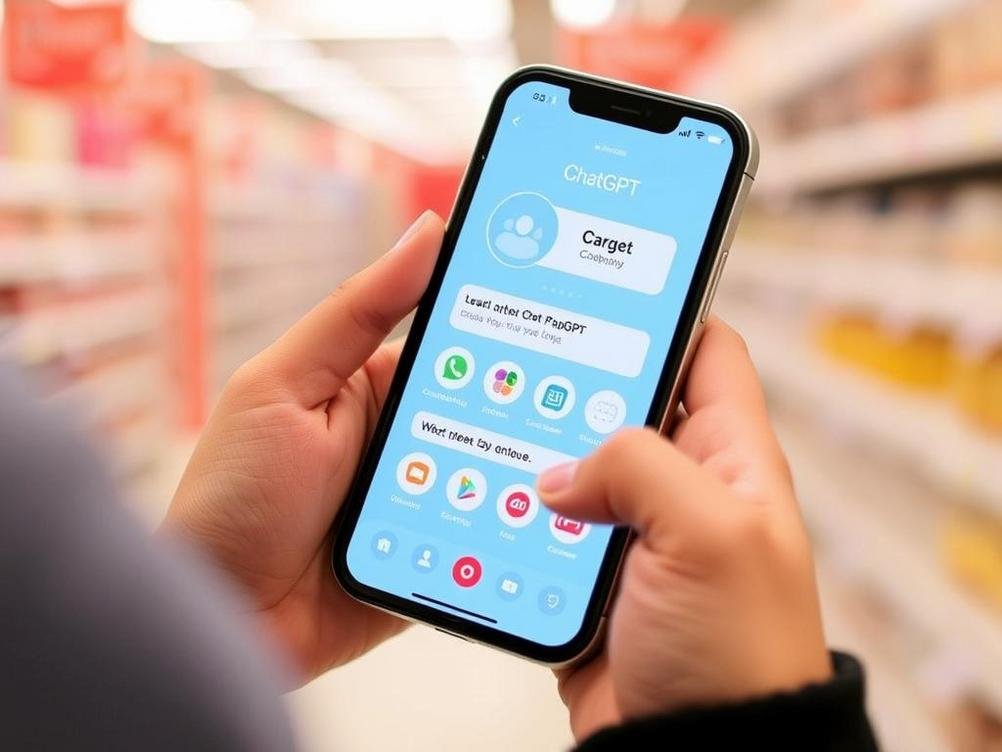
How Target is Teaming Up with ChatGPT to Make Shopping Way Smarter and More Fun
Imagine you’re wandering through a store, staring at a wall of products, and your phone suddenly chimes in with, “Hey, based on what you bought last time, you might love this gadget for your kitchen mess.” Sounds like something out of a sci-fi flick, right? Well, that’s basically what’s happening now with Target jumping on board with ChatGPT for AI-assisted shopping. I mean, who knew that the same AI that’s helping us write emails or brainstorm dinner ideas could now be your personal shopping buddy? Picture this: you’re browsing for holiday gifts, and instead of second-guessing every choice, an AI steps in to suggest stuff that’s spot-on for your tastes. It’s like having a friend who’s always got your back, but way less judgmental about your impulse buys.
Now, let’s talk about why this partnership is such a big deal. Target, that go-to spot for everything from groceries to gadgets, has teamed up with ChatGPT—OpenAI’s chatbot superstar—to crank up the shopping experience. We’re talking personalized recommendations, faster checkouts, and maybe even some fun chats about why you really need that extra pair of sneakers. In a world where online shopping feels like a endless scroll-fest, this could be the game-changer that makes retail feel more human again. But hold on, it’s not just about making your cart fuller; it’s about making shopping smarter, more efficient, and yeah, a little more entertaining. Think about all those times you’ve abandoned a cart because the options were overwhelming—AI could fix that. As someone who’s spent way too many evenings debating between brands, I’m excited to see how this plays out. Will it lead to more sales for Target? Probably. But more importantly, will it make our lives easier? That’s the real question we’re diving into today.
So, buckle up as we unpack this AI-powered shopping revolution. We’ll look at what this partnership means, how it’s shaking up the retail world, and what it could mean for you, the everyday shopper. Oh, and I’ll throw in some laughs along the way because let’s face it, shopping can be a comedy of errors sometimes. By the end, you might just be itching to try out this tech yourself—or at least appreciate how far we’ve come from those clunky old shopping catalogs.
What Exactly is This Target-ChatGPT Team-Up?
You know how sometimes you read a headline and think, ‘Wait, what’s the fuss about?’ Yeah, that’s me with this news. Target, the retail giant we all turn to for last-minute runs or big hauls, has announced they’re partnering with ChatGPT to amp up their AI game in shopping. Basically, it’s about using ChatGPT’s smarts—think natural language processing and predictive tech—to make your shopping trips smoother. Instead of just searching for ‘red dress,’ you could chat with an AI that understands your style, budget, and even your mood. It’s like upgrading from a basic search bar to a conversation with a savvy salesperson who’s read your mind.
From what I’ve gathered, this isn’t just slapping AI on a website; it’s integrating it into the whole ecosystem. Target’s probably using ChatGPT to analyze your past purchases, browse history, and even social media vibes to suggest products. For example, if you’re a fan of sustainable brands, the AI might nudge you toward eco-friendly options without you having to hunt them down. And let’s not forget the humor in this—imagine the AI cracking a joke like, “You’re really going for that third coffee maker? Bold choice!” It adds a fun layer to what can otherwise be a dull process. According to reports from reliable sources like CNBC, this is part of a broader trend where retailers are leveraging AI to stay competitive.
But why now? Well, with e-commerce booming post-pandemic, everyone’s scrambling to make online shopping feel less robotic. ChatGPT brings that human touch—through conversational AI—that could turn a simple transaction into an engaging experience. Think of it as your digital shopping pal, always ready with recommendations or answers to quirky questions like, “What pairs well with this blender for my smoothie obsession?” It’s a step toward making retail more interactive, and honestly, it’s about time.
How AI is Totally Shaking Up the Shopping Scene
Alright, let’s get real—shopping used to be straightforward: you go in, grab what you need, and get out. But now, with AI like ChatGPT in the mix, it’s evolving into something way more dynamic. We’re talking about AI that doesn’t just list products but anticipates your needs. For instance, if you’re shopping for a family event, the AI could suggest coordinated outfits based on your family’s past buys. It’s like having a stylist in your pocket, but without the awkward small talk. This partnership with Target is a prime example of how AI is flipping the script on retail, making it predictive rather than reactive.
One cool aspect is how this tech uses data to personalize everything. Imagine logging into Target’s app and getting recommendations that feel tailor-made, like, “Since you loved that mystery novel last month, how about this thriller series?” It’s all powered by machine learning, which sifts through mountains of data to spot patterns. And here’s a fun fact: according to a Statista report, personalized shopping experiences can boost conversion rates by up to 20%. That’s huge! But let’s not gloss over the humor—AI might recommend something totally off-base, like suggesting snow boots in July, which could lead to a good laugh and a viral social media post.
- First off, faster decision-making: No more endless scrolling; AI narrows it down for you.
- Secondly, better deals: It could highlight discounts based on your shopping history.
- Lastly, improved customer service: Chat with the AI for instant answers, saving you from long wait times on chat support.
The Perks for Shoppers: Why This Could Be a Game-Changer
If you’re like me, you appreciate anything that makes life easier, and this AI-assisted shopping is right up that alley. The main perk? Hyper-personalization. ChatGPT can analyze your preferences and suggest products that actually fit your lifestyle, not just generic best-sellers. For example, if you’re into fitness, it might recommend workout gear that complements what you’ve bought before, complete with reviews and size tips. It’s like having a friend who’s super observant but never forgets your size.
Another bonus is convenience. No more typing out long searches; you can just chat naturally. Say something like, “Help me find a gift for my tech-savvy dad,” and boom, curated options appear. Plus, it could save you money by flagging deals or alternatives. A study from Harvard Business Review shows that personalized AI interactions can increase customer satisfaction by 15-20%. On a lighter note, imagine the AI playfully warning you, “Are you sure about that candy aisle splurge? Your New Year’s resolution might disagree!” It’s a nudge without being naggy.
- Time-saver: Quick recommendations mean less time wasted.
- Budget-friendly: AI can suggest affordable options based on your history.
- Fun factor: Adds an element of surprise and interaction to shopping.
Potential Hiccups: What Could Go Wrong with AI Shopping?
Look, I’m all for this AI hype, but let’s not pretend it’s perfect. One big hiccup could be privacy concerns—after all, sharing your data with an AI means more eyes on your habits. What if ChatGPT’s suggestions feel a bit too spot-on, like it’s reading your diary? Target will have to be transparent about data usage to keep shoppers trusting the system. It’s kind of like dating apps; they work great until you realize how much they know about you.
Then there’s the accuracy issue. AI isn’t flawless; it might misinterpret your queries or recommend something wildly off, like suggesting winter coats in a heatwave. That could lead to frustration or even returns, which nobody wants. And humorously speaking, what if the AI develops a quirky personality and starts recommending things just for laughs? According to Financial Times, about 30% of AI implementations in retail face pushback due to these glitches. But hey, it’s early days, and with tweaks, this could be ironed out.
Despite the bumps, the potential outweighs the risks if handled right. Shoppers just need to stay savvy and maybe opt out of tracking if it feels creepy.
Real-World Examples and What We Can Learn
To make this more relatable, let’s look at how similar AI tech is already working elsewhere. Take Amazon’s recommendation engine, for instance—it’s basically ChatGPT’s cousin, suggesting products based on your history. Now, with Target bringing in ChatGPT, it’s like leveling up that game. A real-world example: During holiday seasons, AI could help with gift guides that feel personal, reducing the stress of shopping for hard-to-please folks. It’s not just about sales; it’s about creating memorable experiences.
Another angle is how this could influence smaller businesses. If big chains like Target nail this, indie stores might adopt similar tech to compete. Imagine a local boutique using AI for virtual try-ons—cool, right? And for a laugh, picture an AI that remembers your pet’s preferences and suggests toys accordingly. Data from McKinsey shows AI could add trillions to the global economy, with retail leading the charge. Lessons here? Embrace tech, but keep it human-centered.
- Lessons from successes: Personalization drives loyalty.
- Warnings from failures: Always prioritize user privacy.
- Future takeaways: AI evolves, so stay adaptable.
What’s Next? The Future of AI in Retail
Peering into the crystal ball, this Target-ChatGPT partnership is just the tip of the iceberg. We’re heading toward a world where AI doesn’t just assist shopping but maybe even predicts trends before they hit. Could we see AI-powered virtual stores or AR try-ons integrated with ChatGPT? Absolutely. It’s exciting, but also a reminder to keep things balanced—AI should enhance, not replace, the joy of shopping.
As tech advances, expect more collaborations like this. Retailers might use AI for inventory management or customer feedback analysis. With a dash of humor, maybe we’ll get AI that sends memes with your receipts. Reports suggest by 2030, AI could handle 85% of customer interactions, per Gartner. The future’s bright, as long as we guide it right.
Conclusion
Wrapping this up, Target’s partnership with ChatGPT for AI-assisted shopping is a fresh step toward making retail more intuitive and enjoyable. We’ve seen how it personalizes experiences, tackles common pain points, and even adds a bit of fun to the mix. While there are kinks to work out, like privacy and accuracy, the benefits far outweigh the drawbacks. At the end of the day, it’s about using tech to make our lives better, not more complicated.
So, next time you’re shopping at Target, keep an eye out for those AI features—they might just surprise you. Whether it’s nailing gift ideas or saving you time, this is a glimpse into a smarter shopping world. Let’s embrace it with a smile and maybe a chuckle at the AI’s occasional mishaps. Who knows? This could be the start of a beautiful, tech-savvy friendship in retail.