dailytech.ai
Is AI Really at a Tipping Point or Just Another Bubble? What Nvidia’s CEO Thinks
Imagine scrolling through your news feed and stumbling upon yet another headline about AI changing the world. It’s everywhere these days, right? From self-driving cars that almost seem too good to be true to chatbots that crack jokes better than your buddy at a party. But when Nvidia’s CEO, Jensen Huang, starts talking about a “tipping point” for AI, you can’t help but perk up. On the flip side, there are skeptics out there sharpening their pencils, ready to point out the risks and bubble vibes. I mean, we’ve all seen tech hype crash and burn before—think of the dot-com bust or even crypto’s wild ride. So, is this the real deal, or are we just blowing smoke? In this article, we’re diving deep into what Huang is saying about AI’s transformative potential, why some folks are waving red flags, and what it all means for us regular people. It’s not just about the tech jargon; it’s about how this could reshape jobs, economies, and maybe even our daily coffee runs. Stick around, because by the end, you might just rethink how you view the AI frenzy.
What’s the Buzz from Nvidia’s CEO?
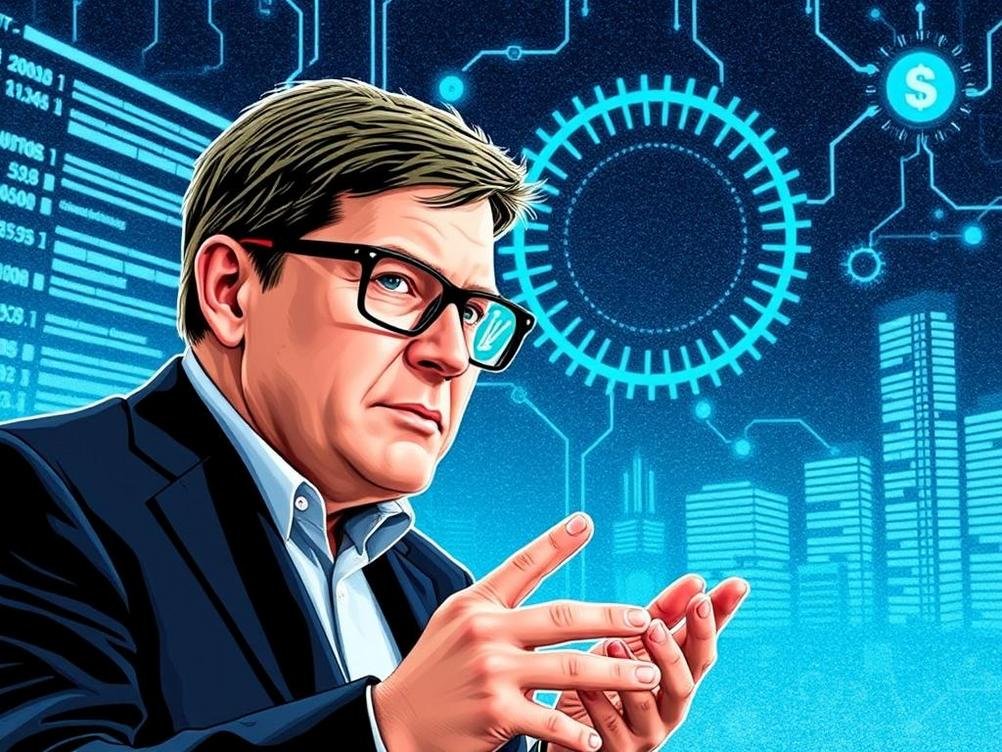
Jensen Huang, the big cheese at Nvidia, isn’t one to mince words when it comes to AI. He’s been on record saying that we’re on the brink of a massive transformation, like flipping a switch that lights up the whole room. Picture this: AI isn’t just another gadget; it’s more like that friend who shows up and suddenly makes your life easier in ways you didn’t expect. Huang points to advancements in chips and computing power that are making AI smarter and faster than ever. It’s exciting stuff, but let’s not get ahead of ourselves—he’s not predicting robots taking over tomorrow, though that would make for a killer sci-fi movie.
On the other hand, you’ve got folks questioning if this is all sustainable. Huang’s optimism stems from real progress, like how Nvidia’s GPUs are powering everything from medical imaging to autonomous vehicles. But, as with any hype machine, there’s a risk of overpromising. I remember back in the early 2000s when everyone thought the internet would solve world hunger—spoiler alert, it didn’t. Huang argues that AI’s tipping point is backed by data, not just dreams, citing examples like Nvidia’s own tech accelerating research in climate modeling. Still, it’s worth asking: Are we really at that inflection point, or is this just the next big sales pitch?
- First off, Huang highlights how AI is democratizing tech, letting smaller companies compete with giants.
- Then there’s the economic angle—he predicts AI could add trillions to global GDP, which sounds great until you wonder who gets left behind.
- And don’t forget the ethical side; it’s like giving a kid a superpower without teaching them responsibility.
The Signs That AI Might Be Hitting a Tipping Point
Okay, let’s break it down: What does a “tipping point” even mean in the world of AI? To me, it’s like that moment in a snowball fight when the snow starts rolling downhill and there’s no stopping it. Huang believes we’re there because of exponential growth in tech capabilities. Take machine learning models that can now process vast amounts of data in seconds—stuff that used to take humans weeks. It’s not just hype; we’re seeing it in action with things like AI-powered drug discovery, which shaved years off traditional methods. According to some reports, AI could cut healthcare costs by up to 50% in the next decade, which is pretty mind-blowing if you think about it.
But here’s where it gets fun—or scary, depending on your perspective. Huang often compares AI’s progress to the industrial revolution, but with a digital twist. Imagine factories run by smart algorithms that learn from mistakes, or personalized education that adapts to your kid’s learning style. I’ve tried using AI tools like ChatGPT for brainstorming, and let me tell you, it’s a game-changer for writers like me who sometimes stare at a blank screen for hours. Statistics from sources like McKinsey show that AI adoption has surged, with over 50% of companies integrating it into operations. So, yeah, it feels like we’re on the cusp, but is that enough to call it a tipping point?
If you’re skeptical, that’s fair—not every tech wave leads to a tsunami. For instance, early AI experiments in the 1950s promised the moon but fizzled out due to limitations. Today, with better infrastructure, Huang’s vision seems more plausible, but only time will tell.
Why the Skeptics Are Counting the Risks
Now, let’s flip the script and chat about the naysayers. These folks aren’t just party poopers; they’ve got valid concerns that AI might be inflating into a bubble. Think about it: We’ve all seen investments pour into AI startups like water into a bucket, but what if that bucket springs a leak? Skeptics point to overvaluation, like how some AI companies are trading at sky-high multiples without proven returns. It’s reminiscent of the tulip mania in the 1600s—people went nuts over flowers, and poof, it all crashed.
One big risk is the “AI winter,” a term for periods when funding dries up and progress stalls. Experts like those at MIT Technology Review warn that overhyped expectations could lead to disillusionment. For example, if AI fails to deliver on promises like solving climate change overnight, investors might pull out faster than you can say “algorithm.” And let’s not ignore the social risks—job displacement is a real worry. A study from the World Economic Forum estimates that AI could affect 85 million jobs by 2025, which is just around the corner from now.
- Risk one: Overreliance on AI could lead to errors, like biased algorithms messing with hiring decisions.
- Another: Energy consumption—training a single AI model uses as much power as a small town, which isn’t great for the planet.
- Lastly, security threats; hackers could exploit AI systems, turning them into tools for cyber attacks.
Real-World Examples of AI Transformation
Alright, enough doom and gloom—let’s get to the good stuff. AI isn’t just theoretical; it’s already transforming industries in tangible ways. Take Nvidia’s tech in gaming and graphics—it’s evolved into tools for virtual reality and even medical simulations. Huang loves to share stories about how AI is helping doctors spot cancer earlier than ever, which is like having a superpower in your pocket. I’ve seen this firsthand with apps that analyze my photos for skin issues—spooky accurate, but hey, it might save a life.
In finance, AI algorithms are predicting market trends better than human traders, cutting down on errors and boosting profits. According to a report from Gartner, AI-driven automation could add $3.9 trillion to the global economy by 2026. But, as with anything, it’s not all roses; these advancements come with strings attached, like the need for regulations to keep things ethical. It’s like inviting a wild animal into your home—exciting, but you’ve got to train it first.
One metaphor I like is comparing AI to fire: Incredibly useful for cooking and warmth, but careless use can burn everything down. Companies like Google and Amazon are pushing boundaries with AI in e-commerce, personalizing shopping experiences to a tee.
How to Navigate the Risks in This AI Landscape
So, if you’re knee-deep in AI talk, how do you avoid getting burned? First things first, stay informed and diversified. Don’t put all your eggs in the AI basket, as they say. Huang advises businesses to invest wisely, focusing on practical applications rather than chasing trends. For individuals, that might mean upskilling in AI-related fields to stay relevant—think online courses on platforms like Coursera, which offer AI basics for free.
It’s easy to get swept up in the excitement, but remember, risk management is key. Governments are starting to step in with regulations, like the EU’s AI Act, which aims to curb misuse. I’ve dabbled in AI projects myself, and let me tell you, starting small helps—test the waters before diving in. Statistics show that companies with strong AI governance see 20% higher success rates, so it’s not just about the tech; it’s about how you handle it.
- Tip one: Educate yourself on AI ethics to make smarter decisions.
- Two: Diversify investments if you’re into stocks; don’t bet the farm on one AI stock.
- Three: Keep an eye on emerging regulations to stay compliant and ahead of the curve.
The Future of AI: Balancing Optimism and Caution
Looking ahead, AI’s future is a mixed bag of optimism and wariness. Huang envisions a world where AI enhances human capabilities, not replaces them, like a trusty sidekick in a comic book. But skeptics remind us to temper that enthusiasm with reality checks, such as ensuring AI doesn’t widen inequality gaps. By 2030, projections suggest AI could automate 40% of tasks, freeing us up for more creative pursuits—or leaving us scrambling for new jobs.
What’s my take? It’s all about balance. We need to push forward with innovation while building safeguards. Think of it as driving a fast car: Thrilling, but you’ve got to wear a seatbelt. Sources like World Economic Forum highlight the potential for AI to solve global issues, from poverty to pandemics, but only if we get the implementation right.
In the end, whether AI tips over into a golden age or bursts like a bubble, it’s on us to steer the ship. So, keep questioning, keep learning, and maybe grab some popcorn for the ride.
Conclusion
As we wrap this up, it’s clear that the debate around AI’s tipping point versus bubble isn’t black and white—it’s a vibrant mix of potential and pitfalls. From Nvidia’s CEO championing transformation to skeptics highlighting the risks, we’ve got a front-row seat to one of the most exciting eras in tech. The key takeaway? Stay curious, but don’t forget to be cautious. AI could reshape our world in ways we can’t fully imagine yet, whether that’s through groundbreaking innovations or hard-learned lessons. So, what are you waiting for? Dive into the AI conversation, experiment a little, and who knows—you might just be part of the next big wave. Let’s make sure it’s one that lifts us all up, not washes us away.