
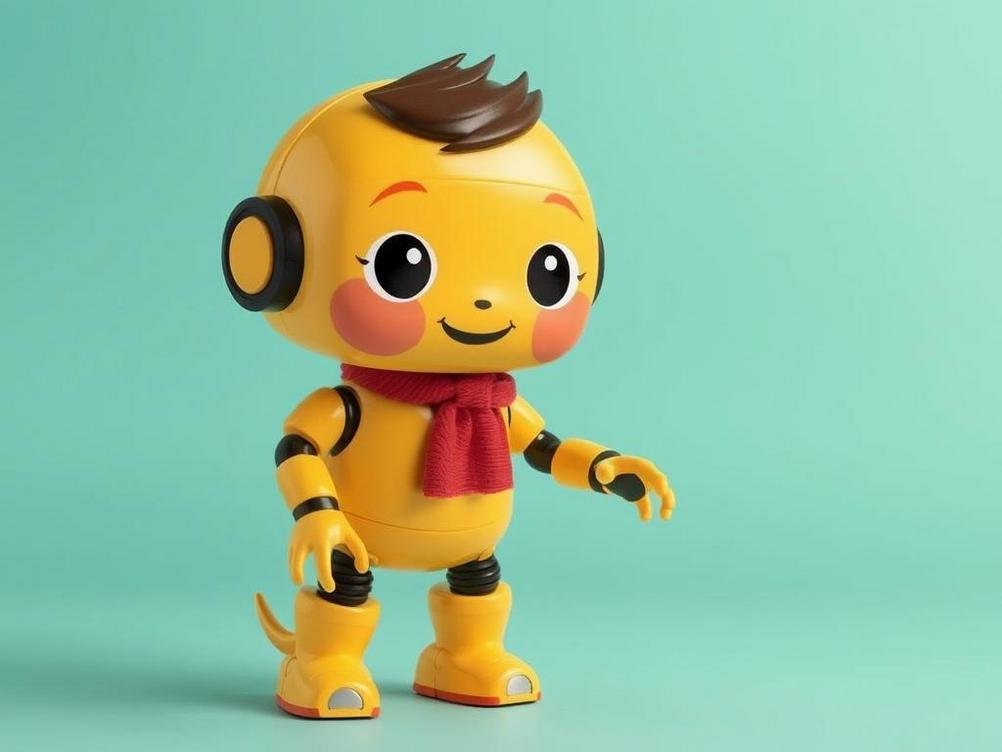
Why You Should Skip AI Toys This Holiday Season – A Parent’s Wake-Up Call
Why You Should Skip AI Toys This Holiday Season – A Parent’s Wake-Up Call
Imagine this: It’s the holiday season, and you’re knee-deep in wrapping paper, sipping hot cocoa while your kids’ eyes light up at the thought of the latest gadgets under the tree. But hold on a second—what if I told you that those shiny AI-powered toys might not be the magical gifts you think they are? Yep, advocacy groups are raising red flags left and right, warning parents like us to hit the brakes on these high-tech playthings. We’re talking about toys that learn, chat, and even “think” like humans, but at what cost? In a world where our kids are already glued to screens, the idea of handing over a robot that could spy on their every move or spill their personal info is enough to make any parent do a double-take. This isn’t about killing the holiday spirit; it’s about making smarter choices for our little ones’ safety and privacy. As someone who’s dabbled in tech trends and raised a couple of curious kiddos, I’ve seen how quickly the line between fun and fiasco can blur. So, let’s dive into why these groups are urging caution, what the real risks are, and how we can still make the holidays awesome without turning our homes into sci-fi horror stories. By the end, you’ll have the lowdown to shop with confidence—or at least without second-guessing every purchase.
Why Are Advocacy Groups Sounding the Alarm?
You know, it’s not every day that a bunch of watchdogs band together to crash the holiday party, but that’s exactly what’s happening with AI toys. Groups like the Electronic Frontier Foundation (EFF) and the Campaign for a Commercial-Free Childhood are basically saying, ‘Whoa, hold up!’ They’re worried about how these toys handle data—think voice recordings, location tracking, and all that jazz. It’s like giving a stranger a key to your house just because they promise to play nice. These organizations have been monitoring the tech industry for years, and they’ve seen patterns of misuse that could put kids at risk. For instance, a report from the EFF highlighted how some AI toys have been hacked, leading to unauthorized access to sensitive info. That’s no joke when we’re talking about our children’s privacy.
What’s driving this push? Well, it’s a mix of rapid tech advancements and lax regulations. AI toys often collect data without clear explanations, and parents might not even realize it until it’s too late. I remember when my own kid got a smart speaker for their room—it was fun at first, but then I started wondering if Big Tech was eavesdropping on bedtime stories. Advocacy groups are just trying to cut through the marketing hype, reminding us that the holiday rush shouldn’t override common sense. If you’re curious, check out the EFF’s website at eff.org for more on their efforts. It’s eye-opening stuff that makes you think twice about what you’re bringing into your home.
And let’s not forget the ethical side—these groups argue that exposing kids to AI too early could mess with their development. Instead of fostering imagination through good old-fashioned play, we’re handing over devices that do the thinking for them. It’s like giving a kid a calculator for math homework when they haven’t even learned to add yet. So, before you click ‘buy now,’ consider if the toy is more about corporate gain than genuine fun.
The Real Risks of AI Toys for Kids
Okay, let’s get real—what exactly are we dealing with here? AI toys aren’t just your average stuffed animal; they’re packed with microphones, cameras, and algorithms that could turn a playful afternoon into a privacy nightmare. Think about toys that listen to your child’s voice to respond or learn preferences—sounds cool, right? But that data has to go somewhere, and it’s often stored on servers that aren’t as secure as we’d like. Advocacy groups point to incidents like the 2023 data breach of a popular AI doll, which exposed thousands of kids’ conversations online. Yikes! It’s stuff like that that makes you want to wrap everything in tinfoil.
Another layer is the potential for emotional manipulation. These toys can build relationships with kids, making them feel attached, but what happens when the toy’s AI starts pushing ads or collects info for marketing? I’ve heard stories from parents whose kids got hooked on these gadgets, only to realize they were being fed targeted content based on their playtime chats. It’s creepy, like having a spy in the playroom. According to a 2024 study by Common Sense Media, over 60% of AI toys shared user data with third parties without explicit consent. That’s a statistic that hits home, especially when you’re trying to protect your family from the digital wild west.
- Privacy breaches: Data leaks that could expose personal info.
- Security vulnerabilities: Hacks that allow unauthorized access.
- Developmental concerns: Over-reliance on tech instead of creative play.
What Parents Should Look For Instead of AI Toys
So, you’re convinced to steer clear—now what? Don’t worry, the holidays don’t have to be a bust. There are plenty of awesome alternatives that spark joy without the tech baggage. Think classic board games, art supplies, or even outdoor gear that gets kids moving and imagining. I mean, who needs a robot companion when you can build forts out of blankets? Advocacy groups often recommend toys that encourage hands-on learning, like puzzles or building blocks, which help develop real skills without any hidden agendas.
When shopping, ask yourself: Does this toy require an app or internet connection? If it does, dig deeper into its privacy policy—and if it’s written in legalese that makes your eyes glaze over, that’s a red flag. Sites like the Toy Association’s safety guidelines at toyassociation.org can be a lifesaver for vetting options. Plus, supporting local makers or eco-friendly brands feels good and keeps things simple. Remember, the best toys are the ones that create memories, not data points.
- Non-digital alternatives: Books, crafts, and sports equipment.
- Criteria for safe tech: If you must go digital, look for strong privacy settings and parental controls.
- Budget-friendly ideas: Thrift stores or handmade gifts that add a personal touch.
Real-World Examples of AI Toy Issues
Let’s talk specifics because hearing about abstract risks is one thing, but real stories hit different. Take the case of that infamous AI-enabled doll from a few years back—it was supposed to be a child’s best friend, but reports surfaced of it recording conversations and sending them to servers in who-knows-where. Parents were furious, and it led to lawsuits and recalls. It’s like inviting a Trojan horse into your living room! Advocacy groups have compiled lists of these mishaps to educate folks, showing that these aren’t isolated incidents.
Another example? Smart robots designed for coding education that ended up glitching and sharing kids’ location data. A 2025 report from Consumer Reports highlighted how easily these devices could be exploited. It’s enough to make you laugh (or cry) at the irony—we’re teaching kids about tech safety while the toys themselves are the problem. If you’re into digging deeper, check out Consumer Reports’ toy safety page at consumerreports.org. These tales serve as wake-up calls, reminding us that the tech world’s promises aren’t always golden.
And don’t even get me started on the environmental angle—many AI toys contribute to e-waste with their short lifespans and non-recyclable parts. It’s a bummer when you think about it, especially during a season meant for giving back.
How to Make Informed Decisions as a Parent
Alright, enough doom and gloom—let’s flip this into empowerment. As parents, we can arm ourselves with knowledge to navigate the toy aisle like pros. Start by researching brands and reading reviews from real families, not just the polished ones on the box. Advocacy groups suggest using tools like the FTC’s resources on children’s privacy at ftc.gov, which break down what to watch for in data collection. It’s like having a cheat sheet for the holiday shopping game.
Ask questions: Who owns the data? Can I delete it easily? And involve your kids in the decision—teach them about digital literacy early on. It’s fun to turn it into a family activity, like a ‘toy trial’ where you test things out together. Remember, being informed doesn’t mean being paranoid; it’s about striking a balance so the holidays stay merry and bright.
- Research thoroughly: Use trusted sources for toy reviews.
- Engage with communities: Join parent forums for shared experiences.
- Set boundaries: Establish rules for tech use in your home.
The Future of AI in Toys—Is There Hope?
Look, I’m not saying AI toys are destined for the scrap heap forever. With the right regulations and improvements, they could evolve into something truly beneficial. Advocacy groups are pushing for better standards, like mandatory privacy labels on toys, similar to nutrition facts on food. It’s an exciting frontier, but we’re not quite there yet. By 2026, we might see changes that address these concerns, making AI play safer for everyone.
Imagine toys that teach coding without compromising privacy—that’d be a game-changer. But for now, it’s wise to keep expectations in check. As tech enthusiasts, we can advocate for these changes ourselves, maybe by supporting companies that prioritize ethics. Who knows, your voice could help shape the next wave of kid-friendly innovations.
Conclusion
Wrapping this up, the holiday season is all about joy, family, and creating lasting memories, but let’s not let the allure of AI toys overshadow the basics. Advocacy groups have good reasons for their warnings, from privacy risks to developmental impacts, and it’s on us to listen and act. By choosing simpler, safer options, we’re not just protecting our kids; we’re fostering a more balanced relationship with technology. So, as you plan your gift list this year, remember that the best presents often come without batteries or wifi. Let’s make 2025 a holiday of thoughtful choices and real connections—your family will thank you for it.
