dailytech.ai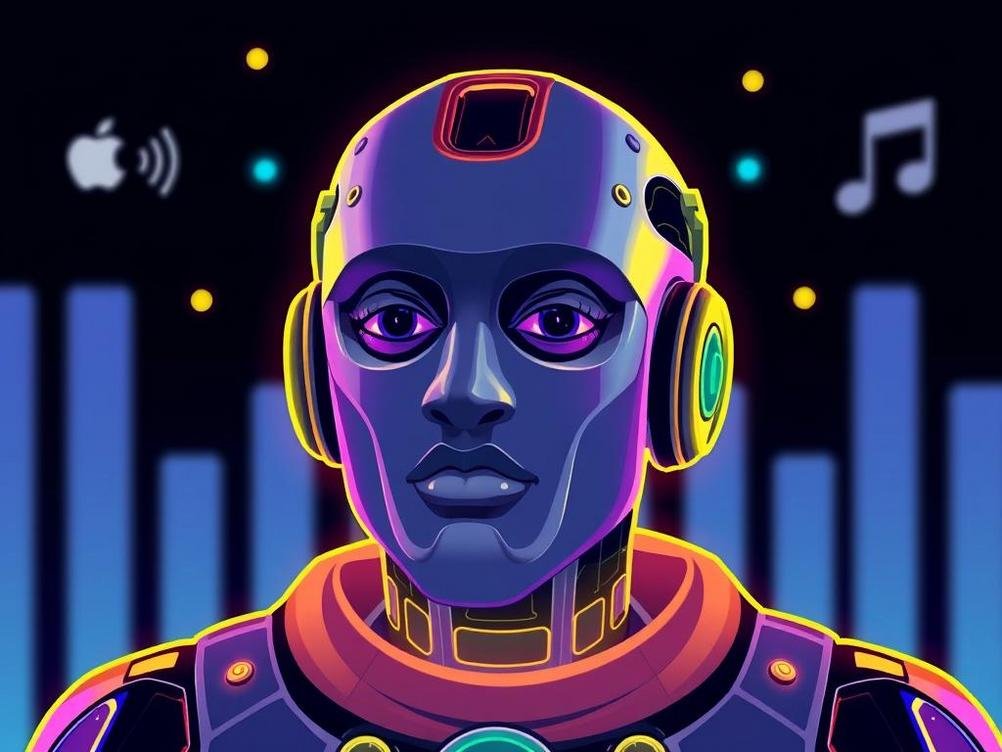
How AI is Shaking Up Music Streaming: Inside the Klay Licensing Deals
Imagine this: You’re jamming out to your favorite playlist on a lazy Sunday afternoon, and suddenly, the app starts suggesting songs that feel like they’ve been pulled straight from your daydreams. Sounds like magic, right? Well, that’s the wild world of AI stepping into music streaming, and boy, has it just leveled up big time. According to Bloomberg News, major music labels like Universal, Sony, and Warner are inking licensing deals with a fresh AI startup called Klay. This isn’t just another tech buzz—it’s a game-changer that could redefine how we discover, listen to, and even create music. Think about it: AI algorithms analyzing billions of listening habits to curate the perfect mix, or even generating new tracks that blend your tastes with hidden gems. But is this a dream come true or a potential nightmare for artists? As someone who’s spent way too many hours debating the merits of vinyl vs. streaming, I’m excited to dive into what this means for music lovers, creators, and the industry at large. We’ll explore the nitty-gritty of these deals, how AI is flipping the script on traditional streaming, and why this could be the start of something epic—or a bit chaotic. Stick around, because by the end, you might just rethink your next playlist.
\n
In a nutshell, Klay is positioning itself as the smart kid in the AI music class, using machine learning to not only recommend songs but possibly even remix or suggest content in real-time. This deal with the big labels is huge because it gives Klay access to massive catalogs of music, which means their AI can learn from the best and deliver even more personalized experiences. It’s like having a DJ who’s always one step ahead, but without the ego. Of course, this raises questions about royalties, artist control, and whether AI will steal the spotlight from human creativity. We’ll unpack all that and more, drawing from real-world examples and a sprinkle of humor to keep things light. After all, who doesn’t love a good story about tech crashing the music party?
What Exactly is Klay, and Why Should You Care?
First off, if you’re like me and you skimmed the headlines without diving deep, Klay is this up-and-coming AI streaming startup that’s all about using artificial intelligence to make music discovery feel less like a chore and more like serendipity. Picture Spotify on steroids, but with algorithms that can predict your mood based on your listening history, the time of day, or even the weather outside—because let’s face it, nobody wants thrash metal when it’s raining cats and dogs. Bloomberg News broke the story that Klay has secured licensing deals with major labels, which basically means they’ve got the green light to use popular tracks in their AI-driven platform. This isn’t just about playing songs; it’s about AI potentially remixing them or creating custom versions tailored to users.
Why does this matter to the average music fan? Well, for starters, it could mean the end of those endless scrolls through recommendations that miss the mark. I’ve had my fair share of moments where an app suggests something so off-base it makes me laugh— like recommending polka when I’m in a rock phase. Klay promises to fix that by leveraging AI’s ability to analyze patterns and preferences at a scale humans can’t match. But here’s the fun part: these deals aren’t just a win for users; they’re a strategic move for labels too. By partnering with AI innovators, they can tap into new revenue streams and keep up with tech-savvy competitors. According to industry reports, the music streaming market is expected to hit $30 billion by 2026, and AI is poised to grab a big slice of that pie. So, if you’re into music, this could be the nudge that makes your listening experience way more intuitive and enjoyable.
To break it down further, let’s list out what Klay brings to the table:
\n
- \n
- Advanced AI algorithms that learn from user data to suggest hyper-personalized playlists.
- Potential for real-time remixes, like adding filters or blending genres on the fly—think of it as your own personal producer.
- Seamless integration with existing streaming services, so you won’t have to ditch your favorites overnight.
- Opportunities for artists to gain exposure through AI-generated recommendations, which could help emerging talents break through the noise.
\n
\n
\n
\n
\nIt’s exciting, but as with any tech hype, we should keep an eye on the downsides, like privacy concerns or over-reliance on machines.
The Inside Scoop on Those Licensing Deals
Okay, let’s get to the juicy bits—those licensing deals that Bloomberg News is buzzing about. From what we know, major labels are handing over rights to their catalogs, allowing Klay to use them in AI applications. This isn’t your standard licensing; it’s more like giving AI the keys to the kingdom. Imagine a robot DJ spinning tracks from Taylor Swift and The Beatles in ways we haven’t seen before—maybe even generating AI covers or mashups. For the labels, this is a smart play to stay relevant in a world where AI is eating up entertainment industries. I mean, who wants to be the Blockbuster of music when Netflix (or in this case, AI streaming) is taking over?
But let’s not gloss over the potential pitfalls. Artists have been vocal about AI stealing their thunder—remember all the fuss over AI-generated voices sounding just like famous singers? These deals likely include safeguards, like royalties for AI uses, to keep everyone happy. In fact, sources from Bloomberg suggest that Klay is promising a fair share of revenues back to creators, which is a step in the right direction. It’s like negotiating with a roommate over the Netflix password; everyone’s got to give a little to make it work. If handled right, this could open doors for more innovative collaborations between humans and machines.
For a clearer picture, here’s a quick comparison of how this stacks up against traditional deals:
\n
- \n
- Traditional Licensing: Straightforward access to songs for streaming, with fixed royalties.
- Klay’s AI Deals: Dynamic use, including AI modifications, potentially leading to higher earnings through personalized content.
- Risks Involved: More complex negotiations around intellectual property, as AI could inadvertently create something new from old hits.
\n
\n
\n
\nThis evolution shows just how far we’ve come from the days of physical records—it’s almost comical how tech keeps flipping the script on what ‘music’ even means.
How AI is Flipping the Script in the Music World
AI isn’t just a fancy add-on; it’s reshaping the entire music landscape, much like how smartphones changed photography. With Klay’s deals, we’re seeing AI go beyond recommendations to actually influencing how music is produced and consumed. Think about tools like Google’s Magenta or OpenAI’s Jukebox, which use AI to compose music—Klay could take that and make it mainstream. It’s like having a co-writer who’s available 24/7 and never gets writer’s block. For listeners, this means discovering tracks that feel uniquely yours, but for artists, it might feel like sharing the stage with a robot band.
One real-world example is how AI helped boost artists on platforms like TikTok, where algorithms push viral hits overnight. Klay could amplify that, using data from millions of users to predict trends before they happen. Statistics from a recent report by the International Federation of the Phonographic Industry show that AI-driven recommendations account for over 50% of streams on major platforms. That’s insane! But it’s not all roses; there’s a risk of echo chambers, where AI keeps feeding you the same style, making music feel less diverse. As someone who’s always hunting for new sounds, I say let’s embrace it, but with a healthy dose of curiosity.
To put it in perspective, imagine AI as that friend who knows your music taste better than you do—they’re spot-on most times, but occasionally suggest something wild, like pairing classical with hip-hop. Here’s how AI is making waves:
\n
- \n
- It speeds up music discovery, cutting through the clutter of millions of tracks.
- It enables new revenue models, such as AI-generated concerts or virtual collaborations.
- It challenges creators to innovate, pushing boundaries beyond traditional methods.
\n
\n
\n
\nIt’s a brave new world, and these Klay deals are just the beginning.
The Upsides: Why This Could Be a Win for Everyone
Let’s focus on the bright side for a minute—because honestly, who doesn’t love a feel-good story in tech news? The Klay deals could supercharge user experiences, making streaming more interactive and fun. For instance, AI might let you ‘remix’ a song on the fly, adding beats or effects without needing a studio. It’s like having a magic wand for your ears! And for the labels, this means more data on listener preferences, which can help tailor marketing efforts. According to a study by McKinsey, AI could add up to $1 trillion in value to the creative industries by 2030—now that’s a number that gets me excited.
From an artist’s view, these deals might open doors to global audiences. Imagine an indie musician getting AI-boosted exposure that lands them a spot on a major playlist. I’ve seen it happen with bands that blew up on algorithms alone. Plus, with proper licensing, creators get paid for AI uses, which is way better than the chaos of unauthorized AI tools. It’s a bit like crowdfunding met streaming—everyone wins if it’s done right. The key is balance; AI should enhance, not replace, human artistry.
No list is complete without weighing the pros, so here’s a rundown:
\n
- \n
- Enhanced personalization, making every listen feel tailor-made.
- New monetization opportunities for artists through AI integrations.
- Faster innovation, like AI helping compose or mix tracks in seconds.
\n
\n
\n
\nOverall, it’s a promising step forward, as long as we keep the human element in play.
The Downsides: What Could Go Wrong with AI in Music?
Alright, time for some reality check—because every shiny new tech has its shadows. With Klay’s deals, there’s a real worry that AI might overshadow human creators. What if an AI-generated track starts outperforming original works, leaving artists in the dust? We’ve already seen lawsuits over AI mimicking voices, like the one with Drake and an AI version of his style. It’s hilarious in a dark way, but also a reminder that AI could dilute the authenticity of music. Labels are treading carefully, but these deals might spark more debates about ownership and ethics.
Another hiccup is privacy; AI needs tons of data to work its magic, which means your listening habits are fair game. Are we okay with that? I mean, I’m all for better recommendations, but not if it means Big Tech knows my secret guilty pleasures. Reports from the Electronic Frontier Foundation highlight how AI data practices can lead to misuse, so transparency in these deals is crucial. It’s like inviting a houseguest who snoops around—useful at first, but potentially problematic.
To illustrate, let’s compare past tech disruptions:
\n
- \n
- Napster’s piracy era vs. today’s AI: Both changed access, but AI adds a layer of creation that could infringe on rights.
- Streaming giants like Spotify: They personalized music but faced artist pay disputes; Klay might amplify that.
\n
\n
\nThe moral? We need guardrails to ensure AI enhances, rather than erodes, the music ecosystem.
Looking Ahead: The Future of AI and Music Streaming
As we wrap up this deep dive, it’s clear that deals like Klay’s are just the tip of the iceberg. We’re heading towards a future where AI doesn’t just play music but creates it, collaborates with artists, and even hosts virtual concerts. Picture AI festivals where algorithms curate lineups based on global tastes—wild, right? With advancements in tech, we might see more startups like Klay popping up, challenging the status quo and pushing big labels to adapt. It’s an exciting frontier, full of potential for creativity and connection.
One thing’s for sure: as AI evolves, so will our relationship with music. If we learn from these deals, we could foster a balanced industry where technology amplifies human talent. For more on AI in entertainment, check out Bloomberg News for ongoing updates. Who knows? In a few years, your favorite song might be co-written by an algorithm, and you’d be none the wiser—or maybe you’ll love it even more.
Conclusion
In the end, the Klay licensing deals are a bold step into uncharted territory, blending AI’s smarts with the soul of music. We’ve seen how this could revolutionize streaming, offer new opportunities for creators, and even stir up some necessary debates. Whether you’re a casual listener or a die-hard fan, it’s a reminder that technology isn’t here to replace us—it’s here to make life more enjoyable, one perfect playlist at a time. So, next time you’re grooving to an AI-suggested track, take a moment to appreciate the human ingenuity behind it all. Here’s to the future of music: may it be as dynamic and unpredictable as a live concert. What are your thoughts? Drop a comment and let’s keep the conversation going—after all, music is meant to be shared.