
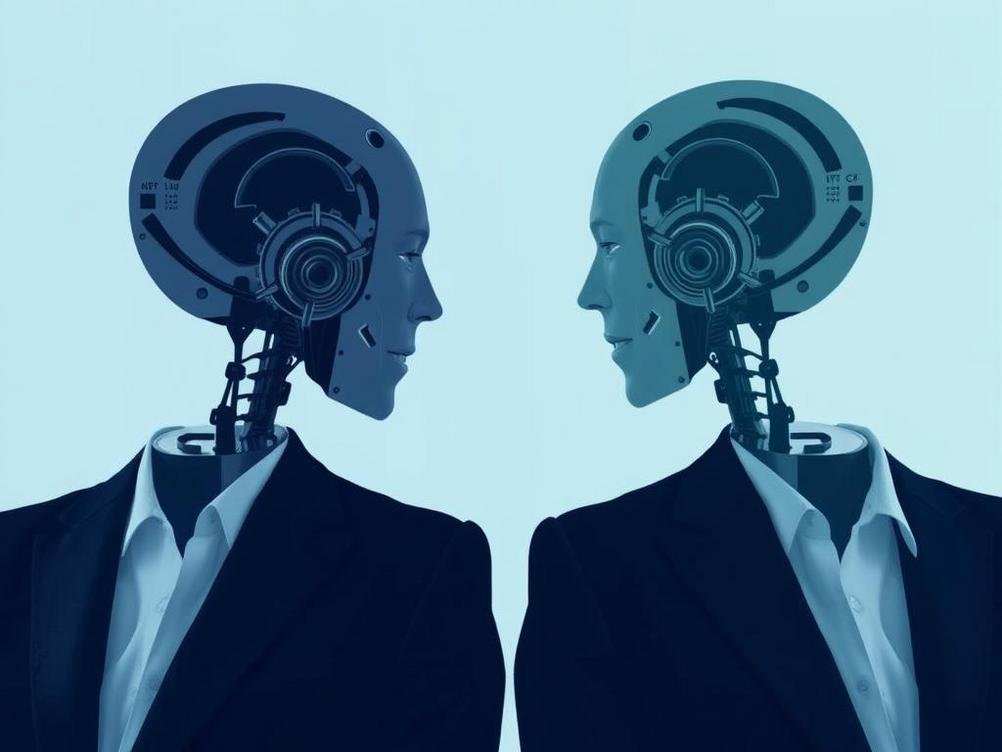
Why Lawyers Still Need a Human Touch in an AI-Crazed World
Why Lawyers Still Need a Human Touch in an AI-Crazed World
Imagine this: You’re in a courtroom, and the fate of your case hangs on a thread. Your lawyer’s firing off arguments pulled straight from some super-smart AI program that crunches data faster than you can say “objection!” But then, out of nowhere, the judge throws a curveball — a personal story that tugs at heartstrings, something no algorithm could’ve predicted. Suddenly, you realize tech can do a lot, but it can’t replace that gut feeling, that spark of humanity that makes lawyering an art, not just a science. In today’s world, where AI is everywhere — from predicting case outcomes to drafting contracts — lawyers are facing a real identity crisis. Is the future all about cold, calculated machines, or do we still need the warmth of a human connection to win cases and build trust?
It’s 2025, and AI has flipped the legal world upside down. Tools like these are game-changers, helping lawyers sift through mountains of documents in seconds or spot patterns in old cases that a human might miss after hours of coffee-fueled sludge. But here’s the thing: while AI can make us more efficient, it’s not about to replace the messy, emotional side of law. Think about it — when was the last time a robot made you feel understood? Exactly. This article dives into why lawyers can’t ditch the human element, even as AI takes over the grunt work. We’ll explore how blending tech with that personal touch isn’t just smart; it’s essential for succeeding in this brave new world. So, grab a cup of joe, and let’s unpack why your lawyer’s handshake might still be worth more than a flawless AI report.
The AI Boom in Legal Land
Okay, let’s kick things off with the elephant in the room: AI has stormed into the legal field like a kid in a candy store. We’re talking about tools that can analyze contracts, predict court decisions, and even handle basic legal research faster than you can blink. I remember reading about how firms are using stuff like Harvey AI or even open-source options to cut down on billable hours. It’s wild — what used to take days now takes minutes. But don’t get me wrong, this isn’t all sunshine and rainbows. While AI is making lawyers superheroes in efficiency, it’s also raising eyebrows about job security and accuracy. After all, if a machine’s doing the heavy lifting, what’s left for us humans to do?
On the flip side, AI’s not perfect. It’s great for data-driven stuff, but it can spit out biased results if the input data is wonky. Take a look at some real stats: according to a 2024 report from the American Bar Association, about 40% of lawyers are already using AI tools regularly, but nearly a quarter worry about errors in judgment. That’s why it’s crucial to see AI as a sidekick, not the main act. Imagine Batman without Robin — yeah, it could work, but it’s a lot less fun and effective.
So, how do lawyers actually use this tech? Let’s break it down with a quick list:
- Document review: AI scans thousands of pages for key phrases, saving hours of eyeball-straining work.
- Predictive analytics: Tools like LexPredict help forecast case outcomes based on past data, giving lawyers a heads-up.
- Chatbots for client intake: Ever chatted with a bot on a law firm’s website? It’s AI making the first contact, but a human steps in for the real talk.
What AI Just Can’t Nail Down
Alright, let’s get real — AI is a beast at crunching numbers and spotting trends, but when it comes to the nuanced stuff, it’s like a fish out of water. For instance, empathy? Forget about it. A lawyer needs to read between the lines, understand a client’s fears, and maybe even share a laugh to build rapport. I once heard a story about a divorce case where the AI suggested a straightforward settlement, but the human lawyer picked up on the emotional baggage and negotiated something fairer. That’s the magic humans bring — we get the subtext, the unsaid words that could make or break a case.
And let’s not gloss over ethics. AI might recommend a strategy based on data, but it doesn’t know if that strategy crosses ethical lines, like maintaining client confidentiality or avoiding conflicts of interest. That’s where lawyers step in as the gatekeepers. According to ethics guidelines from the International Bar Association, AI use is on the rise, but it’s the human who’s accountable. So, while AI can speed things up, relying on it too much is like driving with your eyes closed — exciting, but probably not a great idea.
In fact, there are plenty of examples where AI falls flat. Think about cultural nuances in international law; an AI trained on Western data might miss the boat on traditions in other countries. Or, in criminal defense, where a heartfelt plea can sway a jury more than cold facts. It’s these gaps that keep human lawyers relevant and, dare I say, irreplaceable.
Blending Human Wit with AI smarts
So, how do we marry the best of both worlds? It’s all about finding that sweet spot where AI handles the boring bits, and humans shine in the spotlight. Picture this: you’re a lawyer using AI for research, but you’re the one weaving those findings into a compelling narrative for the courtroom. That’s not just smart; it’s like having a calculator for math and a poet for the story. In my view, the key is training — lawyers need to learn AI without letting it dumb down their skills. A 2025 survey from LegalTech News showed that firms integrating AI with human oversight saw a 25% boost in client satisfaction. Not bad, right?
But it’s not always smooth sailing. Sometimes, AI can make lawyers lazy, like when they copy-paste AI-generated briefs without double-checking. That’s a recipe for disaster, as we’ve seen in cases where flawed AI advice led to malpractice suits. To avoid that, think of AI as your trusty intern — helpful, but always needing a mentor’s guidance.
Here’s a simple list of ways to strike that balance:
- Start with education: Take online courses from sites like Coursera (which has great AI for law modules — check it out here) to stay ahead.
- Review and revise: Always put a human eye on AI outputs to catch any blunders.
- Foster collaboration: Use AI tools in team meetings to spark ideas, not replace discussion.
Real-World Tales from the Trenches
Let’s ground this in reality with some stories that hit home. Take the case of a public defender in New York who used AI to review evidence in a high-profile trial. The tech flagged key details, but it was the lawyer’s intuition that connected the dots to the client’s backstory, leading to a not-guilty verdict. Without that human touch, who knows? It’s like how a chef uses a blender but still adds their secret spice — the machine does its job, but the magic comes from the person.
Another example: During the pandemic, firms leaned on AI for virtual depositions, but clients craved the personal follow-up calls. Stats from a 2023 Thomson Reuters report show that personalized interactions increased case retention by 30%. It’s a reminder that while AI can handle the tech side, humans excel at the relationship-building game, turning clients into lifelong advocates.
And let’s not forget the humor in it all. I mean, can you imagine an AI trying to tell a joke in court? “Why did the lawyer cross the road? To get to the AI update!” Yeah, it’d bomb. Humans bring that levity and connection that keeps things from feeling too robotic.
The Perils of Going All-In on AI
Here’s where things get a bit dicey: If lawyers get too cozy with AI, they risk losing their edge. Over-reliance can lead to skill atrophy, like how staring at a screen all day makes us forget how to have a real conversation. I’ve chatted with colleagues who say they’re spending more time fixing AI errors than they are innovating, which is a total buzzkill. Plus, with data privacy laws tightening up, a slip-up from an AI tool could land you in hot water.
Take the recent EU AI Act, which imposes strict rules on high-risk AI in legal settings. If you’re not careful, you could face fines or worse. It’s like playing with fire — exciting, but one wrong move and you’re burned. Lawyers need to stay vigilant, ensuring AI complements their work without overshadowing it.
To wrap this section, consider a metaphor: AI is the engine of a car, but you’re the driver. Without your hands on the wheel, that engine’s just spinning its wheels.
Prepping for the AI-Legal Future
Looking ahead, the legal world’s evolving fast, and lawyers who adapt will thrive. That means beefing up skills in both tech and soft areas like communication. Schools are jumping on this — programs at Harvard Law (you can peek at their AI curriculum here) are teaching students to code and counsel in the same breath. It’s about creating well-rounded pros who can navigate an AI-driven landscape without losing their soul.
But it’s not just about formal training; it’s about mindset. Encourage curiosity, like experimenting with new tools while questioning their limits. In a world where AI might handle 70% of routine tasks by 2030 (per Gartner forecasts), lawyers who focus on strategic thinking and client relations will be the ones winning big.
One fun way to get started? Join online communities or forums where lawyers share AI horror stories and successes — it’s like a support group for the digitally overwhelmed.
Conclusion
In the end, while AI is reshaping the legal world in exciting ways, it’s the human touch that keeps the heart beating. We’ve seen how technology can boost efficiency, but without empathy, intuition, and that personal connection, it’s all just noise. Lawyers who embrace AI as a tool while holding onto their unique strengths will not only survive but flourish in this new era.
So, here’s my nudge: If you’re in the legal game, take a moment to reflect on what makes you irreplaceable. Dive into AI, sure, but don’t forget the power of a good chat or a well-timed joke. The future’s bright for those who blend the best of both worlds — human and machine. Let’s raise a glass to the lawyers who keep it real, one case at a time.
