
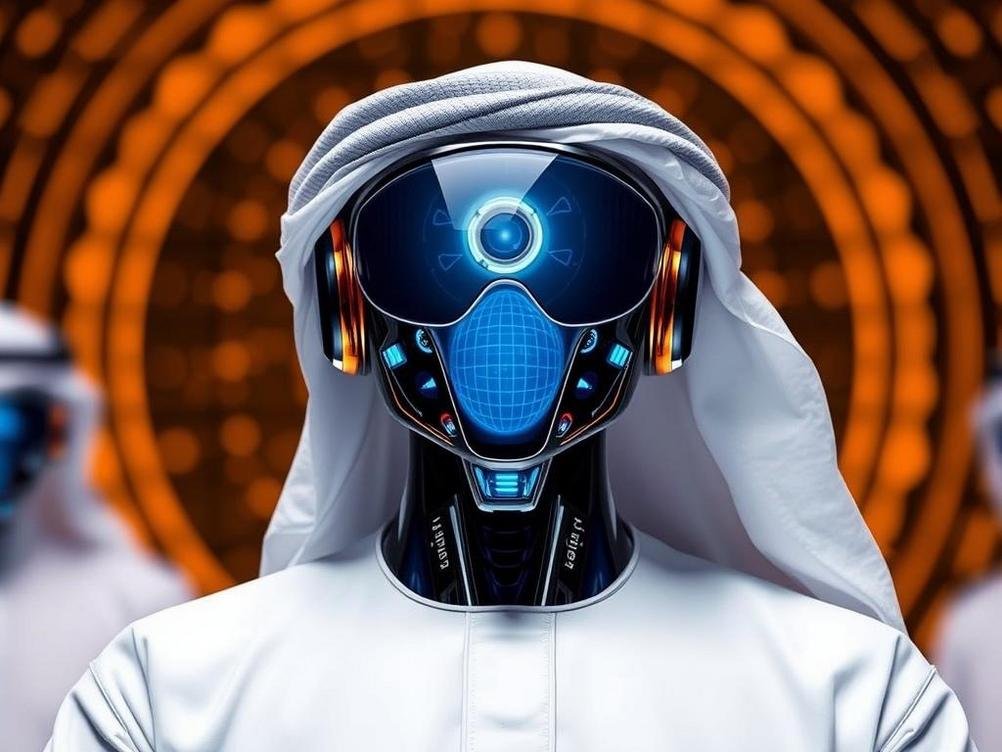
UAE’s Bold $1 Billion AI Push in Africa: Is This the Tech Wake-Up Call We Needed?
UAE’s Bold $1 Billion AI Push in Africa: Is This the Tech Wake-Up Call We Needed?
Imagine this: you’re sitting in a bustling market in Lagos, Nigeria, surrounded by vendors haggling over fresh produce and second-hand smartphones, when suddenly, AI-powered apps start helping farmers predict weather patterns or optimize crop yields. Sounds like something out of a futuristic novel, right? Well, that’s exactly the kind of dream the United Arab Emirates is turning into reality with their whopping $1 billion initiative to expand AI across Africa. Announced recently, this isn’t just another headline—it’s a massive vote of confidence in Africa’s potential to leapfrog into the digital age. But let’s be real, in a world where tech giants are throwing money around like confetti, why should we care about this one? Because, my friend, it’s not just about gadgets and algorithms; it’s about bridging gaps, creating jobs, and maybe even saving lives in places that have been overlooked for too long.
Now, if you’re anything like me, you’re probably thinking, “Wait, the UAE? Aren’t they the ones with the fancy skyscrapers and desert oases?” Yep, that’s them, and they’re not messing around. This initiative aims to pump resources into AI research, education, and infrastructure across the continent, potentially transforming everything from healthcare to agriculture. It’s like they’re saying, “Africa, we’ve got your back when it comes to tech.” But here’s the kicker—what’s in it for them? Well, global partnerships, expanded influence, and a shot at leading the next wave of innovation. Over the past few years, we’ve seen AI reshape economies worldwide, from automating factories in China to powering personalized recommendations on Netflix. Yet, Africa has often been left in the dust, dealing with unreliable internet and outdated tech. This $1 billion could change that narrative, fostering collaborations between UAE experts and African innovators. Think about it: if successful, this could mean more startups popping up in places like Kenya or South Africa, churning out AI solutions tailored to local needs, like using drones for wildlife conservation or AI chatbots for affordable healthcare advice. It’s exciting stuff, and it makes you wonder—could this be the spark that lights up Africa’s tech revolution?
As we dive deeper, it’s clear this isn’t just a handout; it’s a strategic move that’ll ripple through societies. With the world hurtling towards an AI-dominated future, initiatives like this remind us that technology isn’t just for the elite—it’s for everyone. So, grab a cup of coffee (or tea, if you’re on the African side), and let’s unpack what this means for the continent and beyond. We’ll explore the details, the potential pitfalls, and why this could be a game-changer in the global AI race. By the end, you might just find yourself rooting for this bold experiment, just like I am.
What Exactly is This $1 Billion Initiative?
You know, when I first heard about the UAE dropping a cool billion on AI in Africa, I thought it was one of those over-the-top promises that politicians love to make. But digging into it, this isn’t just vague talk—it’s a fleshed-out plan to fund AI projects, build partnerships, and train the next generation of tech whizzes. The initiative includes investments in research centers, startup incubators, and even scholarships for African students to study AI abroad. It’s like the UAE is playing matchmaker between their oil-fueled wealth and Africa’s untapped talent pool. Picture this: a young coder in Accra, Ghana, getting access to cutting-edge tools that were once out of reach—that’s the kind of real-world impact we’re talking about.
From what I’ve read on sites like World Bank reports, Africa has a massive youth population eager for opportunities, but lacking the infrastructure. This UAE fund could bridge that gap by supporting things like AI-driven agriculture tech, which might help farmers in Ethiopia use predictive analytics to boost yields. And let’s not forget the infrastructure side—think new data centers popping up to handle all that AI processing power. It’s not all roses, though; there are strings attached, like potential trade deals or influence in resource-rich areas. Still, if executed well, this could be a win-win, fostering innovation without the usual colonial vibes.
- Key components include funding for AI education programs to train over 100,000 professionals.
- Investments in ethical AI development to ensure tech benefits local communities.
- Partnerships with African governments for projects in healthcare, finance, and environmental sustainability.
Why Africa is Ripe for an AI Boom Right Now
Okay, let’s get real—Africa isn’t starting from scratch when it comes to tech. Places like Rwanda have already positioned themselves as tech hubs, with initiatives like their smart city projects. But why is now the perfect time for something like the UAE’s initiative? Simple: the continent is exploding with young people who are tech-savvy and hungry for change. With over 60% of the population under 25, according to World Bank data, there’s a demographic dividend just waiting to be tapped. The UAE’s money could turbocharge this by providing the hardware, software, and training needed to turn ideas into reality. It’s like planting seeds in fertile soil—give it the right nutrients, and boom, you get a harvest.
Take mobile money systems like M-Pesa in Kenya as an example; they’ve already revolutionized financial inclusion without traditional banks. Now, imagine layering AI on top of that—algorithms that detect fraud in real-time or personalize financial advice. That’s not pie in the sky; it’s happening. But challenges like inconsistent internet access could slow things down, which is where initiatives like this come in clutch. Humor me for a second: if AI can help predict droughts in the Sahel region, saving crops and livelihoods, isn’t that worth a billion bucks? Absolutely. This push could make Africa a leader in AI for development, rather than just a consumer of Western tech.
- Africa’s growing tech ecosystem, with over 1,000 AI startups already operational.
- The rise of affordable smartphones, making AI accessible to millions.
- Opportunities in sectors like agriculture, where AI could increase productivity by up to 30%, based on recent studies.
The Potential Economic Shake-Up This Could Cause
If this initiative delivers, we’re looking at a serious economic makeover for Africa. Think about it: AI isn’t just about robots; it’s about efficiency. In countries like Nigeria, where oil dominates the economy, AI could diversify things by optimizing supply chains or even exploring renewable energy. The UAE’s investment might kickstart jobs in tech sectors, pulling people out of poverty and into the digital economy. I mean, who wouldn’t want to swap shoveling dirt for coding apps? From my perspective, this could add billions to Africa’s GDP, with reports from McKinsey suggesting AI could contribute $5-10 trillion to the global economy by 2030, and Africa could claim a slice.
But let’s not get too optimistic. Not every country will benefit equally; smaller nations might get left behind if the focus is on powerhouses like South Africa or Egypt. Still, it’s a step in the right direction, like giving a bicycle to someone who’s been walking everywhere. For instance, AI in healthcare could mean faster disease detection in remote areas, potentially saving thousands of lives during outbreaks. It’s exciting to think about, but we need to ensure it’s inclusive.
- Growth in AI-related jobs, estimated at millions by 2030.
- Enhanced trade opportunities between Africa and the Middle East.
- Boost to innovation, with potential for African-led AI exports.
The Roadblocks That Might Trip This Up
Alright, let’s pump the brakes for a minute. Nothing’s perfect, and this initiative has its share of hurdles. For starters, Africa’s infrastructure woes—like spotty electricity and internet—are like trying to run a marathon with one shoe. Even with a billion dollars, how do you fix that overnight? Plus, there’s the issue of data privacy; AI thrives on data, but in regions with lax regulations, that could lead to misuse or exploitation. It’s kind of ironic—the UAE wants to help, but if we’re not careful, it could end up being another case of foreign powers influencing local affairs. I chuckle at the thought: “Here’s a billion for AI, but please don’t forget to buy our oil!”
On a brighter note, challenges can breed innovation. For example, in places with limited resources, AI developers might create leaner, more efficient models that the rest of the world could learn from. Think open-source projects that empower local communities. According to UN reports, ethical AI implementation is key, so this initiative needs to prioritize that. If they do, it could set a gold standard; if not, well, we might just see more inequality.
- Overcoming infrastructure gaps, such as expanding broadband access.
- Addressing skills shortages through targeted training.
- Ensuring equitable benefits to avoid widening the digital divide.
How This Fits into the Bigger Global AI Picture
Zoom out a bit, and you’ll see this UAE initiative as part of a global AI arms race. Countries like the US and China are pouring trillions into AI, but Africa’s entry could shake things up. It’s like the underdog finally getting in the game, and that excites me. The UAE, with its strategic location and resources, is positioning itself as a bridge between East and West, using this as a soft power play. Meanwhile, Africa’s unique challenges—climate change, urbanization—could lead to AI solutions that are more adaptable worldwide. For instance, AI for disaster response in flood-prone areas could be a model for other regions.
Comparatively, Europe’s AI Act is all about regulation, while the US focuses on competition. Africa’s approach, with help from the UAE, might emphasize practical applications over bureaucracy. It’s a refreshing angle, don’t you think? If successful, this could inspire similar investments elsewhere, making AI a truly global force for good.
What’s Next? Looking Ahead with Hope
As we wrap this up, it’s clear the UAE’s $1 billion initiative has the potential to be a turning point. From economic growth to social empowerment, it’s about more than just tech—it’s about futures. We’ve seen how AI can transform lives, and now Africa gets its spotlight. Who knows, maybe in a few years, we’ll be talking about African AI innovators changing the world.
Conclusion
In the end, the UAE’s bold move is a reminder that AI isn’t just for superpowers—it’s for anyone willing to invest and innovate. This initiative could spark a renaissance in Africa, creating opportunities and solving real problems. But it’s up to all of us—governments, businesses, and everyday folks—to make sure it lives up to the hype. So, here’s to hoping this $1 billion doesn’t just sit in a bank; let’s see it turn into something magical. What do you say—ready to watch Africa rise?
