
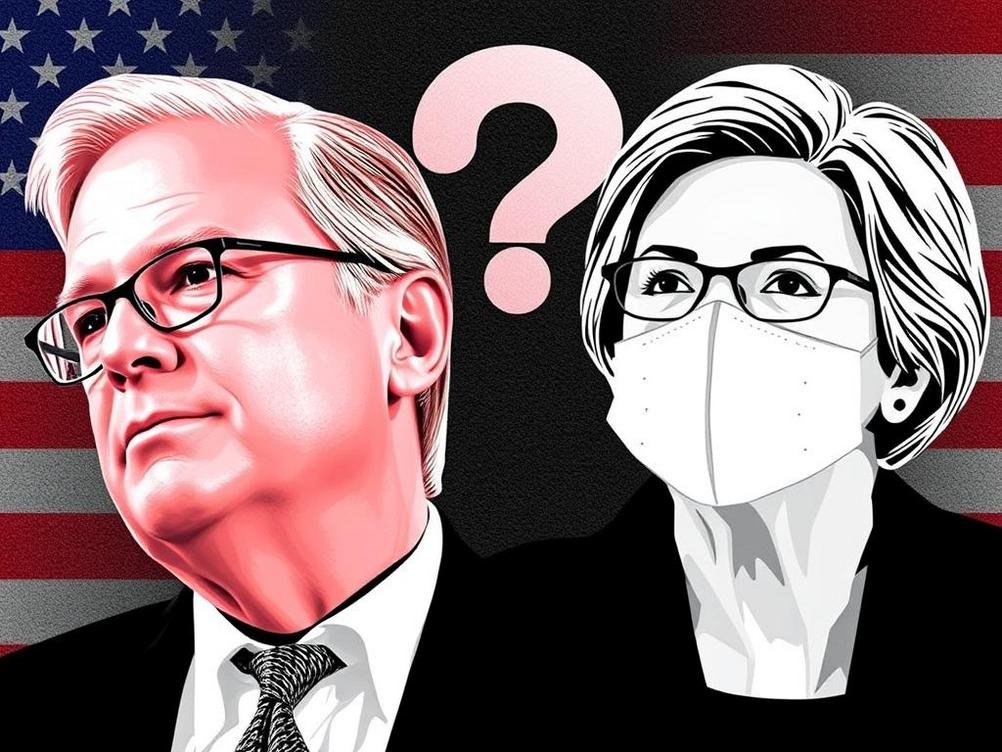
Why Bipartisan Fury is Exploding Over AI Regulation Blocks – From Bannon to Warren
Why Bipartisan Fury is Exploding Over AI Regulation Blocks – From Bannon to Warren
Ever wondered why politicians who couldn’t agree on what color the sky is suddenly find common ground on something like AI? Well, buckle up, because we’re diving into the wild world of AI regulation, where figures as different as Steve Bannon and Elizabeth Warren are teaming up to throw shade at efforts to stop states from calling the shots. Picture this: in a twist that feels straight out of a political comedy, these two – one a firebrand conservative, the other a progressive firecracker – are united in their backlash against a push to centralize AI oversight. It’s like watching cats and dogs team up against a common enemy, and that enemy is basically red tape gone rogue at the federal level.
This whole drama kicked off amid growing concerns that letting the feds block state-level rules could turn AI into a Wild West, where big tech runs amok without local checks and balances. We’re talking about everything from biased algorithms messing with job applications to AI-driven surveillance creeping into our daily lives. As someone who geeks out on tech and politics, I’ve seen how this could affect you and me – think privacy invasions or even skewed healthcare decisions powered by unchecked AI. But hey, it’s not all doom and gloom; this bipartisan uproar might just be the spark that leads to smarter, more balanced regulations. In this article, we’ll break it all down, exploring why this matters, who’s involved, and what it could mean for the future. Stick around, because by the end, you might just feel empowered to chime in on the conversation yourself.
What Sparked This Backlash Anyway?
You know, it’s kind of hilarious how a topic as futuristic as AI can drag politics back to basics, like who gets to make the rules. The whole mess started when there were whispers – and then shouts – about federal proposals that would preempt states from crafting their own AI regulations. Imagine the government saying, “Hey, we’ve got this under control,” while states like California or New York are already dealing with real-world AI headaches, from self-driving cars flipping out to facial recognition tech spying on folks without permission. This isn’t just policy jargon; it’s about everyday stuff, like whether your state can protect you from AI that might discriminate in hiring or invade your privacy.
At the heart of it, proponents of blocking state regs argue it’d create a uniform national standard, which sounds neat on paper but feels like a one-size-fits-all band-aid on a broken leg. Critics, including our bipartisan buddies, point out that AI tech evolves so fast that states need the flexibility to adapt quickly. For instance, if a state notices AI is messing with local elections through deepfakes, why wait for federal bureaucracy? It’s like trying to swat a fly with a sledgehammer – inefficient and prone to collateral damage. And let’s not forget, this backlash isn’t new; it echoes past fights over issues like marijuana laws, where states led the charge before the feds caught up.
- Key trigger: A proposed bill or executive move aiming to override state authority on AI oversight.
- Real-world example: California’s existing AI laws on data privacy could be neutered, leaving residents vulnerable.
- Why it matters: This could set a precedent for other tech areas, like biotech or social media, where local nuances are crucial.
The Unlikely Alliance: Bannon and Warren Leading the Charge
If you’d told me a year ago that Steve Bannon and Elizabeth Warren would be on the same side of anything, I’d have laughed you out of the room. Bannon, the guy who’s all about populist upheaval, and Warren, the consumer protection queen, are now tag-teaming this issue like an odd-couple buddy cop movie. Bannon’s framing it as a fight against big tech elites stifling innovation and freedom, while Warren sees it as a corporate loophole that lets companies dodge accountability. Their bipartisan push is a reminder that when it comes to AI, politics can take a back seat to practical concerns.
What’s really wild is how this highlights the human element in tech policy. Bannon might be drawing from his “America First” vibes, worrying about AI jobs going overseas, whereas Warren’s laser-focused on protecting workers and consumers from AI’s potential downsides, like algorithmic bias in lending. It’s a perfect storm of ideologies clashing and then, surprisingly, aligning. If you’re skeptical, just check out recent hearings where both have grilled tech CEOs – it’s must-watch TV for anyone into this stuff.
- Steve Bannon’s angle: Emphasizing how federal blocks could hurt small businesses and innovation hubs in red states.
- Elizabeth Warren’s perspective: Stressing equity, pointing to studies showing AI discrimination affects marginalized groups more.
- A fun fact: According to a Pew Research poll from last year, 70% of Americans support state-level AI regulations, cutting across party lines.
Why States Need the Reins on AI Regulation
Let’s get real – states aren’t just bureaucratic entities; they’re like the neighborhood watch for tech gone wrong. Each state has its own quirks, from Texas’s oil-driven economy to New York’s finance scene, and AI regulations need to fit those molds. If the feds swoop in and block that, it’s like telling a chef they can only use one ingredient – sure, it might work, but it won’t taste as good. States have already stepped up, with places like Illinois banning certain AI uses in employment decisions, proving they can handle this without waiting for Washington.
Think about it: AI isn’t some abstract concept; it’s in your phone, your car, and even your doctor’s office. Without state-level rules, we could see inconsistencies that harm people directly. For example, if one state allows AI to make critical healthcare decisions without oversight, patients there might get the short end of the stick compared to others. It’s not about overregulation; it’s about ensuring AI serves us, not the other way around. And humor me here – if states can regulate something as complex as traffic laws, why not something as impactful as AI?
- Benefits of state control: Faster responses to local issues, like AI in agriculture for Midwest farmers.
- Potential pitfalls: Without it, we risk a patchwork of enforcement that confuses businesses and consumers alike.
- Stat: A Brookings Institute report notes that state-led AI policies have reduced bias in AI systems by up to 25% in pilot programs.
The Risks of Federal Overreach in AI
Here’s where things get tricky – federal overreach sounds like a plot from a dystopian novel, doesn’t it? The idea of blocking states from regulating AI could lead to a top-down approach that ignores regional differences, making it harder for innovation to thrive. It’s like trying to fit a square peg into a round hole; sure, you might force it, but everything’s going to get jammed up. Critics argue this could let big tech lobbyists call the shots, turning AI into a playground for the powerful rather than a tool for the people.
On the flip side, a federal framework could streamline things, but at what cost? If we’re not careful, it might stifle emerging tech in states that are ahead of the curve. I mean, remember how the internet boomed because of decentralized growth? We don’t want to repeat the mistakes of past tech bubbles. Plus, with AI’s rapid evolution, a rigid federal policy could be outdated before it’s even implemented – talk about shooting yourself in the foot.
- Risks outlined: Reduced innovation, as seen in EU’s stricter AI laws slowing down startups.
- Counterpoint: Federal standards could prevent a “race to the bottom” where states compete by loosening rules.
- Real-world tie-in: Link to a site like ftc.gov for more on federal AI oversight proposals.
What This Means for AI’s Future and Everyday Life
As this backlash unfolds, it’s clear AI isn’t just for sci-fi buffs anymore – it’s woven into our daily routines, from smart assistants to personalized ads. If states lose their regulatory power, we might see more AI mishaps, like the time facial recognition software failed spectacularly on diverse skin tones. This bipartisan fight could push for a middle ground, ensuring AI enhances lives without turning into Big Brother. It’s a wake-up call that we all have a stake in this game.
And let’s not forget the humor in it: Who knew AI would be the great unifier? This could lead to more collaborative efforts, blending state ingenuity with federal resources. For you and me, that means better protections against AI errors, like faulty chatbots giving bad financial advice. Keep an eye on developments; it might just shape how AI evolves in the next few years.
Conclusion
Wrapping this up, the bipartisan backlash from folks like Bannon and Warren shows that AI regulation isn’t just a partisan ping-pong match – it’s a crucial conversation about power, innovation, and protecting our future. We’ve seen how state-level controls could be the key to balancing risks and rewards, and this unlikely alliance might just pave the way for smarter policies. At the end of the day, it’s up to us to stay informed and engaged, because AI won’t wait for us to catch up.
If there’s one thing to take away, it’s that whether you lean left or right, we’re all in this together. So, next time you hear about AI in the news, ask yourself: How does this affect my world? Let’s push for regulations that keep tech human-friendly – after all, in 2025, we’re already living in the future.
