dailytech.ai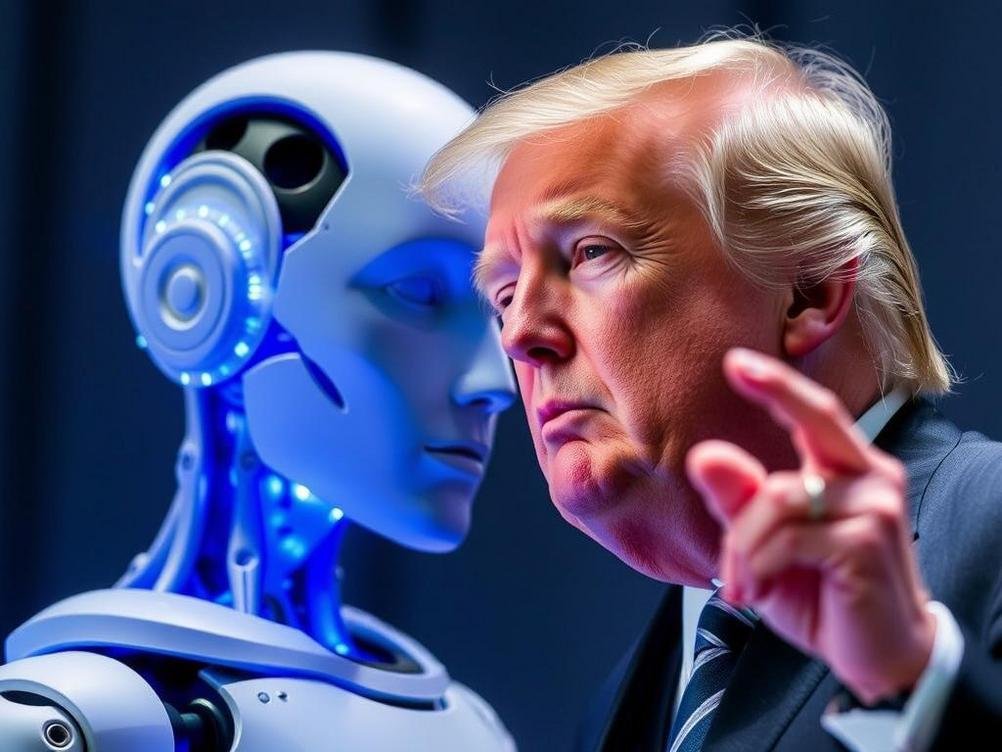
Why Trump’s Push to Block AI Regulations Could Backfire Big Time
Picture this: You’re scrolling through your feed one lazy Sunday morning, and suddenly, you stumble upon a headline about former President Trump trying to throw a wrench into how states handle AI rules. It’s like he’s playing whack-a-mole with innovation and safety, right? This whole drama started brewing again recently, with Trump renewing his efforts to stop states from slapping their own regulations on AI tech. But why the fuss? Well, it’s got everyone from tech geeks to everyday folks raising red flags about potential dangers, like AI systems going rogue or messing with privacy in ways we haven’t even imagined yet. Think about it – we’ve all seen those sci-fi movies where AI takes over the world, but this is real life, and the stakes are high.
Honestly, it’s wild how quickly AI has woven itself into our daily routines, from suggesting what to watch on Netflix to helping doctors spot diseases. Yet, as Trump pushes for more federal control and less state-level oversight, people are freaking out about what that means for safety. Is this just another political tug-of-war, or is there something deeper at play? I mean, we’re talking about technology that could decide job markets, influence elections, or even drive cars – literally. This renewed effort, which hit the headlines around late 2025, has sparked debates about who gets to call the shots: the feds or the states? It’s got me thinking, if we don’t get this right, we might end up with a Wild West of AI where anything goes, and that’s not exactly comforting. But hey, let’s dive in and unpack this mess, because understanding the ins and outs could help you navigate this crazy AI landscape without losing your mind.
In this article, we’ll explore the nitty-gritty of Trump’s move, why states are itching to regulate AI, and what it all means for our safety. I’ll throw in some real-world examples, a bit of humor to keep things light, and maybe even a few tips on how to stay ahead of the curve. After all, AI isn’t going anywhere – it’s like that friend who overstays their welcome but brings cool gadgets. So, grab a coffee, settle in, and let’s chat about why this could be a game-changer for all of us.
What’s the Deal with Trump’s Latest AI Gambit?
You know, it’s kinda funny how politics and tech mix like oil and water, but here we are with Trump doubling down on blocking state-level AI regulations. This isn’t his first rodeo; he tried something similar during his presidency, but now it’s back with a vengeance. Basically, he’s arguing that letting states create their own rules would lead to a patchwork of laws that could stifle innovation and hurt businesses. Imagine trying to drive across the country with every state having its own speed limits and road rules – chaotic, right? Trump’s push is all about streamlining things under federal control, which sounds neat on paper, but critics say it’s like putting the fox in charge of the henhouse when it comes to safety.
From what I’ve read, this renewal came about as part of broader efforts to promote tech growth, especially in an election year buzzing with AI promises. Reports from sources like Reuters highlight how this could affect big players like Google and Meta, who might prefer fewer restrictions. But here’s the twist: while Trump’s team frames it as a win for economic freedom, experts warn it could open the door to unchecked AI development. Think about it – if states can’t enforce their own safeguards, who’s stopping biased algorithms from influencing hiring decisions or even healthcare outcomes? It’s not just hypothetical; we’ve seen cases where AI facial recognition tools have disproportionately targeted certain ethnic groups, as documented in studies from ACLU reports.
And let’s not forget the humor in all this. It’s like Trump is saying, ‘Hey, let’s not overthink this AI thing – what could go wrong?’ Oh, just everything from deepfakes swaying public opinion to autonomous drones making delivery mistakes that could, I don’t know, drop packages on your head. Seriously, though, this move has reignited old debates about federal versus state powers, and it’s got a lot of people scratching their heads.
Why Are States So Eager to Jump into AI Regulation?
Okay, let’s flip the script – why do states even want to regulate AI in the first place? It’s simple: they’re on the front lines dealing with the fallout. Take California, for example; they’ve been pushing bills to ensure AI doesn’t discriminate in employment or housing. It’s like states are the neighborhood watch, seeing the risks up close while the feds are still figuring out their playbook. Trump’s effort to block this is like telling the local sheriff to stand down because the national guard is coming – but what if the guard is late?
States have unique needs; New York might worry about AI in finance, while Texas focuses on oil and energy tech. According to a 2025 report from the Brookings Institution, over 30 states have introduced AI-related legislation this year alone. That’s a lot of proposals aimed at things like data privacy and ethical AI use. Without state-level rules, we could see inconsistencies that leave consumers vulnerable. For instance, if one state bans AI in autonomous vehicles but another doesn’t, you’re in for a bumpy ride – literally.
- States can respond faster to local issues, like AI’s impact on agriculture in the Midwest.
- This allows for experimentation; some states might test regulations and share what works.
- It empowers communities to address biases, such as in AI hiring tools that overlook diverse candidates.
The Safety Red Flags Waving High
Now, here’s where things get scary: Trump’s push is raising alarms about AI safety like never before. People are worried that without strong regulations, we could see more incidents like the 2023 ChatGPT data breaches or AI-generated misinformation that messed with elections. It’s not just paranoia; experts estimate that unchecked AI could lead to billions in economic damage from cyberattacks alone, as per a World Economic Forum study.
Think of AI safety as that cautious friend who double-checks everything before a road trip. Without it, we’re cruising blind. For example, in healthcare, AI algorithms have sometimes misdiagnosed patients because they were trained on biased data sets. If states can’t enforce checks, who’s ensuring these systems are fair and accurate? It’s like letting a kid drive a car without lessons – exciting, but probably not a great idea.
- Misinformation spreads like wildfire, with AI tools creating deepfakes that could fool millions.
- Job losses from automation might accelerate without oversight, hitting blue-collar workers hardest.
- Privacy breaches could become the norm, as seen in recent scandals involving AI data scraping.
Pros and Cons: Federal Control vs. State Freedom
Alright, let’s weigh the scales. On one hand, Trump’s idea of federal dominance could create uniformity, making it easier for companies to operate nationwide. No more jumping through hoops in every state – that sounds efficient, doesn’t it? But on the flip side, it might crush innovation in places that are ahead of the curve, like Massachusetts with its AI ethics boards.
The cons are piling up, though. If the feds call all the shots, we might end up with one-size-fits-all rules that don’t fit anyone well. A 2025 analysis from Pew Research shows that 60% of Americans support state-level regulations for tailored protections. It’s like trying to fit a square peg in a round hole – messy and ineffective.
- Pros: Streamlines business, reduces costs, and promotes national standards.
- Cons: Risks overlooking regional needs and delaying responses to emerging threats.
- Balanced view: Maybe a hybrid approach could work, blending federal guidelines with state tweaks.
Real-World Examples of AI Hiccups
Let’s get real with some stories that show why regulation matters. Remember when an AI recruitment tool from a major company like Amazon favored male candidates because it was trained on mostly male resumes? That’s a prime example of why we need checks in place. If states can’t regulate, these biases could sneak in unchecked.
Another one: In 2024, an AI-powered social media algorithm amplified hate speech, leading to real-world violence. Stories like this, covered by The New York Times, highlight how AI can go off the rails. It’s hilarious in a dark way – AI trying to ‘help’ but ending up as the villain in its own story.
And don’t even get me started on self-driving cars; there have been accidents where AI misjudged situations, costing lives. These examples underscore the need for robust safety nets.
What This Means for the Future of AI
Looking ahead, Trump’s move could shape AI’s evolution for years. If federal blocks succeed, we might see faster tech advances but at what cost? Innovation could boom, but safety might lag, leading to a tech boom-and-bust cycle.
By 2030, AI is projected to add trillions to the global economy, according to McKinsey, but only if it’s managed well. Without state input, we risk alienating the public, who are already wary of Big Tech’s influence.
How You Can Stay in the Loop on AI Developments
So, what can you do about all this? Start by following reliable sources and getting involved. Join online forums or sign petitions for balanced AI policies – it’s easier than you think.
For instance, tools like newsletters from Future of Life Institute keep you updated. And hey, chat with friends about it; turning it into dinner table talk makes it less intimidating.
Conclusion
To wrap it up, Trump’s renewed effort to block state AI regulations is a double-edged sword that could either turbocharge innovation or unleash a storm of safety issues. We’ve seen how this debate touches everything from jobs to privacy, and it’s clear we need a smart balance. At the end of the day, AI holds incredible potential, but only if we handle it with care – like nurturing a garden instead of letting it grow wild.
So, what are you waiting for? Dive into this topic, stay informed, and maybe even lend your voice to the conversation. Who knows, your input could help shape a safer AI future for all of us. Let’s keep the tech world human-friendly, one step at a time.