dailytech.ai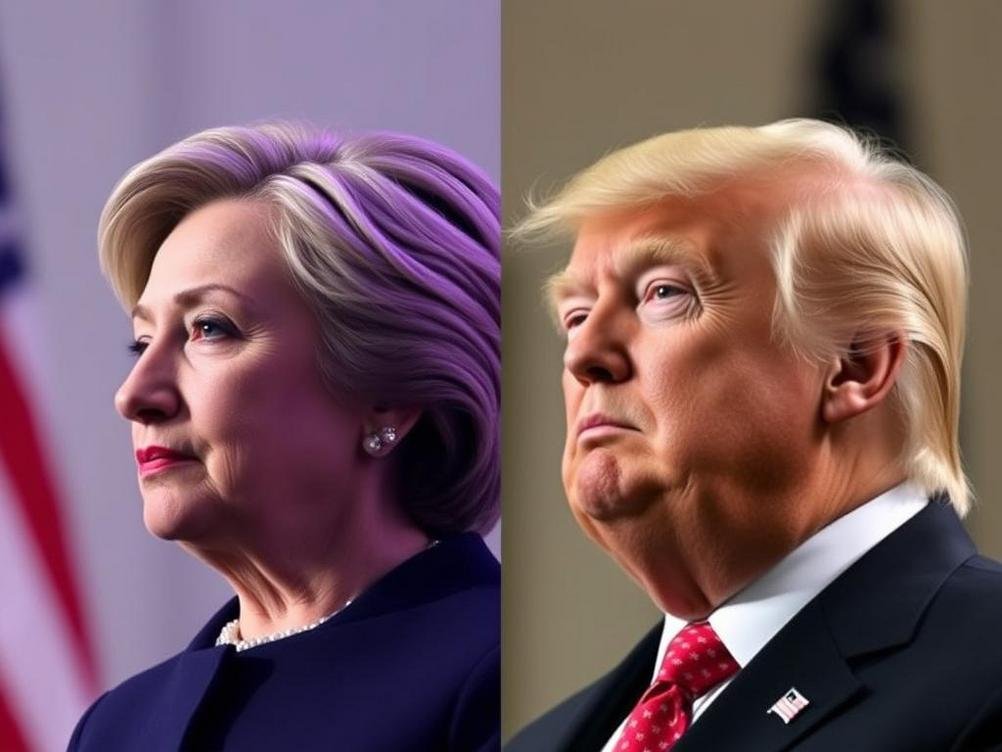
How AI Pulled Off the Ultimate Clinton-Trump Deepfake Prank – And Why It’s Scary Hilarious
Imagine scrolling through your feed and stumbling upon a video where Hillary Clinton and Donald Trump are suddenly best buds, sharing a laugh over coffee or plotting world domination together. Sounds wild, right? Well, that’s exactly what happened when AI got its hands on some old footage and turned it into a viral sensation that had everyone second-guessing reality. This isn’t just some tech geek’s pet project; it’s a real story involving Manjeet Rege, a sharp-minded expert who broke down how AI can fabricate videos that look eerily convincing. If you’ve ever wondered if what you see online is real or not, buckle up because we’re diving into the chaotic world of deepfakes and why they’re both fascinating and a total headache. Think about it – in a time when memes rule the internet, AI is basically the ultimate Photoshop on steroids, blurring the lines between truth and fiction. We’ll explore how this Clinton-Trump mashup went viral, what Manjeet Rege had to say about it, and what it means for all of us in this era of digital trickery. By the end, you might just start eyeing every video with a healthy dose of skepticism, and hey, maybe even laugh at how ridiculous it all is. Let’s unpack this mess, shall we?
What Even is a Deepfake, and Why Should You Care?
Okay, let’s start with the basics because not everyone’s a tech whiz. A deepfake is basically AI’s way of playing dress-up with videos, swapping faces, voices, or even entire scenes to make something look legit that totally isn’t. It’s like when you were a kid photoshopping your head onto a celebrity’s body for fun, but way more advanced and way scarier. Manjeet Rege, who’s this AI researcher and professor at the University of St. Thomas, recently spilled the beans on how these things get made, especially in that infamous Clinton-Trump video that blew up online. If you haven’t seen it, picture Trump and Clinton in a fake chat that never happened – it’s creepy how real it looks.
Why should you care? Well, for one, deepfakes can mess with elections, spread fake news, or even ruin someone’s reputation faster than a cat video goes viral. Rege points out that it’s all thanks to machine learning algorithms that study tons of real footage and then generate new stuff that mimics it perfectly. It’s not magic; it’s math, but the results are straight out of a sci-fi flick. Think about how this could affect your everyday life – like if a deepfake video of your favorite influencer promoting a shady product goes viral, you might fall for it hook, line, and sinker. To keep it light, it’s kind of like AI is the ultimate prankster, but with the potential to cause real-world chaos.
And here’s a quick list of what makes deepfakes tick:
- Machine learning models that analyze facial expressions and movements from existing videos.
- Huge datasets of public footage, often scraped from sources like YouTube (youtube.com), to train the AI.
- Tools like DeepFaceLab or Faceswap, which are open-source and surprisingly easy to use if you’ve got the tech know-how.
The Wild Story of That Clinton-Trump Video Gone Viral
Now, let’s get to the juicy part – the actual video that had the internet in a frenzy. Back in the day, some clever (or maybe mischievous) folks used AI to stitch together footage of Clinton and Trump, making it seem like they were having a cordial conversation or even debating in a way that never happened. Manjeet Rege highlighted this in a recent interview, explaining how the video was probably created using generative adversarial networks (GANs), which are these AI systems that pit two algorithms against each other to create hyper-realistic fakes. It’s like a digital arms race, but for fooling your eyes.
What made this one go viral? Well, timing is everything. Drop something like that during an election cycle, and it’s bound to explode. People shared it because it was shocking, funny, and a little too believable – Trump and Clinton teaming up? That’s nightmare fuel for some, comedy gold for others. Rege’s take was spot-on: it shows how accessible these tools have become, even for folks without a PhD in computer science. I mean, you could be sitting at home with your laptop, cranking out a deepfake that fools your friends. But here’s the thing, it’s not all laughs; this video racked up millions of views and sparked debates about misinformation, proving that AI isn’t just for cool effects in movies anymore.
To put it in perspective, compare this to other viral deepfakes, like that one where Tom Cruise was impersonated so well it had everyone scratching their heads. It’s a reminder that we’re living in an age where videos aren’t trustworthy just because they look real. If you want to dive deeper, check out Rege’s insights on platforms like the University of St. Thomas website (stthomas.edu).
Manjeet Rege’s Insights: Breaking Down the AI Magic
Manjeet Rege isn’t just some random name; he’s a professor and AI expert who’s been dissecting these tech trends for years. In his discussions about the Clinton-Trump video, he explained how AI fabricates these fakes by learning from patterns in real videos. It’s like teaching a kid to draw by showing them a bunch of pictures – eventually, they start creating their own versions. Rege pointed out that the key is in the data; the more footage AI has, the better it gets at mimicking expressions, lip-syncing, and even body language.
What I love about Rege’s approach is how he makes it relatable. He doesn’t bury you in jargon; instead, he uses everyday examples, like comparing AI to a really good impersonator at a party. For the Clinton-Trump vid, he noted that the creators likely used tools that analyze and swap facial features frame by frame. It’s impressive, but also a wake-up call. As Rege puts it, “AI is democratizing creativity, but it’s also democratizing deception.” Spot on, right? If you’re into this stuff, his work really highlights the double-edged sword of technology.
- Rege emphasizes the role of ethical AI development to prevent misuse.
- He suggests regulations, like watermarking AI-generated content, to help users identify fakes.
- According to some stats from a 2024 report by the Brookings Institution (brookings.edu), deepfakes have increased by over 200% in the last two years alone.
The Real Dangers of AI in Spreading Misinformation
Look, AI deepfakes aren’t just harmless fun; they can wreak havoc. Take the Clinton-Trump video – if people believed it was real, it could sway public opinion or even incite arguments. Manjeet Rege warns that this is just the tip of the iceberg, with potential for deepfakes to influence elections, spread propaganda, or damage personal lives. It’s like opening a Pandora’s box; once it’s out there, good luck putting it back.
In a world where social media is king, these fakes can go viral in minutes, reaching millions before anyone fact-checks. Rege mentions how AI lowers the barrier for bad actors, making it easier than ever to create convincing lies. For instance, imagine a deepfake of a world leader saying something outrageous – that could lead to real-world conflicts. It’s not just about politics; think about celebrities getting dragged through the mud over fake scandals. Statistics from organizations like deepfake.report show that deepfake-related incidents have jumped 900% since 2020.
To combat this, we need better education. Here’s a simple list of steps you can take:
- Always verify sources before sharing videos.
- Use tools like InVID from the EU’s fact-checking network (ec.europa.eu) to analyze video authenticity.
- Stay informed about AI advancements through reliable news outlets.
How to Spot These Sneaky AI Creations in the Wild
So, you’re probably thinking, “Great, how do I not get fooled?” Well, Manjeet Rege has some practical tips. First off, look for inconsistencies, like weird lighting, mismatched lip movements, or expressions that don’t quite match the audio. It’s like spotting a bad actor in a low-budget film – if something feels off, it probably is. Rege suggests paying attention to details, such as unnatural blinking or background elements that don’t sync up.
Another way is to use online detectors; there are apps and websites that can scan videos for AI tampering. For example, tools from Microsoft (microsoft.com) or Google’s deepfake detection projects can help. Rege points out that as AI gets smarter, so do the detectors, but it’s an ongoing cat-and-mouse game. Imagine it like trying to catch a chameleon in a forest – tricky, but not impossible with the right eyes.
Let’s break it down with a real-world example: In the Clinton-Trump video, eagle-eyed viewers noticed the audio didn’t perfectly align with mouth movements, which was a dead giveaway. Keep an eye out, and you’ll be a step ahead.
The Future of AI: What’s Next and How to Stay Ahead
Looking forward, Manjeet Rege believes AI will only get better at creating deepfakes, but that doesn’t mean we’re doomed. Innovations in AI ethics and regulations could help, like implementing digital watermarks or AI that flags suspicious content automatically. It’s a wild ride, but if we play our cards right, we can turn this into something positive, like using AI for education or entertainment without the deception.
Rege’s optimistic take is that as long as we keep talking about it, we can adapt. For instance, schools are starting to teach kids about media literacy, which is crucial in 2025. Think about it – in a few years, we might have AI that’s designed to detect and counter fakes in real-time, making the internet a safer place. But hey, let’s not forget the fun side; AI could create amazing art or personalized videos that actually bring joy.
Conclusion
In wrapping this up, the story of that AI-fabricated Clinton-Trump video, as explained by Manjeet Rege, is a perfect example of how tech can both amaze and alarm us. It’s a reminder to stay vigilant, question what we see, and maybe even laugh at the absurdity of it all. As AI continues to evolve, let’s push for responsible use and better tools to fight misinformation. Who knows, with a bit of humor and a lot of awareness, we can navigate this digital jungle without getting lost. So, next time you see something fishy online, take a second look – your future self will thank you.