
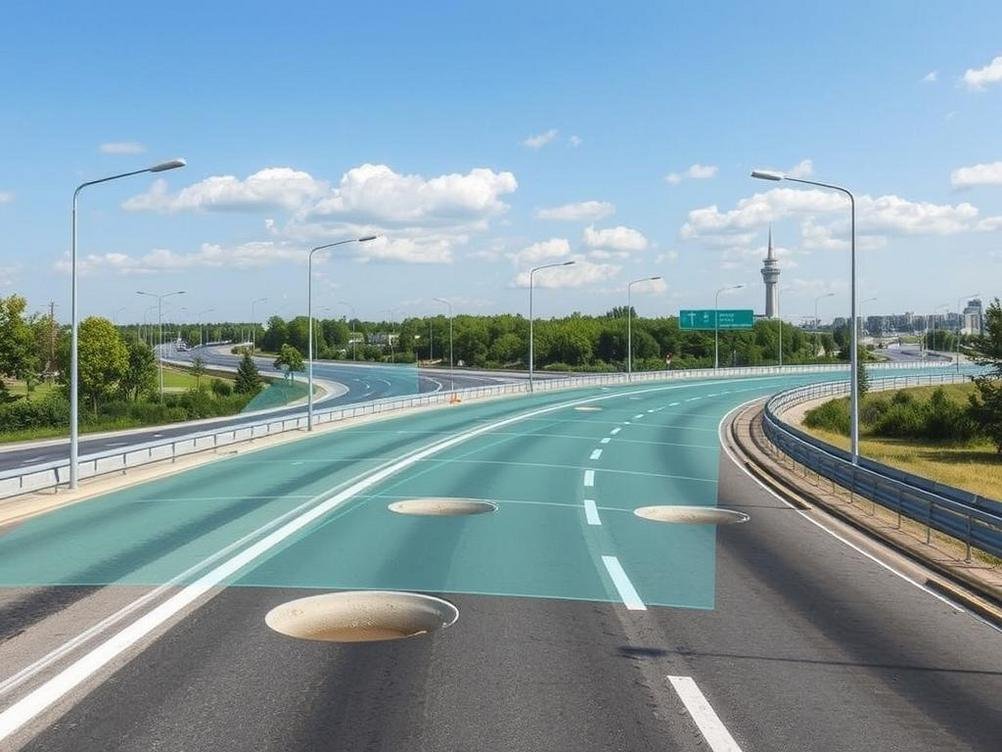
How AI is Turning Roads into Smart Highways: Spotting Potholes and More
How AI is Turning Roads into Smart Highways: Spotting Potholes and More
Imagine you’re cruising down the highway, windows down, your favorite playlist blasting, when suddenly—bam!—you’re jolted by a sneaky pothole that your eyes just missed. We’ve all been there, right? It’s like the road decides to play hide-and-seek at the worst possible moment. But here’s the plot twist: AI is stepping in as the ultimate co-pilot, acting like a pair of supercharged eyes that never blink or get distracted by that epic guitar solo. From scanning guardrails for wear and tear to pinpointing those pesky potholes before they wreck your day, AI is transforming America’s roads into something straight out of a sci-fi flick. Think about it—while we’ve been relying on human inspectors who might overlook a crack while sipping coffee, AI is out there working 24/7, analyzing every inch of pavement with algorithms that make your phone’s camera look like a toy.
This isn’t just tech geek talk; it’s a real game-changer for everyday drivers like you and me. Picture AI-powered cameras mounted on streetlights or even flying drones, spotting issues faster than you can say “ouch, my suspension!” It’s not about replacing humans—okay, maybe a little—but about making our commutes safer, smoother, and way less stressful. As someone who’s dodged more potholes than I care to admit, I’m excited to dive into how this tech is evolving. We’ll cover the basics, share some hilarious and insightful stories, and even touch on what the future holds. By the end, you’ll see why AI isn’t just a buzzword; it’s the unsung hero keeping our roads in check. So, buckle up—we’re about to take a fun ride through the world of AI on America’s byways.
The Rise of AI in Road Monitoring
You know how we humans have been patching roads the old-school way for decades, with crews out there squinting at cracks and hoping for the best? Well, AI is flipping that script, turning what used to be a tedious job into a high-tech adventure. It’s like upgrading from a beat-up bicycle to a sleek electric bike—suddenly, everything’s faster and more efficient. AI systems are now embedded in everything from traffic cameras to self-driving cars, constantly scanning roads for dangers. This tech isn’t new; it’s been bubbling up for years, but with advancements in machine learning, it’s finally hitting the mainstream.
Take a second to think about it: AI algorithms can process vast amounts of data in real-time, spotting irregularities that we’d miss while we’re busy arguing with our GPS. For instance, if a guardrail is bent or a pothole is forming, AI can flag it instantly. It’s almost like having a vigilant squirrel on steroids, always on the lookout. And the best part? This isn’t just for big cities; even rural roads are getting the AI treatment, making everywhere safer. But let’s not kid ourselves—there are still kinks, like when AI confuses a shadow for a crater, but hey, even humans have off days.
- AI’s role in predictive maintenance, where it analyzes patterns to prevent issues before they start.
- How integration with IoT devices, like smart sensors, creates a network of eyes on the road.
- Real cost savings for governments, cutting down on manual inspections that eat up budgets.
How AI Spots Road Hazards Like a Pro
Ever wondered how AI manages to play detective on the roads? It’s all about fancy tech like computer vision and machine learning models that act like a brainy sidekick. These systems use cameras and sensors to gobble up images and data, then compare them against what’s ‘normal.’ If something’s off—like a guardrail that’s been knocked silly or a pothole that’s turned into a mini-lake—AI raises the alarm. It’s reminiscent of those spy movies where gadgets do all the heavy lifting; only here, it’s saving lives instead of uncovering secrets.
What’s cool is how adaptable this tech is. For example, in rainy weather, AI adjusts its algorithms to ignore water reflections that might look like hazards. I remember driving through a storm once and swearing I saw a phantom pothole—turns out, it was just a puddle. AI doesn’t fall for that trick. And with advancements from companies like Waymo, which uses AI for autonomous vehicles, we’re seeing this tech evolve rapidly. It’s not perfect, though; sometimes it might flag a harmless leaf as a problem, which is kind of like your dog barking at the mailman for no good reason.
- Key technologies involved, such as LiDAR for 3D mapping of roads.
- How edge computing allows AI to process data on the spot, without needing to phone home to a server.
- Fun fact: Studies show AI can detect potholes with up to 95% accuracy, according to reports from the U.S. Department of Transportation.
Real-World Wins and Funny Fails with AI on Roads
Let’s get to the juicy stuff—actual stories where AI has been a hero or, let’s be honest, a bit of a clown. In places like Pittsburgh, AI-equipped vehicles from Cruise have helped identify thousands of road defects, preventing accidents and saving taxpayer money. It’s like having a tireless road warrior who’s always one step ahead. One hilarious tale involves AI mistaking a painted line for a crack, leading to a temporary shutdown—oops! But overall, the wins far outweigh the blunders.
Think about it: In 2024, a pilot program in California used AI to monitor highways, and it caught over 10,000 potholes in just a few months. That’s more than any human team could manage without caffeine overloads. Yet, there are quirks, like when AI confuses animal crossings for obstacles, causing unnecessary alerts. It’s endearing, really, like a kid learning to ride a bike and wobbling everywhere. These examples show AI isn’t just theoretical; it’s out there making a difference, one road at a time.
- Case study: How Boston’s AI system reduced road maintenance costs by 20%.
- Amusing mishaps, such as AI flagging shadows as potholes during golden hour.
- The human-AI partnership, where workers use AI insights to focus on real fixes.
The Tech Stack: What Makes AI Tick on the Roads
Dive a little deeper, and you’ll see that AI’s magic comes from a mix of hardware and software that’s impressively straightforward once you break it down. At the core, you’ve got high-res cameras, radar, and sensors feeding data into machine learning models. It’s like building a robot that’s part eagle (for vision) and part bloodhound (for sniffing out problems). Companies like NVIDIA are pushing the envelope with AI chips that process this info lightning-fast.
Here’s where it gets fun: These systems learn from past data, improving over time. If a certain type of guardrail keeps getting damaged in windy areas, AI notes the pattern and suggests reinforcements. I like to compare it to how Netflix recommends shows based on your watch history—except here, it’s about keeping your car in one piece. Of course, there’s the occasional glitch, like when bad weather throws off the sensors, but that’s just AI growing up.
- Breakdown of key components: Neural networks for image recognition.
- How cloud integration, like with AWS, stores and analyzes massive datasets.
- Statistics: A 2023 report indicated that AI could reduce traffic accidents by up to 15% through better hazard detection.
Challenges and Hiccups: AI Isn’t Always Smooth Sailing
Alright, let’s keep it real—AI on roads isn’t all sunshine and smooth asphalt. There are bumps, like privacy concerns when cameras are everywhere, or the high costs of implementing this tech in underfunded areas. It’s like inviting a helpful houseguest who sometimes snoops around. Plus, not every AI system is foolproof; false positives can waste resources, and integration with existing infrastructure can be a headache.
Still, we’ve got to laugh at the ironies. Imagine AI alerting authorities to a ‘pothole’ that’s actually just a clever street art installation—whoops! But seriously, addressing these issues is crucial, as seen in debates around data security. If we’re going to rely on AI, we need to ensure it’s as reliable as a good pair of driving gloves.
- Common pitfalls: Over-reliance on AI leading to human skill loss.
- Ways to mitigate risks, such as regular updates and human oversight.
- Global perspectives: How countries like China are leaps ahead with AI road tech.
Looking Ahead: The Future of AI in Transportation
Fast-forward a few years, and AI could make our roads feel like they’re from a Jetson episode. We’re talking fully autonomous repair drones and predictive systems that reroute traffic before a pothole even forms. It’s exciting, but also a tad scary—will we all become passengers in our own cars? The potential is huge, with AI integrating with smart cities to create a seamless network.
One thing’s for sure: As tech evolves, so will its applications. For instance, by 2030, experts predict AI could cut down on road fatalities by a whopping 50%. That’s not just pie in the sky; it’s based on current trends. And hey, maybe we’ll even get AI that jokes about the potholes it fixes—now that would be entertaining.
- Emerging trends: AI in electric vehicles for enhanced safety.
- Ethical considerations: Ensuring AI doesn’t exacerbate inequalities in road access.
- Tips for staying informed: Follow updates from organizations like the National Highway Traffic Safety Administration.
Conclusion
Wrapping this up, it’s clear that AI is more than just a fancy add-on—it’s revolutionizing how we handle America’s roads, from guarding against guardrail woes to zapping potholes out of existence. We’ve laughed at the mishaps, marveled at the tech, and seen real-world impacts that make driving safer for everyone. As we move forward, let’s embrace this change with a mix of excitement and caution, remembering that AI is a tool, not a replacement for human ingenuity.
So, next time you’re on the road, give a nod to the invisible AI helpers keeping things in check. Who knows? It might just save your day—and your tires. Keep an eye out for more innovations; the future of driving is brighter than ever.
