dailytech.ai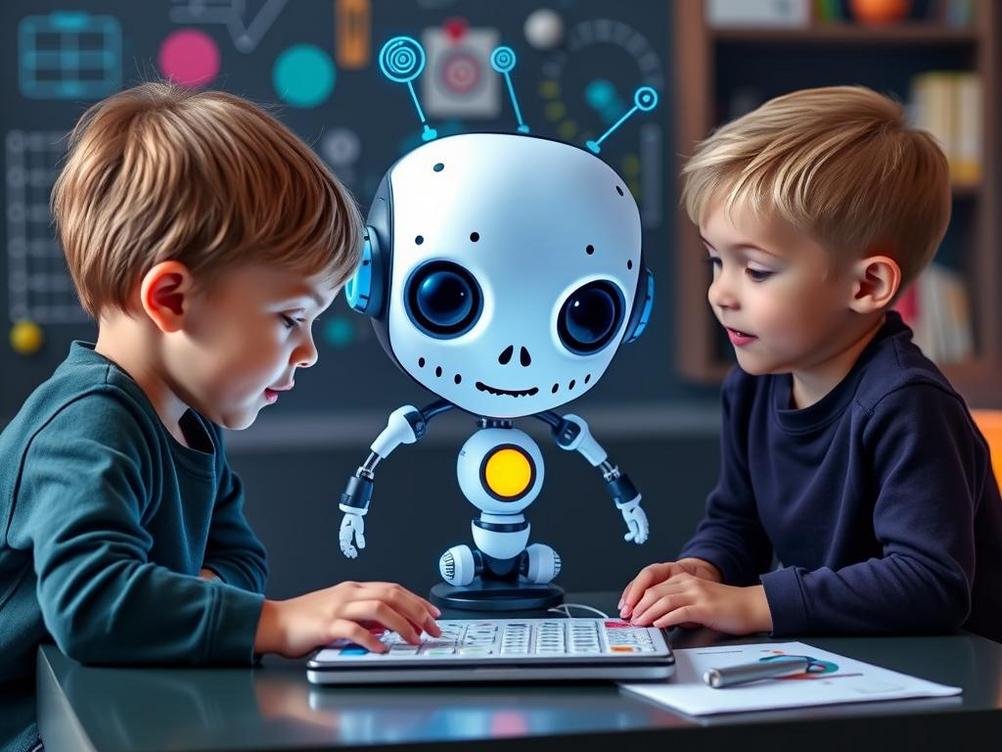
Why AI for Kids Isn’t as ‘Alright’ as It Seems – A Lighthearted Look
Okay, let’s kick things off with a confession: I’m no stranger to getting hyped about the latest tech gadgets, especially when they’re aimed at kids. Remember those old commercials for educational toys that promised to turn your toddler into a genius overnight? Well, fast-forward to today, and AI is basically the shiny new version of that. But here’s the thing – while everyone’s buzzing about how AI chatbots and smart apps are going to revolutionize childhood, I’m starting to wonder if we’re overlooking the messier side of it all. Picture this: a kid glued to a screen, chatting with an AI ‘friend’ that’s spitting out facts faster than a caffeinated squirrel, but is any of it actually helping them grow? Not always, and that’s what we’re diving into today. We’re talking about the hype, the hiccups, and why sometimes, less screen time might just mean more real-life adventure. Stick around, because I’ll share some laughs, a few eye-opening stories, and tips that could make you rethink how we introduce AI to the little ones in our lives. After all, in a world where technology is everywhere, it’s worth asking: are we setting kids up for success or just another digital distraction?
This isn’t about bashing AI – far from it. I mean, who doesn’t love seeing a robot teach math in a fun way? But as someone who’s dabbled in tech writing for years, I’ve seen how quickly the shine wears off. Take my neighbor’s kid, for example; he was obsessed with an AI learning app that promised to make homework a breeze. At first, it was all giggles and high scores, but then came the meltdowns when the WiFi went out or the app got something wrong. It’s like relying on a magic genie that’s only half-reliable. We’re living in an era where AI is in classrooms, toys, and even bedtime stories, but is it really making kids ‘all right’? Spoiler: not always. We’ll explore the good, the bad, and the kinda funny parts, backed by real examples and a dash of common sense, so you can decide for yourself if AI’s role in kid’s lives needs a reality check.
The Allure of AI: Why Everyone’s Jumping on the Bandwagon
You know how kids get wide-eyed over a new video game? Well, AI is like that, but on steroids. It’s everywhere these days – from apps that turn storytime into an interactive adventure to robots that supposedly teach empathy. Parents love it because it feels like a shortcut to smarter kids, and companies are pushing it hard with promises of personalized learning. But let’s be real, it’s not all magic. I remember when my niece got her first AI tablet; she was over the moon, chatting with virtual characters that adapted to her level. It’s cool, sure, but it’s also easy to see why folks get sucked in – who wouldn’t want a tool that makes education feel like play?
Still, there’s a flipside. AI’s appeal often stems from how it mimics human interaction, using algorithms to respond in ways that feel personal. Think about tools like Google’s educational AI or even simple chatbots on learning platforms (like the ones on educationalai.google.com). They can adapt to a child’s pace, which is genius for keeping things engaging. But here’s a quirky thought: if AI is so great at being a friend, does that mean we’re outsourcing the job of actual parenting? It’s like hiring a robot babysitter – convenient, but does it build real connections? In my experience, kids need that human touch, the kind that can’t be coded.
To break it down, here’s a quick list of what makes AI so tempting for kids:
- Personalized experiences that adjust to a child’s interests and skill level, making learning less of a chore.
- Endless access to info, like having a know-it-all pal in your pocket – perfect for curious minds.
- Fun elements, such as games and voices that keep kids hooked longer than a traditional book.
- Potential for tracking progress, which helps parents feel like they’re on top of things.
The Hidden Dangers: When AI Goes from Helper to Headache
Alright, let’s get to the nitty-gritty – because not everything that glitters is gold. AI for kids sounds fantastic on paper, but dig a little deeper, and you’ll find some real pitfalls. For starters, there’s the privacy issue; these apps collect data like it’s going out of style, tracking everything from your kid’s searches to their emotional responses. I read a report from a few years back that said over 50% of kids’ apps share personal info without clear consent – yikes! It’s like inviting a stranger into your living room and handing them your diary. Sure, it’s helpful, but at what cost?
Then there’s the accuracy problem. AI isn’t perfect; it can spew out misinformation faster than you can say ‘oops.’ Imagine a kid learning history from an AI that mixes up facts – suddenly, they’re convinced dinosaurs roamed with humans. It’s happened before, with tools like certain language models getting basic details wrong. And don’t even get me started on screen addiction; studies show that excessive use can lead to shorter attention spans. A metaphor for this? It’s like feeding a kid candy for dinner – fun at first, but it messes with their health in the long run.
To make this clearer, let’s list out some common risks:
- Data breaches and privacy leaks that could expose kids to online dangers.
- Inaccurate information leading to confusion or bad habits in learning.
- Over-reliance on tech, which might stunt social skills – ever seen a playground full of kids staring at screens instead of playing tag?
- Potential for cyberbullying through AI interactions, as some platforms aren’t as moderated as they should be.
How AI is Shaking Up Education: The Good, the Bad, and the LOL-Worthy
Education is where AI really flexes its muscles, but it’s a mixed bag. On one hand, platforms like Duolingo or Khan Academy’s AI features (check out khanacademy.org/ai) make learning languages or math feel like a game. My friend’s son went from dreading homework to acing tests, all thanks to adaptive AI that repeated lessons until they clicked. It’s inspiring, right? But here’s the humor in it: AI can be so robotic that it strips away the joy of discovery. Who wants a computer grading your creativity when a teacher’s feedback feels more human?
Statistics back this up – a 2023 study from UNESCO found that while AI boosts test scores by up to 15% in some cases, it also correlates with a drop in critical thinking skills if overused. Think about it: if kids are always getting step-by-step guidance, when do they learn to problem-solve on their own? It’s like using a GPS for every walk; sure, you won’t get lost, but you’ll never stumble upon hidden gems.
And for a real-world insight, consider how schools are integrating AI chatbots for tutoring. They save time, but I’ve heard stories of kids arguing with the bot over answers, leading to frustration. It’s almost comical, like debating with a stubborn parrot.
Fun Alternatives: Keeping It Real Without the Screens
If AI’s got you worried, don’t fret – there are plenty of old-school ways to keep kids engaged that won’t involve a single byte of data. Remember building forts out of blankets or playing outdoors? Those activities build imagination in ways AI can’t touch. For instance, instead of an AI storytelling app, try telling tales yourself with silly voices and twists. It’s cheaper, more personal, and honestly, way more fun.
Take it from me; I’ve tried swapping screens for stuff like art projects or board games, and the results are eye-opening. A study from the American Academy of Pediatrics suggests that unstructured play boosts emotional development by 20%. Plus, it’s hilarious watching kids invent their own games – no algorithm required. If you’re looking for ideas, here’s a list to get started:
- Nature walks that turn into treasure hunts, sparking curiosity without tech.
- DIY science experiments with household items, like making volcanoes from baking soda.
- Reading sessions with physical books, where you can pause and chat about the story.
- Group sports or puzzles that encourage teamwork and problem-solving.
What Parents and Teachers Can Do: Stepping in Before It Gets Out of Hand
As a parent or teacher, you hold the reins here, and it’s easier than you think to balance AI’s role. Start by setting limits – like no devices during dinner or playtime. I know, it sounds basic, but trust me, it works. One family I know implemented ‘tech-free Tuesdays,’ and their kids started reading more and even invented their own games. It’s about creating boundaries so AI doesn’t take over.
Another tip: educate yourself on the tools. Check reviews and settings on apps before handing them over. For example, tools like Common Sense Media (commonsensemedia.org) rate kid-friendly tech, helping you spot red flags. And hey, mix in conversations about what they’re learning; it’s a chance to bond and correct any AI mishaps with real insights.
Real Stories and Examples: Lessons from the Front Lines
Let’s get personal for a sec. I’ve got a cousin whose daughter used an AI app for homework, and at first, it was a game-changer. But then, the kid started copying answers without understanding them, leading to struggles in class. It’s a cautionary tale that shows how over-dependence can backfire. In broader terms, news stories from 2024 highlighted how AI in schools sometimes widened the gap for underprivileged kids without access to the tech.
Comparatively, some success stories exist, like programs in Europe using AI for special needs education, adapting lessons for kids with learning differences. But even there, experts emphasize the need for human oversight. It’s all about balance – like adding spice to a recipe; too much ruins the dish.
Conclusion: Wrapping It Up with a Smile and Some Advice
In the end, AI for kids isn’t the villain, but it’s not the hero we sometimes make it out to be. We’ve covered the excitement, the risks, and everything in between, and what stands out is that while tech can enhance learning, it’s the human elements – laughter, mistakes, and real interactions – that truly shape a child’s world. So, next time you’re tempted to hand over that AI gadget, think about mixing it with good old-fashioned play. Who knows, you might just create memories that last a lifetime instead of just another app download. Let’s keep pushing for smarter, not just more tech-savvy, kids – alright?
Remember, the goal is to nurture curious minds without losing the magic of childhood. If this sparked any thoughts, share your stories in the comments – I’d love to hear how you’re navigating this AI adventure.