dailytech.ai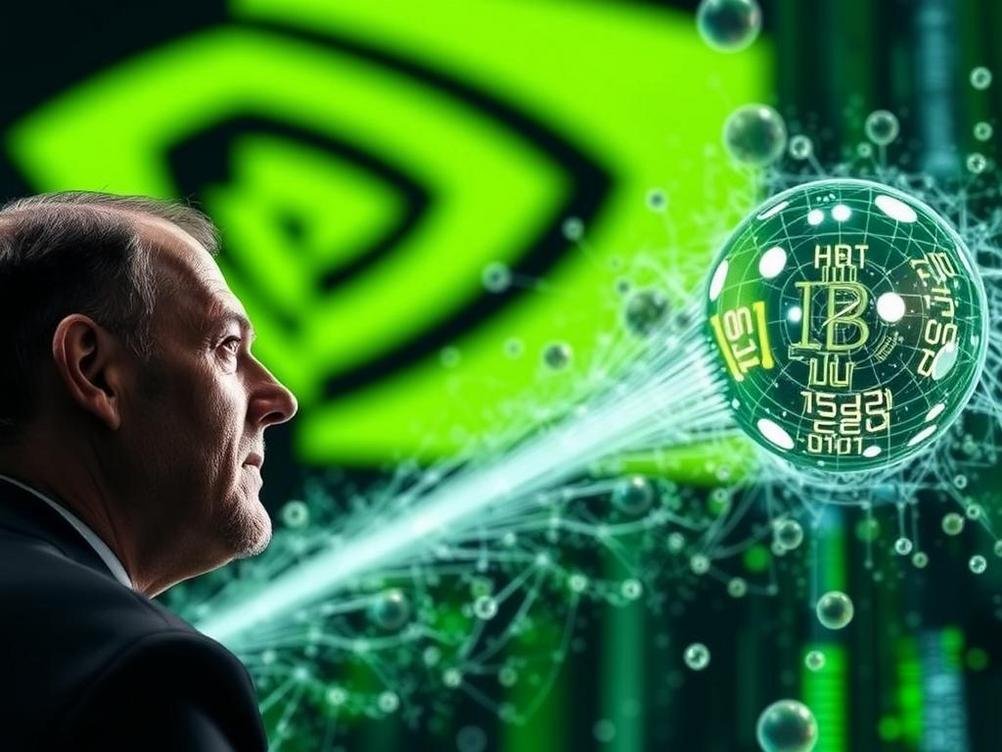
Why Nvidia is Calling BS on Michael Burry’s AI Bubble Hype – And What It Means for Us
Ever heard of that scene in The Big Short where Michael Burry bets against the housing market and ends up looking like a genius? Well, fast-forward to today, and the guy who nailed the 2008 crash is back in the spotlight, throwing shade at the AI industry. But Nvidia, the tech giant that’s basically printing money with its GPUs, isn’t having any of it. They’re firing back at Burry’s claims of an overinflated AI bubble and some sketchy accounting practices. It’s like watching a heavyweight boxing match, but instead of punches, it’s all about stock prices and spreadsheets. If you’re into tech, investing, or just love a good drama, this showdown raises a bunch of questions: Is AI really in a bubble that’s about to pop? Or is this just the naysayers trying to rain on the parade of innovation? Let’s dive in, because honestly, who doesn’t get a kick out of seeing billionaires duke it out over the future of tech? I’ve been following this stuff for years, and it’s wild how quickly things can flip from ‘game-changer’ to ‘overhyped mess.’ We’re talking about companies like Nvidia that are reshaping everything from gaming to healthcare, so if Burry’s right, it could mean a shakeup for your portfolio or even the apps on your phone. Stick around, and I’ll break it all down in a way that’s more entertaining than a TED Talk – no fancy jargon, just straight talk with a side of humor.
What Exactly Did Michael Burry Say?
You know, Michael Burry isn’t exactly the type to mince words. This is the dude who predicted the subprime mortgage crisis way back when, making a fortune off it, so when he starts yelling about an AI bubble, people listen – or at least they should. Burry recently took to social media and investor letters to call out what he sees as massive overvaluation in AI stocks. He’s pointing fingers at companies like Nvidia, claiming their rapid growth is built on shaky foundations, like faulty accounting that hides the real risks. It’s like he’s saying, ‘Hey, remember that time everyone thought tulip bulbs were worth a fortune? This feels awfully similar.’ Burry argues that the AI hype is driving prices through the roof without the substance to back it up, potentially leading to a crash that could wipe out billions.
But let’s not paint him as a total doom-monger. From what I’ve read, Burry’s concerns stem from his deep dives into financial statements, where he spots things like aggressive revenue recognition or over-reliance on a few big clients. For example, he might look at Nvidia’s earnings and think, ‘Wait a minute, a lot of this is coming from hyped-up deals with tech giants like Microsoft or Google – what happens if those dry up?’ It’s a valid point, and it’s got me wondering if we’re all just caught up in the excitement. To put it in perspective, think about the dot-com bubble in the late ’90s; companies with ‘.com’ in their name were skyrocketing, only for most to fizzle out. Burry’s basically asking if AI is the next big flop or if it’s genuinely revolutionary.
- Key claim: Overvaluation of AI stocks due to speculative investing.
- Evidence: Burry points to accounting practices that might inflate numbers, like front-loading revenue from long-term contracts.
- Real-world parallel: Similar to how Enron cooked the books before it all came crashing down.
Nvidia’s Fiery Comeback: What They’re Saying
Oh, man, Nvidia didn’t just respond – they came out swinging. In a series of statements and earnings calls, the company’s CEO, Jensen Huang, basically laughed off Burry’s accusations, calling them misguided and based on outdated views of the industry. Huang’s all like, ‘We’ve got the data, the tech, and the demand to back us up,’ emphasizing how AI is driving real, tangible growth. It’s hilarious because Nvidia’s stock has been on fire lately, thanks to their dominance in GPU tech for everything from crypto mining to AI training. So, when Burry calls it a bubble, Nvidia’s retort is essentially, ‘Prove it, buddy.’ They argue that their accounting is solid and audited by the big dogs like Deloitte (you can check their financials on the Nvidia investor site if you’re curious), and that the AI boom is just getting started.
What’s funny is how Nvidia flipped the script by highlighting their successes. They’ve pointed to partnerships with folks like OpenAI and massive demand for their chips in fields like autonomous driving and medical imaging. It’s like they’re saying, ‘This isn’t a bubble; it’s the future.’ And honestly, who can argue when you’ve got stats like Nvidia’s revenue jumping 200% year-over-year? But Burry’s not wrong to question it – every gold rush has its skeptics. If you’re an investor, this back-and-forth is a reminder to do your homework, not just chase the hype.
- Nvidia’s defense: Strong financials and growing demand prove stability.
- Examples: Their A100 and H100 chips are powering AI breakthroughs, as seen in projects like Google’s Bard or Meta’s AI tools.
- Humor twist: It’s like David vs. Goliath, but Goliath is a tech behemoth with better PR.
Is There Really an AI Bubble Brewing?
Alright, let’s get to the meat of it: Is AI in a bubble, or is this just growth pains? Burry thinks we’re in over our heads, comparing it to the irrational exuberance of past manias. He’s got a point – AI stocks have soared, with Nvidia’s market cap hitting trillions, but is that sustainable? From what I’ve seen, a lot of AI tech is still in its infancy, like trying to teach a toddler to run a marathon. Sure, ChatGPT and similar tools are cool, but are they profitable yet? Burry argues no, and he’s got numbers to back it, like how many AI startups are burning cash without clear paths to profitability.
On the flip side, if you look at the data, AI is integrated into everything from your Netflix recommendations to cancer detection software. According to reports from Statista, the global AI market is projected to hit $1 trillion by 2030. That’s not bubble talk; that’s serious growth. But, as with any trend, there’s risk. I mean, remember the NFT craze? Everyone was buying digital monkeys, and then poof, it vanished. So, maybe Burry’s onto something, but Nvidia’s pushing back by showing real-world applications that are already paying off.
- Signs of a bubble: Rapid price increases without fundamentals.
- Counterpoints: AI’s driving efficiency in industries, potentially adding $15.7 trillion to the global economy by 2030, per PwC estimates.
- My take: It’s a mix – some parts are overhyped, others are legit.
The Role of Accounting in All This Drama
Accounting might sound as exciting as watching paint dry, but in this feud, it’s the sneaky villain. Burry’s beef is that companies like Nvidia are using creative accounting to make their numbers look rosier than they are. Things like recognizing revenue from multi-year deals upfront – it’s like counting your chickens before they hatch. I’ve dug into some reports, and while Nvidia’s practices aren’t illegal, they do raise eyebrows. For instance, if they’re booking big sales from cloud providers who might not pay up for years, that could mask underlying issues.
What’s ironic is that in the world of tech, this isn’t new. Think about how Apple or Amazon have navigated their books during growth spurts. Nvidia defends it by saying it’s standard practice and that their auditors sign off on it. If you’re into this stuff, check out the SEC filings on the SEC website – it’s eye-opening. The humor here? It’s like a magician’s trick; everyone knows it’s an illusion, but we still get wowed until the curtain falls.
Lessons from History: Bubbles That Burst and Ones That Didn’t
History doesn’t repeat itself, but it sure rhymes, right? We’ve seen bubbles before – the South Sea Bubble, the dot-com crash – and Burry’s waving those as red flags for AI. In the dot-com era, companies like Pets.com flamed out because they had no real business model. Is AI headed the same way? Nvidia says no, pointing to how their tech is already embedded in critical systems, unlike those flash-in-the-pan startups.
But let’s not forget the successes. The internet bubble burst, yet we ended up with Amazon and Google dominating. Maybe AI’s the same – a lot of noise, but some winners. For example, Tesla’s AI for self-driving cars has real potential, even if the stock’s volatile. It’s a reminder to investors: Don’t put all your eggs in one basket, especially if that basket is labeled ‘AI hype.’
What This Means for Everyday Investors
If you’re like me, sitting at home wondering if your retirement fund is safe, this Nvidia-Burry spat is a wake-up call. Burry’s claims might spook the market, leading to dips, but Nvidia’s resilience could mean it’s a buying opportunity. I remember when crypto crashed, and people who held on made bank later. So, how do you play this? Start by diversifying and not betting the farm on one stock.
Plus, with AI’s growth, there are safer ways in, like index funds or ETFs focused on tech. If Burry’s right and things pop, you’ll want a safety net. On the flip side, if Nvidia’s vision holds, we could be on the cusp of an AI-driven boom that changes everything from jobs to daily life.
Conclusion
In the end, the Nvidia vs. Burry showdown is more than just a corporate spat; it’s a mirror for the AI industry’s soul. While Burry’s warnings make us pause and check our investments, Nvidia’s counterattack reminds us that innovation often looks like madness until it doesn’t. Whether we’re in a bubble or not, one thing’s clear: AI isn’t going away, and it’s up to us to navigate it wisely. So, keep an eye on your portfolio, stay curious, and maybe laugh a little at the drama – after all, in the wild world of tech, the only constant is change. Who knows, by 2026, we might all be thanking Nvidia for keeping the lights on in this AI revolution.