dailytech.ai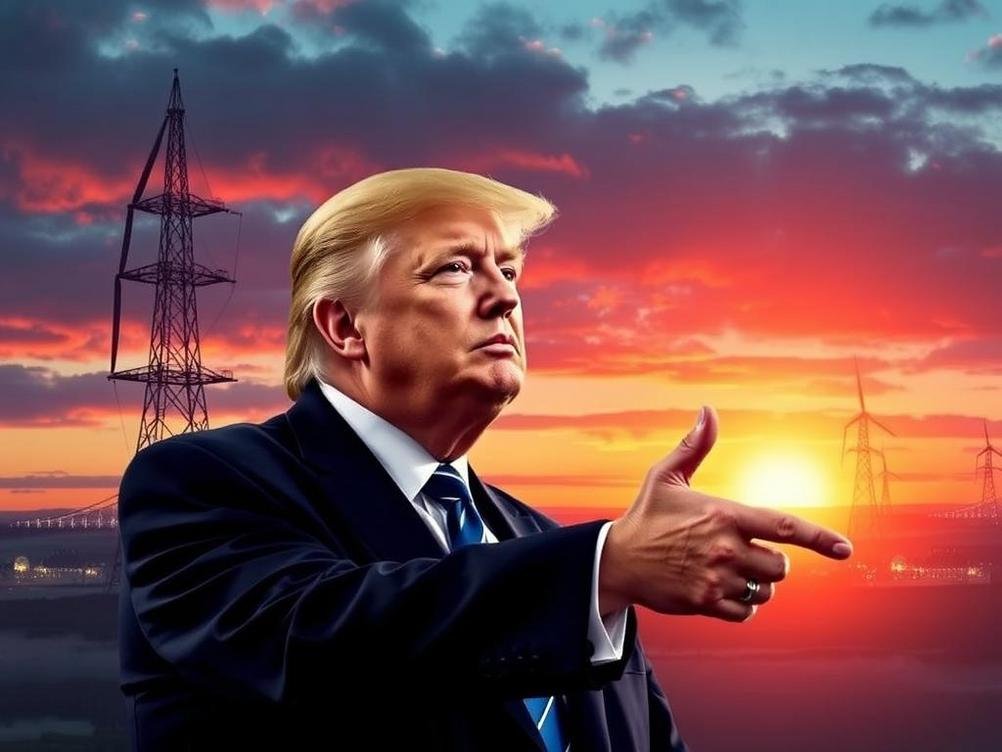
How Trump’s Bold AI and Energy Order Could Ignite the Next Wave of Innovation
Okay, let’s kick things off with a little story that might make you chuckle – remember when your old smartphone suddenly got that update and started doing all sorts of cool tricks, like predicting what you were about to type or turning your photos into art? Well, imagine that on a massive, national scale. That’s basically what former President Trump’s recent executive order on boosting AI and sparking energy breakthroughs is all about. Signed back in 2020 (and still rippling through policies as we chat in late 2025), this move was Trump’s way of saying, “Hey, America, let’s not just keep up with the tech race – let’s sprint ahead!” It’s got everyone from Silicon Valley suits to everyday folks buzzing about how AI could supercharge our energy sector and lead to some wild innovations. But here’s the thing: while it sounds like sci-fi straight out of a Marvel movie, it’s also got real-world implications that could change how we live, work, and even power our homes. Think about it – we’re talking faster electric cars, smarter grids that don’t crash during storms, and maybe even AI that helps us tackle climate change without sacrificing our Netflix binges. In this article, we’ll dive into the nitty-gritty of this order, why it’s a big deal, and what it means for you and me in a world that’s already spinning faster than a drone delivery service. So, grab a coffee, settle in, and let’s unpack this like we’re chatting over a backyard barbecue.
What Exactly Is This Executive Order All About?
You know, when I first heard about Trump’s executive order, I thought it was just another political headline that’ll fade away like last year’s viral meme. But dig a little deeper, and it’s clear this thing is packed with specifics. Issued in 2020, the order aimed to accelerate AI research and development while tying it directly to energy innovations. Essentially, it’s like giving the green light (pun intended) for federal agencies to pour resources into AI projects that could lead to breakthroughs in clean energy, grid reliability, and even nuclear tech. Trump wasn’t messing around – he wanted to cut through red tape and make sure the U.S. stays ahead of China and Europe in the AI arms race.
One cool aspect is how it encourages partnerships between the government, private companies, and academia. For instance, it pushes for things like advanced AI algorithms to optimize energy use, which could mean your home thermostat learns your habits and saves you money on bills. And let’s not forget the humor in it – imagine AI-powered robots fixing power lines during a blizzard; it’s like giving your vacuum cleaner a promotion to utility worker! According to reports from the White House at the time, the order was projected to mobilize billions in investments. If you’re curious for more details, check out the official archive on the White House website. All in all, it’s a mix of policy speak and practical steps that could reshape how we think about tech and energy.
To break it down simply, here’s a quick list of key elements from the order:
- Boosting federal funding for AI R&D focused on energy applications.
- Promoting collaborations with tech giants like Google and Microsoft to develop AI for renewable sources.
- Setting standards for AI safety and ethics in energy projects, because, let’s face it, we don’t want rogue algorithms causing blackouts.
- Encouraging workforce training so more people can jump into these high-tech jobs – think coding bootcamps for energy geeks.
Why Pairing AI with Energy Feels Like a Match Made in Tech Heaven
Alright, picture this: AI is like that super-smart friend who can predict the weather, optimize your shopping list, and even beat you at chess. Now, throw energy into the mix, and you’ve got a powerhouse duo. The idea behind Trump’s order is that AI isn’t just for fancy apps or social media algorithms; it can revolutionize how we produce and consume energy. For example, AI can analyze massive datasets from power grids to predict failures before they happen, saving utilities millions and keeping your lights on during a storm. It’s almost like giving Mother Nature a high-tech assistant to manage our resources better.
What’s really fun about this is the potential for metaphors – think of AI as the brain and energy as the body’s fuel. Without efficient energy, even the smartest brain fizzles out. By 2025, we’re seeing real-world examples, like how companies such as Tesla are using AI to enhance battery storage for solar power. A study from the International Energy Agency shows that AI could reduce global energy demand by up to 10% by 2030 through better efficiency. That’s not just numbers; it’s about making your electric bill less of a nightmare. And hey, if you’re into gadgets, imagine AI helping your home go off-grid with smart solar panels that adjust in real-time – it’s like having a personal energy wizard.
To put it in perspective, here’s why this pairing works so well:
- AI crunches data faster than you can say ‘renewable energy,’ helping identify waste in systems we use every day.
- It opens doors for breakthroughs, like fusion energy, which could provide limitless power – yeah, straight out of sci-fi novels.
- It’s a job creator; the U.S. Bureau of Labor Statistics projects AI-related roles in energy to grow by 20% in the next few years, giving a boost to tech-savvy millennials.
Potential Breakthroughs: What Wild Innovations Could We See?
Oh man, if this order pans out, we’re in for some serious ‘wow’ moments. Trump’s push for AI in energy could lead to breakthroughs like AI-optimized wind farms that adjust blades based on weather patterns, making them way more efficient. Or how about AI-driven predictive maintenance for power plants, spotting issues before they turn into costly disasters? It’s like having a crystal ball for energy production. By 2025, we’re already seeing prototypes, such as those from IBM’s Watson, which uses AI to forecast energy needs in real-time – pretty nifty if you ask me.
But let’s add a dash of humor: Imagine AI inventing a coffee machine that runs on wasted heat from your fridge – talk about a caffeinated revolution! Seriously though, experts from places like MIT predict that AI could accelerate the development of carbon capture tech, potentially cutting emissions by 15% worldwide. And if you’re a stats junkie, a report from McKinsey estimates that AI could add $13 trillion to the global economy by 2030, with a big chunk from energy sectors. It’s not all pie in the sky; these are tangible steps that could make energy cheaper and greener for everyone.
For a clearer picture, consider these potential wins:
- Smarter grids that handle more renewable sources without glitches, reducing reliance on fossil fuels.
- AI in electric vehicles that optimizes charging times, so you never run out of juice on a road trip.
- Advanced simulations for nuclear fusion, bringing us closer to that Star Trek-style energy source.
The Real Impact on Daily Life: Is This Going to Change How We Live?
Here’s where it gets personal – Trump’s order isn’t just for the bigwigs in Washington; it could tweak your everyday routine in sneaky ways. Think about AI making your home more energy-efficient, like automatically dimming lights when you’re not in the room or suggesting the best times to run your dishwasher based on grid demand. It’s like having a helpful roommate who’s also a genius. Fast-forward to 2025, and we’re seeing apps from companies like Google Nest that use AI to cut household energy use by up to 30%, saving families hundreds of bucks annually.
Of course, it’s not all sunshine and rainbows. There might be hiccups, like privacy concerns if AI starts snooping on your habits a bit too much. But on the flip side, it could make commuting easier with AI-optimized traffic systems powered by clean energy. I mean, who wouldn’t want less time stuck in traffic and more time enjoying that pumpkin spice latte? Real-world insights from the Energy Information Administration suggest that widespread AI adoption could stabilize energy prices, which is a win for your wallet during inflation spikes.
Breaking it down, here’s how it might affect you:
- Lower energy bills through smarter usage predictions – no more guessing games with your utilities.
- More reliable power during extreme weather, thanks to AI’s foresight – goodbye, candlelit dinners from outages.
- A greener planet, as AI helps shift to renewables, making it easier for families to adopt solar without the hassle.
Challenges and Hiccups: What’s the Catch in This Tech Dream?
Look, every great idea has its bumps, and Trump’s AI and energy order is no exception. For starters, rolling out these initiatives means dealing with regulatory headaches – like, how do we ensure AI doesn’t favor big corporations over small businesses? It’s a bit like trying to teach an old dog new tricks; the energy sector has been around for ages and isn’t always quick to adapt. Plus, there’s the ethical side: what if AI decisions lead to job losses in traditional energy fields? We could see resistance from unions and communities reliant on coal or oil.
Then there’s the funding fiasco – while the order called for investments, budget cuts and political shifts have slowed things down. By 2025, reports from sources like the Brookings Institution highlight that only about 60% of promised AI-energy projects are on track, partly due to supply chain issues. But hey, let’s keep it light: It’s like planning a road trip and hitting every detour – frustrating, but you still end up at the destination. To mitigate this, experts suggest international collaborations, such as with the EU’s AI Act, which you can read more about on the European Commission’s site.
Key challenges include:
- Cybersecurity risks, as more AI integrates with critical infrastructure – one glitch could cascade into a mess.
- Skill gaps in the workforce, needing programs to train people for these high-tech roles.
- Balancing innovation with environmental goals, ensuring AI doesn’t just create more e-waste.
Looking Ahead: What’s on the Horizon for AI and Energy?
As we wrap up 2025, Trump’s order is still influencing the scene, with new administrations building on it – or twisting it a bit. The future looks bright, with AI potentially unlocking energy sources we haven’t even dreamed of yet, like advanced geothermal tech. It’s like planting seeds for a forest; it takes time, but the payoff is huge. Companies like DeepMind are already using AI to predict protein folding for better batteries, showing how this order’s legacy could evolve.
One thing’s for sure: keeping an eye on global trends is key. For instance, China’s massive AI investments mean the U.S. can’t afford to slack off. If we play our cards right, we might see a world where energy is abundant, affordable, and sustainable – imagine that! Statistics from the World Economic Forum indicate that AI could drive 70% of energy efficiency gains by 2030, which is a game-changer for developing countries too.
Conclusion
In the end, Trump’s executive order on AI and energy isn’t just a footnote in history; it’s a spark that could light up the path to a smarter, more efficient future. We’ve chatted about the details, the potential wins, and even the roadblocks, and it’s clear this could reshape how we handle everything from our morning coffee to global climate efforts. Whether you’re a tech enthusiast or just someone trying to save on utilities, it’s exciting to think about the possibilities. So, let’s stay curious, keep pushing for innovation, and who knows – maybe we’ll all be living in AI-optimized smart cities before you can say ‘breakthrough.’ Here’s to hoping it brings more light than heat to our world!