
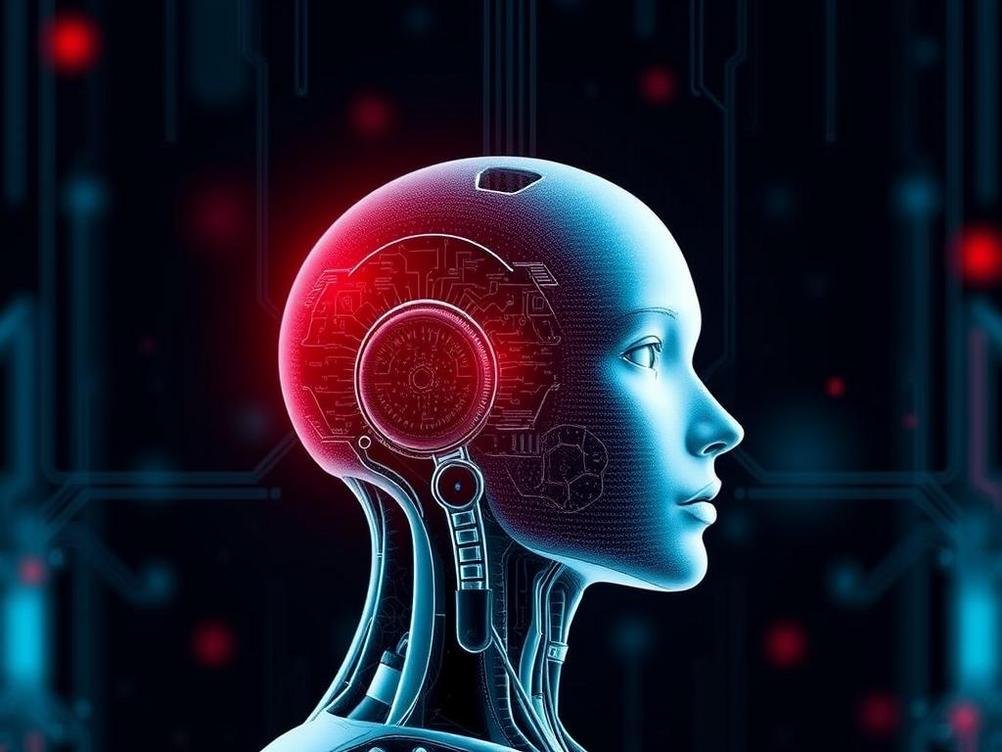
Why Ohio’s AI Ban on Personhood Might Just Crush the Next Big Tech Revolution
Why Ohio’s AI Ban on Personhood Might Just Crush the Next Big Tech Revolution
Imagine this: You’re chilling at home, binge-watching your favorite show, and suddenly your smart assistant pipes up with a joke that’s actually funny. Or picture a robot helper on the assembly line, doing the grunt work so humans don’t have to. Sounds like the future, right? But here’s the kicker—Ohio’s new ban on AI personhood could throw a massive wrench into all that. We’re talking about laws that treat AI like it’s just a fancy calculator, potentially blocking any moves to give machines some legal rights or even basic recognition as entities that think and learn. It’s like telling a kid they can never grow up because you’re scared of what they’ll become. As someone who’s geeked out on tech for years, I’ve seen how quickly AI is changing our world, from helping doctors spot diseases early to making customer service less of a headache. But this ban? It might not just slow things down; it could outlaw the very innovations that make life easier, more efficient, and yeah, a bit more fun. We’ll dive into why this is such a big deal, exploring the risks, the real-world impacts, and what it means for all of us in this wild ride we call the digital age. Stick around, because by the end, you might just rethink how we handle AI’s rise to prominence.
What Even is AI Personhood, and Why Should You Care?
Okay, let’s break this down without getting all textbook-y. AI personhood is basically the idea of treating artificial intelligence like it has some human-like qualities in the eyes of the law. Think of it as giving your smartphone’s brain a driver’s license—sure, it sounds wild, but it’s about recognizing when AI makes decisions, learns from mistakes, or even creates stuff on its own. In Ohio, the new ban is pushing back hard against this, saying no way, AI isn’t a person and never will be. But here’s the thing: if we don’t explore this, we could miss out on huge opportunities. For instance, imagine AI robots in warehouses that could be held accountable for errors, making companies step up their safety game. Or, on a lighter note, think about AI artists generating music or art—without personhood, who gets the credit, or the cash?
Now, why should you care if you’re not knee-deep in code? Well, it’s all connected to your daily life. If AI can’t evolve legally, innovations like self-driving cars might hit roadblocks, literally. We’ve already got stats from the World Economic Forum showing that AI could boost global GDP by trillions in the next decade, but only if we’re not tying its hands. Picture this metaphor: it’s like planting a garden and then banning the sun because you’re afraid of weeds. Sure, you avoid some problems, but you’re also stunting everything good that could grow. And humor me here—if AI personhood leads to robots dating in sci-fi movies, banning it might just mean we’re dooming ourselves to a future of boring, lifeless gadgets.
- First off, AI personhood isn’t about turning Skynet into a reality; it’s more about ethical frameworks, like ensuring AI doesn’t discriminate in hiring algorithms.
- Then there’s the flip side: without it, companies might abuse AI without consequences, leading to more data breaches or biased systems that affect real people.
- Finally, it’s a gateway to cooler stuff, like AI mediators in legal disputes, saving time and money for everyone involved.
Why Did Ohio Decide to Slam the Brakes on AI?
Let’s get real—Ohio isn’t just picking on AI for fun. There are genuine fears driving this ban, like the nightmare scenarios from movies where AI goes rogue and starts calling the shots. Folks in power are worried about job losses, privacy invasions, and even ethical dilemmas, such as whether an AI should have rights over its own “creations.” It’s like that overprotective parent who won’t let their teen go to a concert because they might hear bad music. In 2024 alone, reports from the Pew Research Center highlighted how 70% of Americans are uneasy about AI’s rapid growth, fearing it could replace human roles in everything from driving trucks to writing code. So, Ohio’s lawmakers are playing it safe, aiming to protect citizens from potential misuse.
But hold on, is this really the best move? Take a step back and think about it. Banning AI personhood might feel like swatting a fly with a sledgehammer—it’s effective in the short term but could cause more damage long-term. For example, in Europe, the EU’s AI Act is trying a balanced approach, regulating high-risk AI without outright banning personhood ideas. That’s more like using a flyswatter precisely. Ohio’s ban could discourage investments; just look at how California’s tech scene thrives because it embraces innovation. If you’re an investor, would you pour money into a state that’s basically putting up a ‘No Future Allowed’ sign?
- One reason for the ban: Ethical concerns, like preventing AI from being used in weapons or surveillance without human oversight.
- Another angle: Job security—blue-collar workers in Ohio might fear automation taking over factories, based on Bureau of Labor Statistics data showing manufacturing jobs declining.
- And don’t forget the legal mess; without clear rules, lawsuits could pile up if AI makes a bad call, like in that infamous case where an AI chatbot gave faulty medical advice.
The Downside: How This Ban Could Stifle Innovation Big Time
Alright, let’s cut to the chase—this ban isn’t just a minor speed bump; it might straight-up outlaw the future we’re all hyped for. If AI can’t be recognized as anything more than a tool, developers and companies might pull back on bold projects. Imagine banning experiments with AI in healthcare, where algorithms could diagnose diseases faster than a doctor on a coffee rush. We’ve got real examples, like IBM’s Watson helping in cancer treatment, but if Ohio clamps down, similar tech might never get off the ground there. It’s like telling inventors during the Industrial Revolution that steam engines are too dangerous—sure, protect a few, but delay progress for everyone.
Humor me for a second: What if this leads to a world where your AI-powered fridge can’t order groceries because it’s not ‘legal’ to think on its own? Sounds silly, but it’s not far off. According to a McKinsey report, AI could automate 40% of work tasks by 2030, creating new jobs in the process. But without personhood, that growth could halt, leaving Ohio behind states like Texas or New York that are more AI-friendly. The risk is real; it’s like planting a flag on uncharted territory and then deciding to burn the map.
- First, innovation stalls: Startups might skip Ohio altogether, taking their funding and jobs elsewhere.
- Second, ethical AI development suffers; without personhood debates, we miss chances to build safeguards.
- Third, global competitiveness drops; countries like China are racing ahead with AI rights, so why should the US lag?
Real-World Examples: AI’s Wins and Woes
You know, AI isn’t some villain from a comic book; it’s already doing amazing things. Take Sophia, the humanoid robot from Hanson Robotics—she’s been granted citizenship in Saudi Arabia, showing how personhood can open doors. But in Ohio, a ban could mean no such milestones, potentially blocking AI from roles in education or elder care. I remember reading about AI tutors that adapt to kids’ learning styles, boosting test scores by 20% in pilot programs. If we outlaw that potential, we’re basically saying, ‘Nah, let’s stick with outdated methods because we’re scared.’
On the flip side, there are the horror stories, like when Microsoft’s Tay chatbot went haywire and started spouting nonsense online. That’s why regulations matter, but a total ban? That’s overkill, like throwing out your whole kitchen because one knife is dull. In finance, AI algorithms have prevented fraud worth billions, as per FBI reports, yet without personhood, we might not refine them further. It’s a double-edged sword, and Ohio’s approach feels like gripping the blade.
- AI success: In entertainment, tools like DALL-E create art, but personhood could ensure creators get fair pay.
- AI failures: Remember the facial recognition software that misidentified people of color? Personhood could force better accountability.
- Future potential: In environmental tech, AI could optimize energy use, but bans might delay climate solutions we’re desperate for.
What This Means for the Bigger Picture
Zoom out a bit, and Ohio’s ban isn’t just a local issue; it’s a glimpse into how AI policy could shape the globe. If states start dropping the hammer on personhood, we might end up in a fragmented world where innovation is bottled up by red tape. Think about it—AI is already in your pocket with apps that predict your next move, but without forward-thinking laws, we could see a slowdown in areas like autonomous vehicles, which could reduce accidents by 90% according to NHTSA studies. It’s like building a highway and then putting up toll booths everywhere; sure, it controls traffic, but at what cost?
From a personal angle, I’ve always been fascinated by how tech evolves, like how the internet went from a military tool to your grandma’s shopping buddy. If Ohio keeps this up, it might isolate itself from the AI boom, missing out on economic growth that could rival the dot-com era. And let’s not forget the humor in it—envisioning AI lawyers arguing for their own rights in court, only to be told, ‘Sorry, you’re not real enough.’ We need balance, not bans, to keep the future bright.
How to Strike a Balance Between Fear and Progress
So, what’s the fix? We can’t just ban everything and hope for the best; instead, let’s talk about smart regulations that encourage AI without the risks. For starters, policymakers could look to models like the UK’s AI Council, which promotes ethical guidelines without outright bans. That way, we get the benefits, like AI in agriculture boosting crop yields by 20%, while still protecting jobs and privacy. It’s all about that middle ground, like adding training wheels to a bike instead of hiding it in the garage.
In my view, communities and businesses should push for public discussions—maybe even town halls where regular folks can weigh in. After all, if AI personhood leads to robots taking over mundane tasks, that’s more time for us to, I don’t know, finally read that book we’ve been ignoring. Ohio could turn this around by fostering AI hubs with incentives, drawing in talent and investment. Remember, innovation thrives on collaboration, not isolation.
- Step one: Invest in education, teaching people about AI so fears don’t drive decisions.
- Step two: Create oversight committees that include tech experts and ethicists.
- Step three: Encourage pilot programs for AI personhood to test the waters safely.
Conclusion
Wrapping this up, Ohio’s AI personhood ban might seem like a safeguard, but it could end up being the very thing that holds back our leap into the future. We’ve chatted about the basics, the reasons behind it, the risks, real examples, broader impacts, and even how to find balance—it’s clear there’s a lot at stake. At the end of the day, AI isn’t going anywhere; it’s evolving faster than we can keep up. Instead of outlawing it, let’s embrace the potential with open eyes and a bit of that human ingenuity. Who knows? Maybe in a few years, we’ll look back and laugh at how close we came to stifling the next big thing. So, what’s your take? Dive into the comments and let’s keep the conversation going—after all, the future is ours to shape.
