dailytech.ai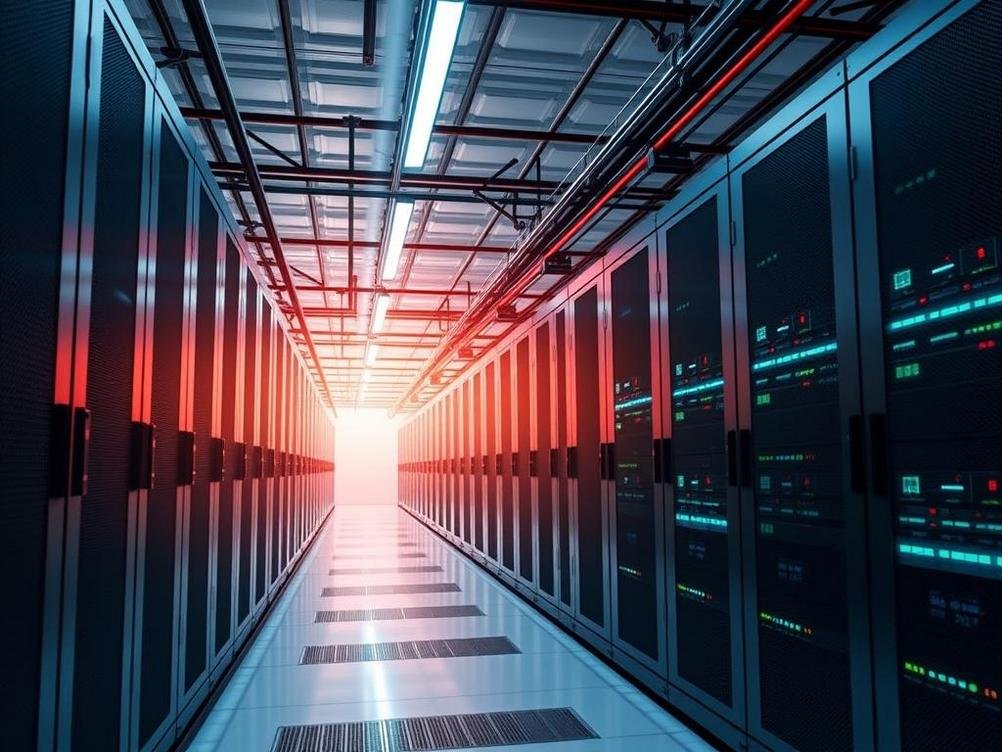
Why AI’s Data Center Boom is Secretly Jacking Up Your Electric Bill
Have you ever opened your electric bill and thought, “What the heck? Did I accidentally power a small city?” Well, if you’re like me, you’ve probably blamed the AC or that old fridge that’s always running. But here’s a plot twist that’s straight out of a sci-fi movie: the real culprit might be the AI frenzy happening behind the scenes. We’re talking about massive data centers chugging electricity like it’s going out of style, and it’s not just affecting big tech giants—it’s trickling down to your household budget. I mean, think about it: AI is everywhere these days, from your smart assistant suggesting dinner ideas to algorithms deciding what pops up on your social feed. But all that brainpower comes at a cost, and it’s lighting up your meter faster than you can say “ChatGPT.”
In this article, we’re diving into why AI’s rapid growth is turning up the heat on energy consumption, and how it’s quietly inflating your bills. I’ll break it down with some real-world examples, a bit of humor (because who doesn’t need a laugh when dealing with unexpected expenses?), and practical insights to help you navigate this messy situation. By the end, you’ll see how this isn’t just a tech problem—it’s something that touches all of us. So, grab a coffee, settle in, and let’s unpack this electrifying issue together. After all, if AI is the future, we might as well understand the fine print on our power bills.
What’s All the Fuss About AI Data Centers Anyway?
You know how your phone gets hot after a long gaming session? Imagine that, but on steroids, for entire buildings full of servers. AI data centers are basically the backbone of all the cool stuff we love about technology—these massive warehouses house thousands of computers that crunch data non-stop to train AI models, run algorithms, and keep the internet feeling magical. But here’s the kicker: they’re power-hungry beasts. I remember reading about how a single data center can use as much electricity as a small town. That’s not just impressive; it’s kinda scary when you think about it.
What’s driving this ‘frenzy,’ as the title puts it? Well, companies like Google, Amazon, and Microsoft are in a race to build the next big AI innovation. Every new model or update requires more computing power, which means more servers, more cooling systems, and yeah, more electricity. It’s like hosting a never-ending party where the DJ never stops, but instead of music, it’s algorithms spinning. And while that’s great for progress, it’s not so great for the planet or your wallet. If you’re living in an area with a lot of these centers nearby, your local grid is probably straining under the demand, leading to higher rates for everyone.
- Fun fact: According to some reports, global data center energy use could double by 2030 if things keep going this way— that’s enough to power about 10 million homes!
- Think of it like your teenager discovering video games; once they start, the electricity meter spins faster than you can say “turn that off!”
How AI is Guzzling Electricity Like There’s No Tomorrow
Let’s get nerdy for a second—AI isn’t just about fancy chatbots; it’s about massive calculations happening in the background. Training a single AI model can require the equivalent energy of running a car for miles on end. I’ve heard stories of data centers using specialized chips that are super efficient, but even they need a ton of juice to operate. Picture this: rows upon rows of blinking servers, each one working overtime, generating heat that requires industrial fans and air conditioning to cool down. It’s like trying to cool a oven with a desk fan—ineffective and energy-intensive.
Now, why does this hit your electric bill? Well, when demand spikes, utility companies have to crank up production, often relying on less eco-friendly sources like coal or natural gas. That means higher operational costs, which get passed on to consumers. I once lived in a neighborhood near a data center, and let me tell you, my bills jumped 20% in a year without me changing a thing. It’s not fair, but it’s the reality. And with AI adoption exploding—think self-driving cars, personalized ads, and even AI in healthcare—there’s no sign of slowing down.
- First, the sheer scale: A report from the International Energy Agency suggests that data centers already account for about 1-2% of global electricity use, and that’s growing fast.
- Second, inefficiencies add up; not all that power goes to useful work, with a lot wasted as heat.
- Lastly, regional imbalances mean some areas are hit harder, like parts of the US or Europe where tech hubs are concentrated.
The Real Impact on Your Everyday Wallet
Okay, so how does this translate to your life? If you’re paying bills, you’re feeling it. Utility rates aren’t static; they fluctuate based on demand, and with AI data centers sucking up power, prices go up across the board. I mean, imagine if your neighbor started running a home crypto mine—your shared electricity costs would skyrocket. That’s essentially what’s happening on a massive scale. A friend of mine in Texas told me his bill doubled after a new data center opened nearby, and it wasn’t because he was blasting the AC all summer.
But it’s not just about the immediate hit. There’s a ripple effect on the economy too. Higher energy costs can lead to increased prices for everything from groceries to streaming services, since companies pass on their own rising expenses. It’s like a domino effect: AI needs power, power gets pricier, and suddenly your budget is tighter. Yet, we’re all benefiting from AI in ways we don’t even notice, like better traffic predictions or smarter shopping recommendations. So, is it worth the trade-off? That’s a question we’ll circle back to.
- Quick example: In 2024, California’s grid saw a 15% increase in demand partly due to tech expansions, leading to rate hikes for residents.
- And hey, if you’re on a fixed income, this stuff stings even more—it’s not just an inconvenience, it’s a real financial burden.
What Are Companies and Governments Doing to Fix This?
Thankfully, it’s not all doom and gloom. Big tech is waking up to the energy problem and throwing money at solutions. Companies like Google and Microsoft are investing in renewable energy sources, like solar and wind, to power their data centers. I read about Google’s pledge to run on 24/7 carbon-free energy by 2030— ambitious, right? But it’s a start. Governments are stepping in too, with regulations pushing for greener practices. In the EU, for instance, there’s talk of mandatory energy efficiency standards for data centers.
From a humorous angle, it’s like AI realizing it’s been a bad roommate and finally chipping in for the utilities. On a serious note, innovations like liquid cooling and more efficient AI chips are cutting down on waste. If we can make these changes stick, maybe we won’t all be cursing our bills in the future. Still, it’s a balancing act—pushing AI forward without turning the planet into a giant battery.
- One cool development: NVIDIA’s newer chips are designed to use 70% less energy than older models, which could be a game-changer.
- Another: Some countries are offering incentives for sustainable data centers, like tax breaks for using renewables.
Is the AI Boom Worth the Electric Bill Hike? Pros and Cons
Let’s weigh the scales here. On one hand, AI is revolutionizing everything from medicine to entertainment. We’re talking faster disease detection and personalized learning—stuff that saves lives and makes our days easier. But on the other, if it’s jacking up our bills and straining resources, is it sustainable? I often joke that AI is like that friend who’s great at parties but always forgets to pay their share. The truth is, the pros might outweigh the cons if we manage it right, but we’re not quite there yet.
For instance, AI could help optimize energy use in the long run, like predicting peak demand to avoid blackouts. That’s ironic, isn’t it? The thing causing the problem might also solve it. Still, we need to be cautious. Statistics show that without intervention, energy demands from AI could outpace global supply growth by 2025, which is, well, now. So, yeah, it’s a mixed bag.
- Pros: Innovation, efficiency in other areas, and potential for AI to reduce energy waste overall.
- Cons: Immediate cost increases, environmental impact, and inequality in who bears the burden.
Tips to Keep Your Bills from Spiraling Out of Control
Alright, enough complaining—let’s get practical. If AI’s data center craze is affecting you, there are ways to fight back. Start with energy-saving habits at home, like unplugging devices or switching to LED bulbs. I know, it sounds basic, but every little bit helps. You could also look into energy-efficient appliances or even solar panels if you’re feeling ambitious. And don’t forget to shop around for better utility plans; some providers offer rates based on off-peak usage.
From a tech perspective, encourage the companies you support to go green. Write to your favorites or choose services that prioritize sustainability. It’s like voting with your wallet—pun intended. Remember, while you can’t stop the AI wave, you can ride it without drowning in debt.
- Check your energy usage with apps like Google Nest, which can help you monitor and cut consumption.
- Advocate for local policies that regulate data center energy use—community action matters.
- Simple hack: Use AI tools wisely; don’t let them run in the background if you don’t need them.
Conclusion
Wrapping this up, the ‘frenzy’ around AI data centers is a double-edged sword—it’s fueling incredible advancements while quietly inflating our electric bills. We’ve seen how this energy demand is impacting everyday life, but with smarter regulations, tech innovations, and a bit of personal effort, we can turn things around. It’s easy to feel overwhelmed, but remember, we’re all in this together, shaping a future where AI doesn’t just innovate but does so responsibly.
So, next time you glance at your bill, think about how you can play a part in this bigger picture. Maybe it’s as simple as supporting green initiatives or chatting about it with friends. Who knows? Your actions could help ensure AI’s growth doesn’t come at an unbearable cost. Let’s keep the conversation going and make sure the future is as bright as it is efficient.