dailytech.ai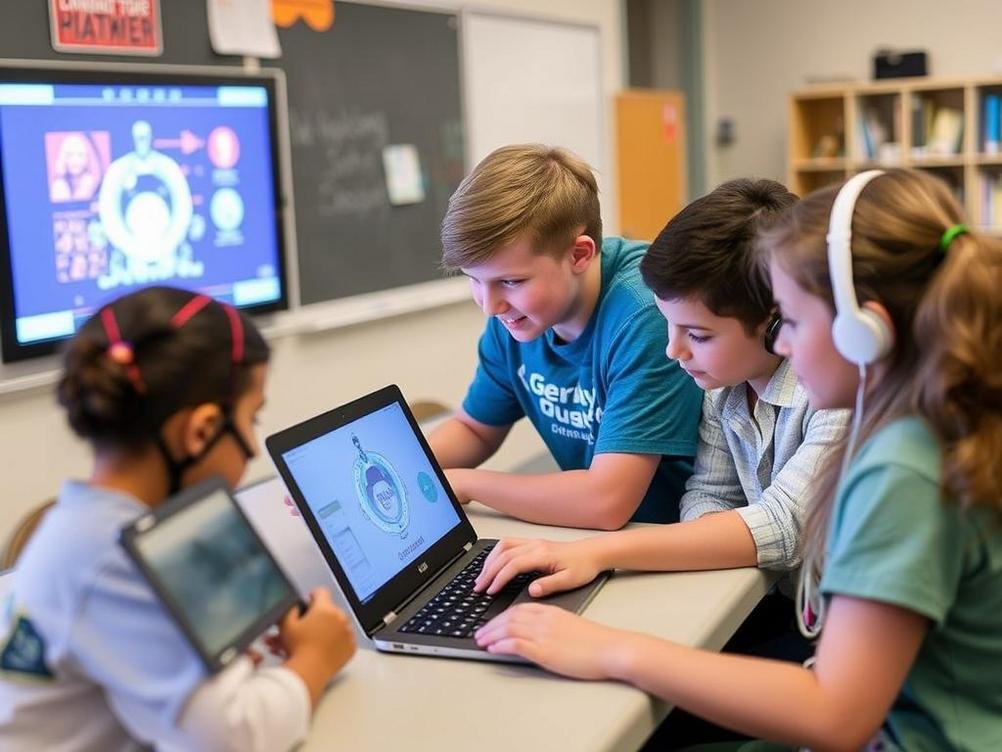
How AI is Shaking Up Classrooms: What East Grand Forks Schools Are Excited About
Imagine walking into a classroom where your kid’s homework gets personalized tweaks from a super-smart bot, or a teacher uses AI to spot when students are zoning out and need a fun break. That’s not sci-fi anymore—it’s happening right now, and folks at East Grand Forks Public Schools are buzzing about it. I mean, who wouldn’t get hyped about artificial intelligence potentially turning education on its head? Recently, district leaders there shared how AI could be a game-changer, making learning more engaging, efficient, and tailored to each student’s needs. It’s like giving teachers a high-tech sidekick instead of just a stack of papers and red pens. But let’s dive deeper because, honestly, AI in education isn’t just about fancy gadgets; it’s about making school feel less like a chore and more like an adventure. Think about it: we’ve all sat through boring lectures, right? Well, AI might just fix that by adapting lessons on the fly, predicting what students struggle with, and even helping with administrative stuff so educators can focus on what they do best—connecting with kids. From my own experiences watching tech evolve, this could be the nudge education needs to catch up with the modern world. East Grand Forks isn’t the first to spot this potential, but their take adds a real, grounded perspective that makes you wonder: what if AI could make every student feel like a star?
The Buzz from East Grand Forks Leaders
You know, it’s always interesting when school district bigwigs start talking about tech like it’s the next big thing, and that’s exactly what’s going on in East Grand Forks. Their leaders are saying AI has massive potential to shake up how we teach and learn, pointing to things like automated grading and personalized feedback that could free up teachers’ time. It’s not just empty hype; they’re seeing it as a way to bridge gaps for students who might otherwise fall through the cracks. I remember hearing stories from educators who feel overwhelmed by the sheer volume of work, and AI stepping in could be like having an extra cup of coffee—without the jitters.
What’s cool is that these leaders aren’t just nodding along; they’re actively exploring pilots and tools to integrate AI safely. For instance, they mentioned platforms like Khan Academy’s AI-driven exercises, which adapt to a student’s pace (you can check it out at khanacademy.org). It’s about making education more inclusive, especially in areas like rural Minnesota where resources might be stretched thin. But let’s not kid ourselves—it’s also a bit funny to think of AI as the underdog hero in a small-town school district. Will it work? Time will tell, but their enthusiasm is contagious.
Of course, not everyone’s on board yet, and that’s okay. The leaders are emphasizing a balanced approach, ensuring AI complements human interaction rather than replacing it. Think of it as AI being the Robin to the teacher’s Batman—helpful, but not stealing the spotlight.
Why AI is a Game-Changer in the Classroom
Alright, let’s get to the meat of it: why exactly is AI turning heads in places like East Grand Forks? For starters, it can personalize learning like nothing else. Imagine a system that notices your kid is great at math but stumbles on reading comprehension—it could whip up extra exercises just for them, making homework feel less generic and more like a tailored adventure. District leaders are highlighting how this could boost engagement, especially for students who learn at different speeds. It’s not about making teachers obsolete; it’s about giving them tools to be even better.
Take data analytics, for example. AI can crunch numbers on student performance faster than you can say “report card,” spotting trends that humans might miss. In East Grand Forks, leaders see this as a way to address equity, ensuring every kid gets the support they need. And hey, it’s not all serious—AI could even gamify lessons, turning a dull history quiz into an interactive quest. I’ve tried apps like Duolingo for language learning (head over to duolingo.com if you haven’t), and it’s a blast. Who knew learning could feel like playing a video game?
- Personalized feedback that adapts in real-time.
- Automated administrative tasks, like grading multiple-choice tests.
- Enhanced accessibility for students with disabilities, such as voice-to-text tools.
Hurdles on the AI Education Highway
Okay, let’s not pretend it’s all smooth sailing. Even East Grand Forks leaders admit there are bumps when it comes to AI in schools. Privacy is a big one— we’re talking about kids’ data here, and no one wants that floating around unsecured. It’s like inviting a helpful neighbor into your house but worrying they might snoop through your drawers. Leaders are pushing for strict guidelines to keep things ethical, which is smart because, let’s face it, tech can sometimes feel like a double-edged sword.
Then there’s the cost and training aspect. Not every school has the budget for fancy AI tools, and teachers might need time to learn how to use them without feeling overwhelmed. I chuckle at the thought of a veteran teacher wrestling with a glitchy AI app—it’s relatable, right? But seriously, districts like East Grand Forks are working on partnerships to make this accessible, emphasizing professional development so educators don’t feel left in the dust.
- Potential job displacement fears among staff.
- Ensuring equitable access so not just affluent schools benefit.
- Overcoming technical glitches that could disrupt learning.
Real-World Wins with AI in Education
If you’re skeptical, just look at what’s already working elsewhere—it’s inspiring, and East Grand Forks is drawing from these examples. In places like New York City, AI-powered tutoring has helped boost test scores by personalizing lessons, and similar tech is being eyed in Minnesota. It’s like having a personal coach in your pocket, available 24/7. Leaders there see this as a blueprint for their own rollout, adapting it to local needs.
One metaphor I love is comparing AI to a Swiss Army knife—versatile and handy for various tasks. For instance, tools like Google’s Classroom AI (visit edu.google.com) help with organization and feedback. East Grand Forks could use something like this to streamline communication between teachers and parents. And the stats back it up: a study from the Brookings Institution shows AI can improve learning outcomes by up to 15% in some cases. Pretty cool, huh?
- AI in language labs, like Rosetta Stone, making foreign languages fun and interactive.
- Virtual reality simulations for science classes, bringing lessons to life.
- Adaptive testing that adjusts difficulty on the spot.
Getting Parents and Teachers on Board
So, how do we make sure everyone hops on the AI train? East Grand Forks leaders are stressing the importance of involvement, starting with workshops for parents and teachers. It’s about demystifying the tech so it doesn’t feel intimidating. I mean, if I can figure out how to use my smart home devices without blowing a fuse, anyone can learn AI basics. The key is open dialogue, like town halls where folks can voice concerns and see demos in action.
Parents, in particular, might worry about screen time, but leaders point out that AI can actually encourage more hands-on learning. Think of it as a tool that balances digital and real-world activities. For teachers, it’s about integration tips, like using AI for planning lessons rather than replacing creativity. If you’re a parent, start small—try apps at home and see the difference.
- Attend school events to learn more about AI implementations.
- Experiment with free tools like Quizlet AI for study aids.
- Discuss with your child’s teacher how AI might enhance their education.
The Road Ahead: Future Trends in AI Education
Looking forward, East Grand Forks is just the tip of the iceberg. Experts predict AI will evolve to include predictive analytics, helping schools anticipate issues like dropout risks. It’s exciting to think about, but also a little wild—like predicting the weather for your kid’s academic journey. Leaders there are optimistic, planning for expansions that could include AI in extracurriculars, making clubs and sports more data-driven.
Of course, we have to keep an eye on global trends, like how AI is being used in countries with advanced ed tech, such as Singapore. Their programs integrate AI seamlessly, and East Grand Forks might adapt similar strategies. With advancements happening fast, who knows? Maybe in a few years, AI will be as common as textbooks. But let’s keep it real—it’s all about using it wisely to foster creativity, not stifle it.
Conclusion
Wrapping this up, the excitement from East Grand Forks Public Schools about AI’s potential in education is a reminder that we’re on the cusp of something transformative. It’s not just about tech for tech’s sake; it’s about creating better learning experiences that stick. From personalized lessons to overcoming challenges, AI could make education more fun and effective for everyone involved. As we move forward, let’s embrace this change with a mix of caution and curiosity—after all, the future of learning is bright, and it’s probably got a bit of AI sparkle to it. So, whether you’re a parent, teacher, or just someone interested in ed tech, keep an eye on developments like those in East Grand Forks; they might just inspire your own journey.