dailytech.ai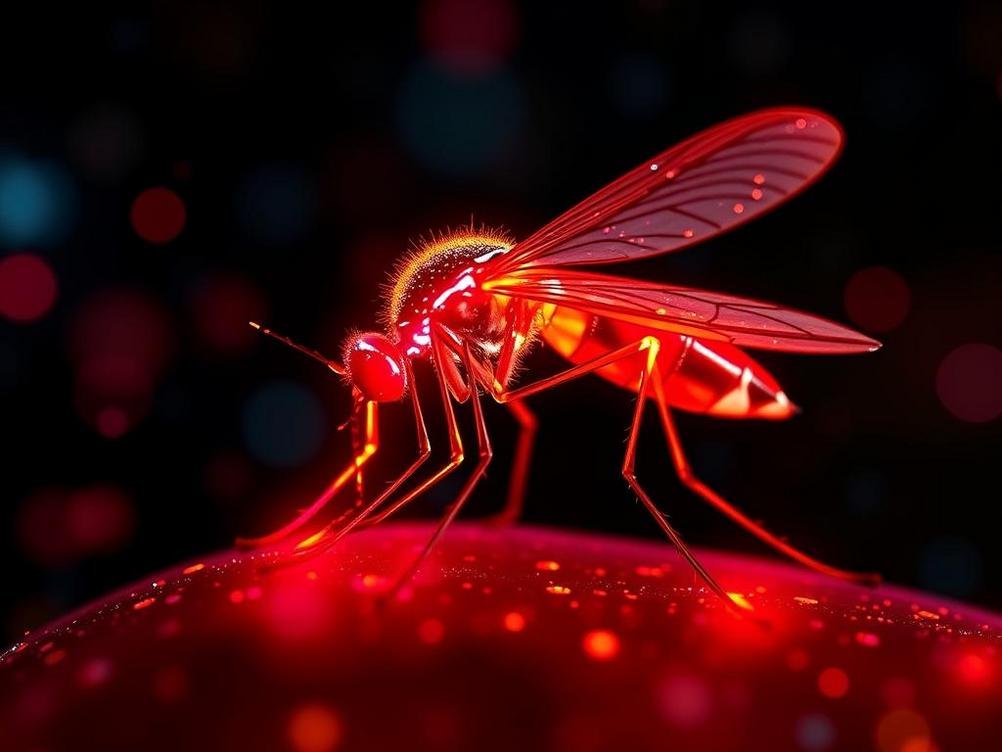
How AI Could Turn the Tide on Malaria and Make Global Health Fairer for Everyone
Imagine this: You’re in a small village in sub-Saharan Africa, where the buzz of mosquitoes isn’t just an annoying nighttime soundtrack—it’s a real threat that could turn a simple evening into a life-or-death struggle. Malaria has been around for centuries, claiming millions of lives, especially kids under five. But here’s the twist: What if AI, that fancy tech we often associate with chatbots and Netflix recommendations, could step in and make fighting this disease as accessible as checking your phone? It’s not just a sci-fi dream; it’s happening right now, and it might just democratize the global war on malaria. Think about it—AI could analyze mosquito patterns, predict outbreaks, and even help distribute resources to remote areas that big health orgs often overlook. As someone who’s geeked out on tech for years, I’ve seen how it flips the script on problems that seem insurmountable. We’re talking about turning data into a superpower for everyday heroes, like local health workers who are tired of playing catch-up with this ancient foe. So, let’s dive into how AI isn’t just another buzzword but a game-changer that could save lives and make global health a bit less of a rich-kid’s club. By the end, you might be as excited as I am about the possibilities, or at least curious enough to tell a friend.
What Even is Malaria, and Why Are We Still Talking About It in 2025?
You know, malaria isn’t some relic from history books—it’s still out there, lurking in puddles and bites, affecting over 200 million people annually, according to the World Health Organization (WHO). It’s caused by parasites spread through mosquito bites, and while we’ve got treatments like antimalarial drugs, the real issue is access. In places like rural India or parts of Africa, getting timely meds or preventive measures feels like winning the lottery. It’s frustrating because we’ve known about this for ages, yet it disproportionately hits low-income communities. I mean, who wants to deal with fevers, chills, and fatigue when you’re just trying to get by? The economic toll is massive too—lost workdays, hospital bills, and all that jazz add up to billions in damages globally.
Now, fast-forward to today, and we’re in 2025, where tech is everywhere. But malaria persists because traditional methods, like spraying insecticides or handing out bed nets, are hit-or-miss. They require heaps of manpower and resources, which aren’t always available in the spots that need them most. That’s where the idea of democratization comes in—making tools affordable and widespread so anyone, anywhere, can use them. It’s like how smartphones turned photography into an everyday thing; AI could do the same for health. Picture this: AI apps on cheap devices helping locals track mosquito hotspots. Sounds wild, right? But it’s not as far-fetched as you think, and that’s what makes this topic so darn intriguing.
To break it down, here’s a quick list of why malaria’s still a big deal:
- It kills around 400,000 people a year, mostly in developing nations—talk about an uneven fight.
- Climate change is making it worse by expanding mosquito territories, so it’s not just a tropical issue anymore.
- Resistance to common drugs is rising, meaning we need smarter, faster ways to adapt.
If we don’t get innovative, we’re just spinning our wheels.
How AI is Sneaking into Healthcare Like a Ninja
AI’s been making waves in healthcare for a while now, and it’s not just about diagnosing diseases from selfies—though that’s pretty cool. It’s like having a super-smart sidekick that crunches data faster than you can say ‘epidemic.’ For malaria, AI can analyze images from drones or phone cameras to spot mosquito breeding grounds, predict outbreaks using weather patterns, and even personalize treatment plans. I remember reading about how Google’s DeepMind used AI for protein folding, which indirectly helps with drug discovery—stuff that’s vital for fighting parasites. The point is, AI democratizes expertise by putting powerful tools in the hands of non-experts, like community health workers who might not have a PhD but can still make a difference.
Take machine learning, for instance; it’s basically teaching computers to learn from data without being explicitly programmed. In malaria’s case, algorithms can sift through vast amounts of environmental data to forecast where and when outbreaks might hit. It’s hilarious when you think about it—AI started as something from sci-fi movies, and now it’s out here playing doctor. But seriously, this tech lowers barriers because it doesn’t require fancy hospitals; you can run some apps on a basic smartphone. According to a report from the UNICEF, AI could help reach underserved areas by automating monitoring, which is a big win for equity. Of course, it’s not perfect—there are privacy concerns and the need for accurate data—but hey, nothing’s flawless.
If you’re wondering how this works in practice, consider this metaphor: AI is like a bloodhound for health issues. It sniffs out patterns we humans might miss. For example:
- Gathering data from satellite images to track water bodies where mosquitoes breed.
- Using predictive models to alert authorities weeks in advance of potential spikes.
- Integrating with mobile apps for real-time reporting from the ground.
It’s all about making health tech as approachable as your favorite social media feed.
AI’s Actual Moves in the Malaria Battlefield
Okay, let’s get specific—AI isn’t just theorizing; it’s in the trenches. Projects like those from the Bill & Melinda Gates Foundation are using AI to develop better mosquito traps and even genetically modify them to reduce populations. One cool example is IBM’s Watson, which analyzes health data to predict malaria trends in regions like Southeast Asia. It’s like AI is the ultimate scout, spotting enemy movements before they strike. In Kenya, for instance, AI-powered drones map out high-risk areas, helping distribute nets and meds more efficiently. This stuff is democratizing the fight because it empowers local folks to take charge without waiting for international aid.
What’s even better is how AI makes research cheaper and faster. Traditionally, developing a new drug could take years and cost a fortune, but AI speeds things up by simulating molecular interactions. I mean, who wouldn’t want a tool that turns lab work into a video game? A study from Nature Medicine showed that AI-assisted drug discovery reduced timelines by up to 50%—that’s huge for malaria, where parasites evolve quickly. And let’s not forget about apps like Malaria Spot, where users upload photos of potential mosquitoes for instant analysis. It’s crowdsourcing health data, making everyone a participant rather than a passive victim.
To illustrate, here’s how AI is making an impact globally:
- In Brazil, AI algorithms predict outbreaks based on climate data, saving resources and lives.
- In India, AI chatbots educate communities on prevention, reaching millions who might otherwise be in the dark.
- Partnerships with organizations like the RBM Partnership to End Malaria use AI for better resource allocation.
It’s like AI is the underdog hero in a blockbuster movie.
The Hiccups and Hilarious Glitches in AI’s Malaria Mission
Don’t get me wrong—AI’s amazing, but it’s not without its blunders. Picture this: An AI system misidentifies a harmless insect as a malaria-carrying mosquito, leading to unnecessary panic. Or worse, biased data from wealthier areas skews predictions, leaving poorer regions high and dry. These glitches remind us that AI is still a work in progress, kind of like when your smart home device mishears you and turns on the lights at midnight. In the context of malaria, challenges like data privacy, internet access in remote areas, and the high cost of implementation can hold things back. It’s frustrating because we need this tech to be foolproof to truly democratize it.
Then there’s the humor in it all. I once heard about an AI experiment where the system got confused by weather anomalies and predicted a malaria surge during a cold snap—oops! But seriously, addressing these issues is key. We need diverse datasets and affordable tech to ensure AI works for everyone, not just tech-savvy cities. Organizations are stepping up, like the PATH, which focuses on equitable AI solutions. If we can laugh at the mistakes and learn from them, we’ll get closer to making AI a reliable ally.
Some common pitfalls include:
- Over-reliance on AI without human oversight, which can lead to errors.
- Ethical concerns, like who owns the data from vulnerable populations.
- The digital divide, where not everyone has access to the necessary tech.
But hey, every hero has a flaw, right?
What’s Next? A Brighter, AI-Powered Future for Global Health
Looking ahead to 2026 and beyond, AI’s potential to democratize malaria control is sky-high. We’re talking about wearable devices that detect early symptoms or AI-driven vaccines tailored to specific regions. It’s like upgrading from a slingshot to a laser gun in the fight against disease. With advancements in edge computing, even off-grid areas could use solar-powered AI tools. The key is collaboration—governments, NGOs, and tech companies working together to make this accessible. I find it inspiring that something as everyday as your phone could help eradicate a disease that’s plagued humanity for eons.
Statistically, if we scale up AI initiatives, we could cut malaria cases by 30-40% in the next decade, per some optimistic projections from health experts. Imagine the ripple effects: healthier communities, boosted economies, and kids actually getting to school without fear. It’s not just about tech; it’s about empowerment, giving tools to those on the front lines so they can lead the charge.
For instance, upcoming projects might include:
- AI-integrated mosquito nets that release repellents automatically.
- Global databases sharing real-time data to prevent cross-border spread.
- Education programs using AI to teach prevention in local languages.
The future’s looking pretty bright, don’t you think?
Conclusion: Let’s Get AI on Team Malaria Eradication
Wrapping this up, AI has the power to make the fight against malaria more inclusive, turning what was once a privileged battle into a global team effort. From predicting outbreaks to speeding up drug development, it’s clear that this tech could save countless lives if we play our cards right. We’ve covered the basics, the real-world applications, the bumps in the road, and the exciting possibilities ahead—it’s all about using AI wisely and with a dash of humor to keep things grounded.
So, what’s your take? Could AI really be the hero we need? I encourage you to dive deeper, maybe check out some of those links I mentioned, and think about how you can get involved. Whether it’s supporting tech-for-good initiatives or just spreading the word, every bit helps. Let’s make 2025 the year we start tipping the scales in favor of a malaria-free world—because honestly, who’s got time for mosquitoes anyway?