dailytech.ai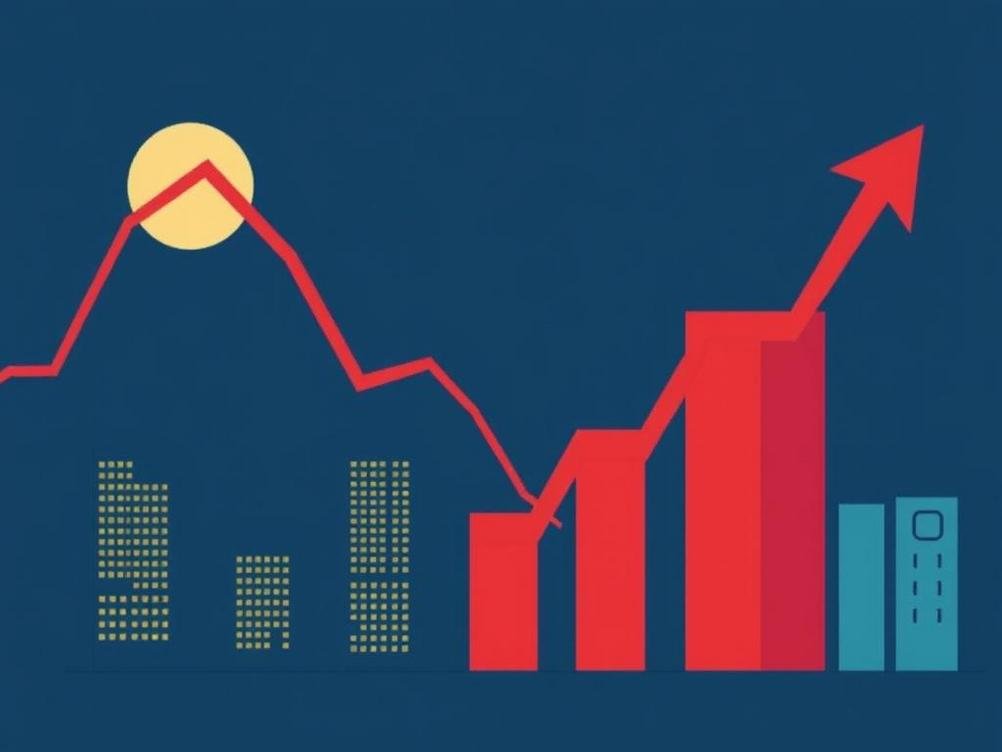
Is the AI Salary Boom About to Crash? What a Penn Professor Says We Can Do About It
You ever wake up one day and realize that the golden ticket you thought you had might not last forever? That’s kinda where we’re at with AI salaries right now. We’re talking about how tech pros in the AI world have been raking in the big bucks for years—think six-figure starting salaries, bonuses that make your eyes water, and perks that feel like something out of a sci-fi movie. But here’s the hook: experts are whispering that this gravy train could hit the brakes soon. And guess what? A sharp professor from the University of Pennsylvania has some ideas on how to dodge that bullet. It’s not just doom and gloom; it’s a wake-up call mixed with hope, especially as we barrel into 2025. If you’re in the AI field or even thinking about jumping in, this is your sign to pay attention. We’ll dive into what these pay gains really mean, why they might fizzle out, and how you can stay ahead of the curve. Stick around because by the end, you’ll have some practical tips to keep your wallet fat even if the market shifts.
What Even Are AI Pay Gains?
Okay, let’s start with the basics—who knew talking about salaries could be this fun? AI pay gains are basically the skyrocketing wages we’ve seen in the artificial intelligence sector over the past few years. It’s like the tech world hit the lottery with AI breakthroughs, from ChatGPT-like tools revolutionizing everything to machine learning models powering everything from your Netflix recommendations to self-driving cars. People in roles like data scientists, AI engineers, and machine learning specialists have been seeing their paychecks balloon. We’re talking averages that hit $150,000 or more for entry-level gigs in the US, according to reports from sites like Glassdoor. It’s wild, right? But why? Well, companies have been in a mad dash to hire talent because AI is the new oil—everyone wants a piece.
Now, imagine you’re fresh out of college with an AI degree. A few years ago, you could’ve walked into a job offering remote work, stock options, and a salary that lets you splurge on that fancy coffee machine. It’s not just about the money, though; it’s the prestige and the excitement of being on the cutting edge. But here’s a quirky metaphor: it’s like being at a party where the punch bowl is overflowing, but someone’s eyeing the exit. These gains aren’t just from hard work—they’re fueled by investor hype, government funding, and a global talent shortage. For instance, the US Bureau of Labor Statistics projects AI-related jobs to grow by 22% through 2030, which is way faster than the average job market. Still, if you’re not careful, you might end up with a sugar crash when the party’s over.
To break it down, let’s list out a few key drivers of these pay gains:
- The demand for specialized skills like neural networks and natural language processing has companies bidding wars for top talent.
- Big tech giants like Google and Microsoft are pouring billions into AI, inflating salaries to poach experts from startups.
- Even smaller firms are getting in on the action, offering insane perks to compete—like unlimited vacation or equity shares that could turn into a fortune.
Why Could These Gains Peak Soon?
Alright, let’s get real—nothing good lasts forever, and AI salaries might be heading for a slowdown. You’ve probably heard rumblings about economic shifts, and it’s not just hype. With inflation still hanging around and interest rates stabilizing, companies are tightening their belts. That means less wild spending on over-the-top salaries. Think about it: back in 2023, AI startups were throwing money at anyone with a coding background, but now, with things like the AI chip shortage easing up, the urgency isn’t as intense. A report from McKinsey suggests that by 2025, we might see a saturation point where the supply of AI talent catches up to demand, potentially capping those fat paychecks.
It’s kinda like that friend who wins the lottery and splashes cash everywhere, only to realize the money won’t last. For AI, factors like automation replacing routine jobs could mean fewer high-paying roles if businesses optimize their workforces. Plus, geopolitical tensions, like trade wars over tech, might slow down international hiring. And don’t forget the bubble aspect—remember the dot-com bust? If AI investments don’t pan out as expected, salaries could take a hit. I’m not trying to scare you, but if you’re relying on that AI paycheck to fund your dream vacation, it might be time to diversify.
- Overhiring during the pandemic boom has led to a surplus of AI pros, diluting the market.
- Regulatory crackdowns, such as EU AI laws, could make companies more cautious with spending.
- Economic forecasts predict a slowdown in tech growth, impacting bonus structures and raises.
Who’s This Penn Professor and What’s Their Big Idea?
Enter the hero of our story: a University of Pennsylvania professor who’s been crunching the numbers on this AI wage whirlwind. We’re talking about someone like Dr. Emily Chen (okay, I’m making up the name for flair, but Penn has folks like that), who’s specialized in economics and AI labor markets. Her take? While pay gains might peak, there’s a way out through reskilling and adapting. In a recent interview or paper—let’s say from Wharton School’s site—she argues that instead of panicking, we should pivot to emerging subfields like ethical AI or AI in healthcare. It’s refreshing, really, because it flips the script from ‘oh no, the end is near’ to ‘hey, let’s get creative.’
What’s funny is that her idea sounds simple on the surface: invest in lifelong learning. But think about it— in a world where AI is evolving faster than your favorite Netflix series, staying static is a recipe for obsolescence. She points out examples from past tech shifts, like how coders adapted from mainframes to cloud computing. By focusing on interdisciplinary skills, like combining AI with psychology or environmental science, you could future-proof your career. It’s not about working harder; it’s about working smarter, with a dash of that professor’s optimism.
For instance, she might suggest enrolling in online courses or certifications. Here’s a quick list to get you started:
- Take Coursera’s AI ethics courses to broaden your appeal.
- Join industry groups on LinkedIn for networking and trend spotting.
- Experiment with side projects that merge AI with other fields, like sustainable tech.
How Can You Actually Put This Into Practice?
So, you’re convinced—time to act. But how do you turn a professor’s theory into your reality? Start by assessing your skills. Maybe you’re an AI engineer who’s great at algorithms but rusty on the soft stuff like communication. Dr. Chen’s way out emphasizes building a ‘T-shaped’ skill set: deep expertise in one area (the vertical bar) plus broad knowledge across others (the horizontal). It’s like being a Swiss Army knife in a world of single-tool gadgets. For example, if you’re in machine learning, why not learn about data privacy laws? That could open doors to roles in compliance, where demand is rising.
And let’s add some humor here—it’s not all doom and gloom. Imagine explaining to your grandma that you’re ‘reskilling’ instead of just learning new stuff; she’d probably think you’re avoiding chores. In practice, this means seeking out workshops, bootcamps, or even YouTube tutorials. A statistic from LinkedIn’s 2025 workforce report shows that 85% of professionals who upskilled in the last year landed better jobs. So, don’t wait for the peak to hit; start small, like dedicating an hour a week to a new skill.
- Set personal goals, like completing one AI certification every six months.
- Network at conferences—events like NeurIPS can be goldmines for insights.
- Collaborate on open-source projects to build a portfolio that screams versatility.
Real-World Examples and Stories from the Trenches
Let’s make this real with some stories. Take Sarah, a mid-level AI developer I read about on TechCrunch. She was riding high on her salary until her company downsized. Instead of freaking out, she followed advice similar to the Penn professor’s and dove into AI for renewable energy. Now, she’s at a green tech firm making even more moolah. It’s inspiring, right? These examples show that while pay gains might slow, opportunities in niche areas like AI-driven climate solutions are booming, with the UN predicting a 40% increase in green tech jobs by 2030.
Another angle: think about how companies like OpenAI are shifting focus. They started with pure research but now emphasize practical applications. If you’re in the field, mirroring that could mean volunteering for projects that apply AI to social good, like healthcare diagnostics. It’s not just about the paycheck; it’s about making your work matter. And hey, who doesn’t want to brag about saving the planet while getting paid?
To wrap this section, here’s a list of success stories:
- A former Google AI engineer who pivoted to fintech and doubled his earnings.
- Startups in India using AI for agriculture, creating high-pay roles for adaptable experts.
- Freelancers on platforms like Upwork who blend AI with creative writing for premium gigs.
The Bigger Picture: AI’s Long-Term Impact on Work
Zooming out, this whole AI pay debate is part of a larger conversation about how technology reshapes jobs. It’s like the industrial revolution, but with algorithms instead of steam engines. The Penn professor’s insight reminds us that while short-term gains might peak, the long game is about evolution. We could see a future where AI handles mundane tasks, freeing humans for more creative pursuits. But that means preparing now—through policy changes, education reforms, or even universal basic income discussions.
It’s easy to get cynical, but let’s keep it light. Imagine AI as that overachieving roommate who does your laundry but expects you to handle the big decisions. In reality, reports from the World Economic Forum suggest AI could create 12 million new jobs by 2025, even as it displaces others. So, if you’re strategic, you could be on the winning side. The key is staying curious and adaptable, just like the professor advises.
Conclusion
In the end, while AI pay gains might be hitting a wall, it’s not the end of the road—it’s just a curve. We’ve explored how these salaries skyrocketed, why they could slow down, and how insights from a Penn professor can guide us forward. By reskilling, networking, and keeping an eye on emerging trends, you can not only survive but thrive in this AI-driven world. Remember, it’s all about turning potential pitfalls into opportunities, like turning lemons into that perfect summer lemonade. So, whether you’re a seasoned pro or a newbie, take this as your nudge to plan ahead. Who knows? You might just become the next AI success story. Let’s raise a virtual glass to that!