dailytech.ai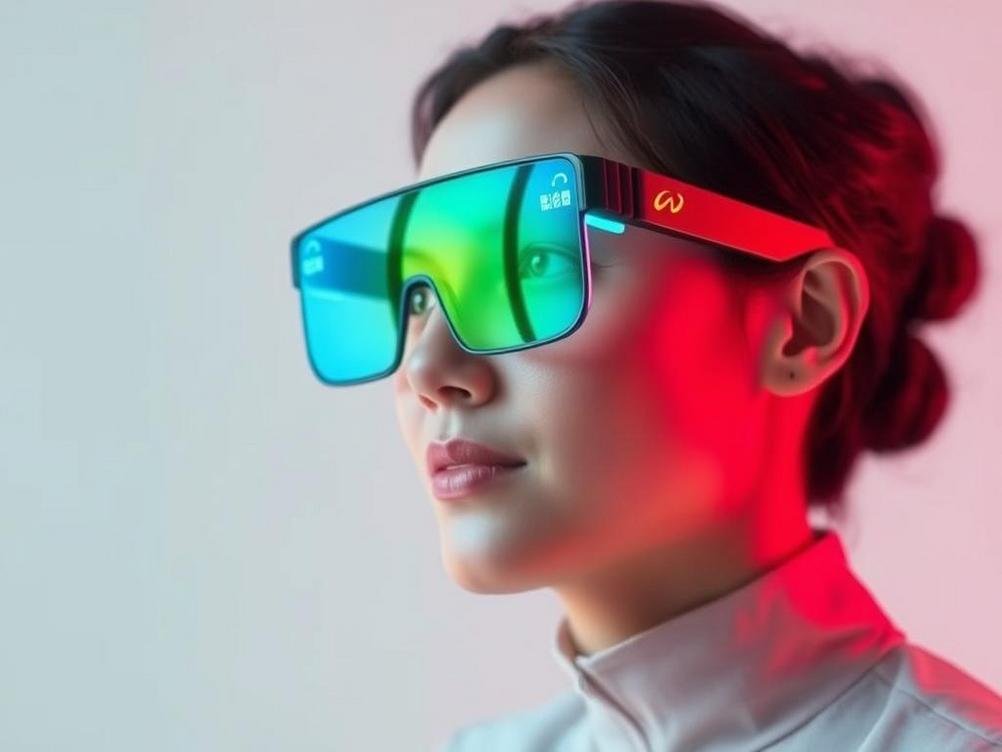
Alibaba’s Wild AI Glasses: Is This the Future of Everyday Tech?
Picture this: you’re strolling through a bustling city street, and suddenly, your glasses start whispering directions to that hidden coffee shop you’ve been dying to try. Sounds like something out of a sci-fi flick, right? Well, that’s exactly what Alibaba just dropped into the world with their new AI glasses—a rare foray into consumer gadgets that has tech enthusiasts buzzing. I mean, we’ve seen giants like Google and Apple tinker with smart eyewear before, but Alibaba? That’s a curveball. As someone who’s been knee-deep in the AI world for years, I couldn’t help but chuckle when I heard about this. It’s like watching your favorite online shopping site suddenly decide to play superhero. These glasses aren’t just about looking cool; they’re packed with features that could change how we interact with the world around us. But let’s be real, is this a game-changer or just another gadget that’ll end up gathering dust? In this post, we’ll dive into what makes these AI glasses tick, why Alibaba’s stepping into this arena now, and whether they’re worth the hype. Stick around, because we’re about to unpack it all in a way that’s as fun as it is informative.
What Exactly Are Alibaba’s AI Glasses?
Okay, let’s start with the basics—what in the world are these AI glasses that everyone’s talking about? From what I’ve gathered, Alibaba’s entry into smart wearables is like giving your regular specs a massive brain upgrade. They’re basically augmented reality (AR) glasses that use AI to overlay digital info onto your real-life view. Imagine walking down the street and your glasses highlighting deals at nearby stores or translating foreign signs on the fly. It’s wild stuff! Alibaba calls this their way of making everyday life smarter, and honestly, it’s got me thinking about how much easier commutes could be if tech did the heavy lifting.
But here’s the fun part—these aren’t your grandpa’s bifocals. They’re lightweight, with built-in cameras and microphones that connect to your phone via Alibaba’s ecosystem. Think of it as having a personal assistant perched on your nose. I’ve seen demos where users get real-time notifications, like “Hey, that shirt you’re eyeing is on sale!” It’s all powered by Alibaba’s AI models, which are pretty top-notch for processing data on the go. If you’re into gadgets, this is like Christmas morning—except it’s November 2025, and Santa’s delivering from China. Of course, privacy folks might raise an eyebrow, but more on that later.
To break it down, here’s a quick list of the key features that make these glasses stand out:
- Real-time AR overlays for navigation and shopping tips.
- Voice-activated controls that feel straight out of a spy movie.
- Integration with Alibaba’s apps, like turning your glasses into a virtual shopping cart.
- Battery life that’s supposedly good for a full day, which is a win if you’re out and about.
Why Is Alibaba Jumping into Consumer Gadgets Now?
You might be wondering, “Alibaba? Aren’t they just the folks who handle my online orders?” Yeah, exactly—that’s what makes this move so intriguing. For years, Alibaba has been the backbone of e-commerce in China and beyond, but dipping into consumer hardware is like them saying, “Hey, we’re not just about carts and clicks anymore.” This release feels like a strategic pivot, especially in 2025 when AI is everywhere. With competitors like Meta and Apple already in the AR game, Alibaba’s probably thinking, “Why not us?” It’s their way of expanding from digital services to physical products that could lock users into their ecosystem even more.
From what I’ve read, this isn’t a total surprise. Alibaba has been toying with AI for ages, from chatbots to cloud services. Releasing these glasses is like them finally putting on their big kid shoes. It’s a rare foray because, let’s face it, hardware is risky—manufacturing snafus, market flops, you name it. But in a world where everyone’s chasing the next big tech trend, Alibaba’s timing couldn’t be better. With global e-commerce booming, pairing it with AR glasses makes sense—it’s like giving shoppers a superpower. I mean, who wouldn’t want glasses that suggest outfits based on your style history? It’s clever, but it’ll be interesting to see if they can pull it off without stumbling.
And let’s not forget the humor in all this. Imagine ordering a pizza through your glasses and having it delivered via Alibaba’s logistics. It’s seamless, sure, but what if it mixes up your toppings? That’d be a tech tragedy! Still, this move positions them as a player in the wearable tech space, potentially rivaling the likes of Ray-Ban Meta glasses.
The Standout Features of These AI Glasses
Alright, let’s geek out a bit—what makes Alibaba’s AI glasses actually worth strapping on? For starters, they’re designed with everyday use in mind, not just for tech nerds. The glasses boast high-res displays that project info without making you look like you’re wearing a VR headset. We’re talking subtle notifications, like arrows pointing to your destination or pop-ups for product reviews. It’s like having Google Maps and Amazon fused into your frames. From my perspective, this could be a game-changer for travelers or busy parents juggling a million things.
One cool aspect is the AI personalization. These glasses learn from your habits, so over time, they might suggest, “Hey, based on your runs, here’s a new route.” It’s not perfect—AI can be quirky—but imagine the possibilities. For example, if you’re at a museum, it could pull up historical facts about exhibits. And let’s add a dash of humor: if it starts recommending cat videos during a meeting, well, that’s just the AI being a bit too friendly. Overall, features like gesture controls and voice commands make it feel intuitive, almost like chatting with a buddy.
- Augmented reality for instant translations, perfect for globetrotters.
- Health tracking integrations, like monitoring your steps without a separate device.
- Seamless e-commerce tie-ins, where you can scan items and buy them on the spot.
Comparisons to other gadgets abound, but Alibaba’s version seems more affordable, which is a big win in 2025’s economy.
How Do They Stack Up Against Other AI Wearables?
Now, let’s play compare and contrast—how do Alibaba’s AI glasses hold up against the competition? Think about Google’s Glass flop a few years back; it was innovative but clunky, and people felt like Big Brother was watching. Alibaba’s take seems to learn from those mistakes, focusing on privacy and user-friendliness. While Meta’s Ray-Ban glasses are great for social media integration, Alibaba’s are more about practical, everyday utility. It’s like the difference between a sports car and a reliable family SUV—both fun, but one might suit your needs better.
In terms of specs, Alibaba’s glasses offer better battery life and quicker AI responses, at least from early reviews. But here’s a reality check: not every wearable is a hit. Apple’s Vision Pro is more immersive for work, yet it’s pricier and bulkier. Alibaba’s entry is positioning itself as the budget-friendly option, which could appeal to the masses. I’ve seen stats from industry reports showing that AR wearables are expected to grow by 50% in the next few years, so jumping in now is smart. Still, if these glasses overheat or glitch, it could be a buzzkill.
To sum it up with a list, here’s how they compare:
- Price: Alibaba’s are rumored to be under $300, versus Meta’s $400+.
- Battery: Up to 8 hours for Alibaba, edging out some rivals.
- Ecosystem: Tightly integrated with Alibaba’s services, giving it an edge in Asia.
Real-World Applications: Beyond the Hype
Okay, enough tech talk—let’s get practical. What’s the real deal with these AI glasses in everyday life? For shoppers, it’s a no-brainer: scan a product, get reviews, and buy it without pulling out your phone. That’s pure convenience, especially in crowded markets. Or picture using them for fitness—tracking your jog while giving tips on form. It’s like having a coach in your corner, minus the high fees. In 2025, with hybrid work still a thing, these could even help with virtual meetings by projecting holograms. Wild, huh?
But let’s not gloss over the fun side. Imagine wearing these at a concert and getting artist bios or setlist predictions. Or for parents, real-time translations during family trips could save the day. A friend of mine tried similar tech and said it made traveling a breeze, but he also joked about it once directing him to a dead-end alley. The point is, applications are vast, from education to entertainment, making AI more accessible than ever.
- Education: Students could use them for interactive learning, like virtual dissections.
- Entertainment: Overlaying game elements in the real world for AR gaming.
- Health: Monitoring vital signs, though it’s not a replacement for professional advice.
The Risks and Challenges to Watch Out For
Every shiny new gadget has its downsides, and Alibaba’s AI glasses are no exception. First off, privacy is a biggie—these things have cameras, so who’s to say they’re not hoovering up your data? In a world where data breaches are as common as coffee runs, that’s a legitimate worry. Alibaba’s promising top-notch security, but let’s be real, even the best plans can glitch. Then there’s the health angle: staring through screens all day might lead to eye strain, and I don’t want to turn into a tech zombie.
Another challenge? Compatibility. If these glasses don’t play nice with other devices, it’ll frustrate users. And humorously speaking, what if they misread your commands and order 10 pizzas instead of one? Ouch, for your wallet and waistline. According to recent surveys, about 30% of wearable users ditch them within a year due to issues like this. So, while Alibaba’s making strides, they need to nail the basics to avoid becoming another forgotten fad.
Plus, global rollout could hit snags, like regulations in different countries. It’s a minefield, but if handled right, it could be a triumph.
Conclusion: Are Alibaba’s AI Glasses Worth the Excitement?
Wrapping this up, Alibaba’s leap into AI glasses is a bold swing that could reshape how we see the world—literally. From enhancing shopping sprees to making daily tasks a breeze, these gadgets pack a punch, but they’re not without their quirks. We’ve covered the features, the competition, and the potential pitfalls, and it’s clear this is more than just a gimmick; it’s a sign of AI’s growing role in our lives. As we head into 2026, I can’t help but wonder if we’ll all be sporting smart glasses sooner than we think.
Ultimately, whether you jump on the bandwagon depends on your tech appetite. Give it a shot if you’re curious, but keep an eye on reviews and updates. Who knows, this might just be the start of a brighter, more connected future—one where your glasses are your best mate. Thanks for reading, and let’s keep the conversation going in the comments!