Is AI Really Ready to Read Your X-Rays? Insights from a Teesside Study
Is AI Really Ready to Read Your X-Rays? Insights from a Teesside Study
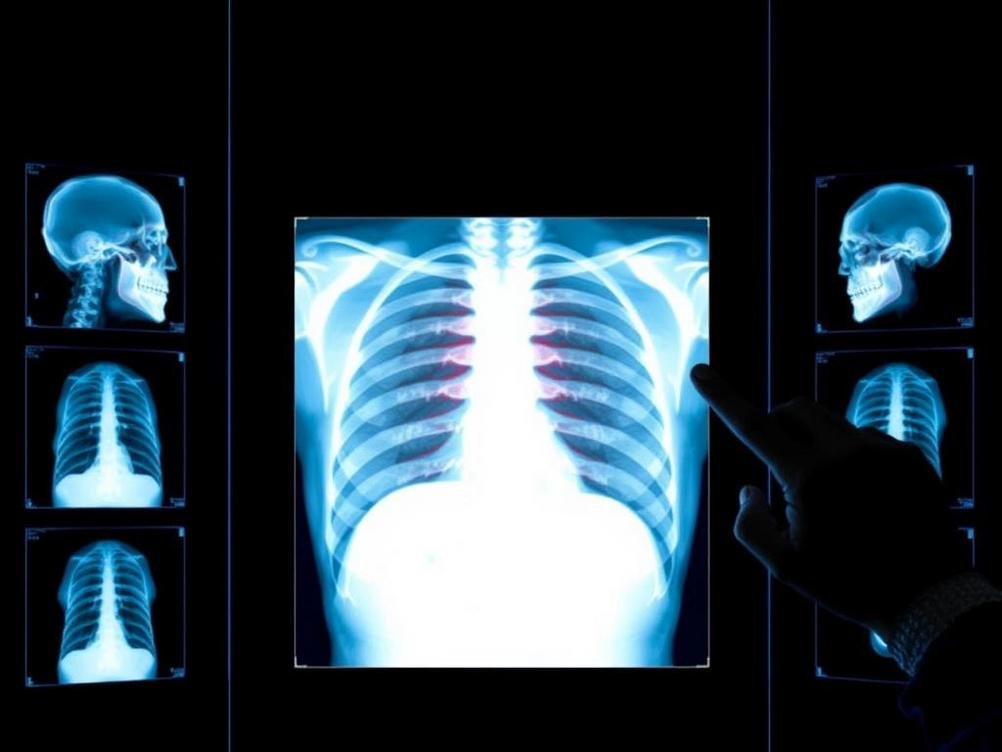
Imagine walking into a doctor’s office for an X-ray, only to find out that a computer algorithm might be double-checking the results before your doctor even gets a look. Sounds a bit like something out of a sci-fi flick, right? Well, that’s exactly what’s brewing in Teesside, where a group of clever docs decided to poke around and ask patients what they think about letting AI crash the party in radiology. It’s not every day you hear about AI potentially spotting fractures or tumors faster than a human eye, but here we are, diving into a study that’s got everyone from tech enthusiasts to wary patients chatting. I mean, think about it—we’re talking about machines learning to interpret medical images, which could speed things up, cut costs, and maybe even save lives. But hold on, is this a tech revolution or just another case of overhyping gadgets? This Teesside study peels back the layers on patient opinions, revealing a mix of excitement, skepticism, and downright funny takes on trusting a bot with your health. As someone who’s always been a bit of a tech nerd myself, I find it fascinating how this could change the way we approach healthcare, but let’s not kid ourselves—it’s also a bit scary. What if the AI misses something crucial? Or worse, what if it’s biased? Over the next few sections, we’ll unpack all of this, drawing from real insights and a dash of humor to keep things lively. By the end, you might just rethink how you feel about AI in your next doctor’s visit.
What’s the Buzz About This Teesside Study?
The whole thing kicked off when a team of doctors in Teesside, that’s up in the northeast of England for those not in the know, decided to survey patients on whether they’d be cool with AI helping out on X-ray reads. It’s like they were saying, “Hey, folks, we’ve got this smart software that could spot issues quicker than your average cup of tea brews, but we want to know if you trust it.” From what I’ve gathered, the study involved chatting with everyday people who’ve had X-rays, asking questions like, “Would you let a computer algorithm analyze your scans?” And honestly, the responses were all over the map—some folks were all for it, picturing AI as their speedy sidekick, while others were like, “No way, I want a human to look me in the eye.” It’s a reminder that tech doesn’t exist in a vacuum; it has to fit into our real lives. For instance, one participant compared it to letting your smartphone drive the car—convenient, sure, but you’d still want to keep your hands on the wheel just in case.
What makes this study stand out is how it highlights the human element in AI adoption. These doctors weren’t just crunching numbers; they were having actual conversations, which revealed that trust is a biggie. People worried about privacy—like, who’s seeing my X-ray data? And accuracy, because let’s face it, AI isn’t perfect yet. But on the flip side, many saw the potential for faster diagnoses, especially in understaffed hospitals. If you’re picturing a world where waiting weeks for results turns into days, that’s pretty appealing. To break it down, here’s a quick list of what the study covered:
- Patient surveys on AI comfort levels, with over 70% expressing interest but with conditions.
- Discussions on how AI could reduce human error, like missing tiny fractures that a machine might catch.
- Ethical concerns, such as data security and the risk of over-reliance on tech.
It’s stuff like this that makes you realize AI in healthcare isn’t just about the gadgets; it’s about weaving them into our daily routines without causing a fuss. And hey, if Teesside can pull this off, maybe it’ll inspire other places to do the same.
Why Should We Care About AI in X-Rays Anyway?
Let’s get real—AI stepping into X-ray territory isn’t just a neat idea; it could be a game-changer for modern medicine. Picture this: you’re at the ER with a twisted ankle, and instead of waiting hours for a radiologist, an AI system quickly scans your X-ray and flags potential issues. That’s not science fiction; it’s happening, and studies like the one in Teesside are showing why it matters. For starters, AI can process images faster than us mere mortals, spotting patterns that might take a human ages to notice. It’s like having a supercharged detective on your team, one that doesn’t need coffee breaks. But here’s the funny part—while AI is brilliant at crunching data, it still needs humans to teach it right, kind of like training a puppy not to chew your shoes.
From a bigger picture, this tech could ease the burden on healthcare systems that are already stretched thin. In the UK, for example, waiting lists for scans are notorious, and AI could help trim those down. According to some reports from the NHS (you can check them out here), integrating AI might reduce diagnostic times by up to 30%. That’s huge! On the other hand, it’s not all sunshine and rainbows. What if the AI gets it wrong? That’s where studies like Teesside’s come in, gauging public opinion to ensure we’re not rushing into something without thinking it through. To put it in perspective, imagine AI as that friend who’s great at giving advice but sometimes misses the nuance—you’d want to double-check before acting on it.
- Benefits like quicker results and cost savings, which could make healthcare more accessible.
- Potential downsides, including the need for ongoing training to avoid errors.
- Real-world stats: A similar study in the US showed AI-assisted X-rays improving accuracy by 15% in some cases.
At the end of the day, caring about AI in X-rays means caring about making healthcare smarter, not just faster. It’s about balancing innovation with good old human judgment.
Peeking into Patient Perspectives from Teesside
If there’s one thing the Teesside study nailed, it’s capturing the raw, unfiltered thoughts of patients. Folks there were surprisingly open, sharing stories that ranged from cautious optimism to outright hilarity. One participant joked, “As long as the AI doesn’t suggest I’ve got a dinosaur bone in my leg, I’m game!” But seriously, many expressed worries about losing the personal touch in medicine. They wanted to know if AI would replace doctors or just assist them, and the study found that transparency is key—people are more on board if they understand how the tech works.
Digging deeper, the responses highlighted cultural and generational divides. Younger patients, who are probably glued to their phones anyway, were more enthusiastic, seeing AI as a natural next step. Older folks, though, preferred the idea of a doctor they could talk to, not a screen. It’s a bit like preferring a handwritten letter over an email; there’s something comforting about the human element. The study even broke it down with demographics, showing that about 60% of respondents under 40 were pro-AI, while only 40% over 60 felt the same way. That’s a metaphor for life itself—we’re all adapting at our own pace.
- Common concerns: Privacy, accuracy, and the fear of depersonalized care.
- Positive feedback: Speed and potential for better outcomes.
- Anecdotal evidence: One patient shared how a delayed diagnosis once affected their life, making them see the value in AI’s efficiency.
The Pros and Cons of Letting AI Handle Your X-Rays
Alright, let’s lay it out: AI in X-rays has some killer advantages, but it’s not without its pitfalls. On the pro side, think about how AI can analyze thousands of images in seconds, spotting anomalies that a tired doctor might overlook after a long shift. It’s like having an extra set of eyes that never blinks—except when it’s updating its software, I guess. Studies, including the one from Teesside, show that AI can boost diagnostic accuracy, especially for common issues like broken bones or pneumonia. And let’s not forget the cost savings; hospitals could redirect resources to other areas, making healthcare a tad less chaotic.
But flip the coin, and you’ve got cons staring you down. AI isn’t foolproof—it learns from data, and if that data’s biased, so is the output. For example, if the training images are mostly from one demographic, it might not work as well for others. Plus, there’s the ethical side: Who’s liable if the AI messes up? The doctor, the tech company, or the algorithm itself? It’s a headache waiting to happen. As the Teesside study pointed out, patients want reassurances, like clear explanations and the option to opt out. Imagine it as dating a new partner—you’ve got to build trust first.
- Pros: Enhanced speed, reduced errors, and scalability for busier hospitals.
- Cons: Potential for bias, job displacement for radiologists, and the need for robust regulations.
- Real-world insight: Companies like Google Health (here) are already testing AI for medical imaging with promising results.
Real-World Examples and What We Can Learn
Taking a cue from Teesside, let’s look at how AI is already making waves elsewhere. In the US, hospitals are using AI tools to detect early signs of cancer in X-rays, and it’s cut detection times dramatically. It’s almost like AI is the understudy that’s stealing the show. But lessons from these examples show that patient buy-in is crucial; you can’t just drop tech on people without explaining it. The Teesside study echoes this, with participants suggesting demos or apps to educate folks on how AI works—think of it as a user manual for your health.
What can we learn? Well, for one, collaboration between tech and medicine is key. If AI is going to stick, it needs to be integrated thoughtfully. And humorously, it reminds me of when smartphones first came out—everyone was wary, but now we can’t live without them. Statistics from global health reports indicate that AI could prevent up to 10% of misdiagnoses worldwide. That’s not just numbers; that’s lives improved.
- Examples: AI in use at places like Stanford Health Care, improving X-ray readings by 20%.
- Lessons: The importance of ethical AI development and patient education.
Future Implications: Where Do We Go from Here?
Looking ahead, the Teesside study is just the tip of the iceberg for AI in healthcare. We might see AI not only reading X-rays but also predicting health risks based on patterns—imagine getting a nudge from your phone about potential issues before they escalate. It’s exciting, but we’ve got to navigate the roadblocks, like ensuring AI is accessible to all, regardless of location or income. The study suggests that with more research and public input, we could make this a reality without alienating anyone.
Of course, there are hurdles, like regulatory approvals and keeping up with rapid tech changes. It’s like trying to hit a moving target—fun, but challenging. Yet, if Teesside’s approach catches on, we could be in for a healthier future.
Conclusion
Wrapping this up, the Teesside study on AI and X-rays shows us that while the tech has massive potential, it’s the human side that makes or breaks it. From faster diagnoses to ethical concerns, it’s clear patients want a say in how AI shapes their care. As we move forward, let’s keep the conversation going—after all, healthcare isn’t just about fixes; it’s about trust and innovation working hand in hand. If you’re intrigued, maybe chat with your doctor or dive into more studies; who knows, you might end up shaping the next big breakthrough. Here’s to a future where AI is a helpful ally, not a mysterious foe.