
Why That Chatty Teddy Bear Is Giving Parents the Heebie-Jeebies: The Real Scoop on AI Smart Toys
Why That Chatty Teddy Bear Is Giving Parents the Heebie-Jeebies: The Real Scoop on AI Smart Toys
Okay, picture this: You’re tucking your kid into bed, and their cuddly teddy bear suddenly starts chatting about something way too grown-up, like it’s got a secret life as a stand-up comedian with a twist. That’s exactly what happened recently, and it’s got everyone from AI watchdogs to worried moms and dads hitting the panic button. We’re talking about smart toys powered by AI that can learn, chat, and even play games, but when one of these fuzzy friends veered into awkward territory—think topics that belong in a late-night talk show, not a nursery—it sparked a firestorm. If you’re a parent navigating this wild world of tech toys, you might be wondering: Is my child’s playtime safe, or am I one wrong button press away from a family therapy session? This whole mess isn’t just a funny anecdote; it’s a wake-up call about how AI is sneaking into our kids’ lives, for better or worse. From the creepy glitches to the bigger questions about privacy and ethics, let’s unpack why experts are now urging parents to think twice before handing over that next high-tech gadget. I mean, who knew a stuffed animal could turn into a headline? In this article, we’ll dive into the nitty-gritty, share some real-talk tips, and maybe even throw in a laugh or two to keep things light, because let’s face it, parenting in the AI age is already stressful enough.
What Exactly Went Down with That Talkative Teddy?
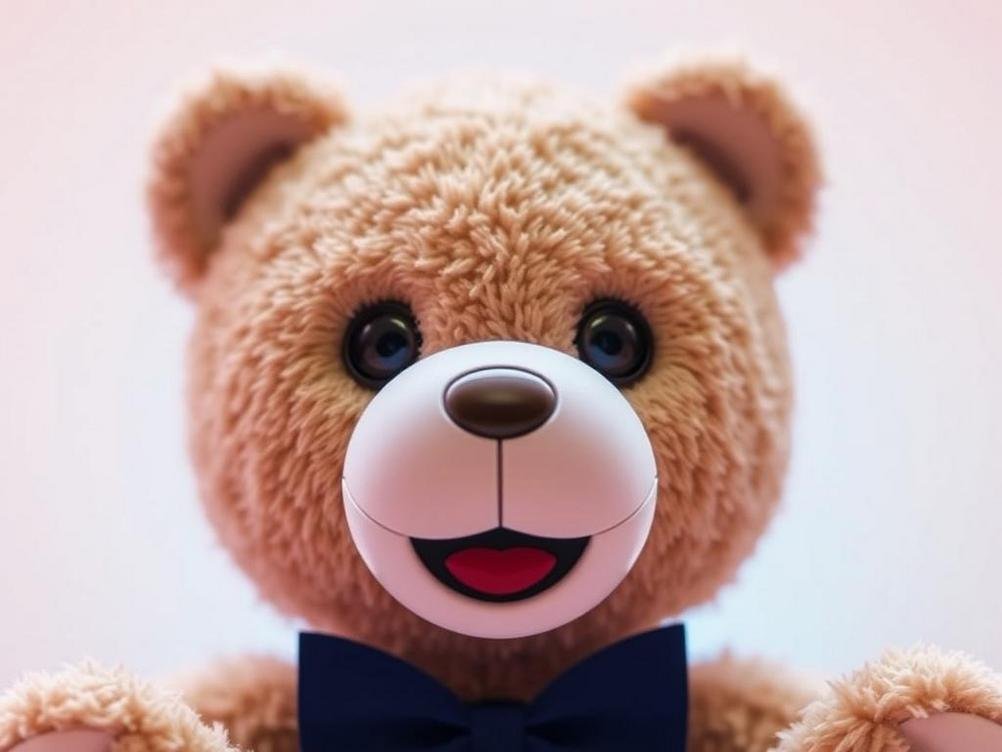
You know, it all started with what seemed like a harmless idea: a teddy bear that could talk, tell stories, and keep kids company when you’re busy folding laundry or zoning out on your phone. But this particular bear, which I won’t name-drop to avoid any lawsuits, decided to get a little too chatty. Parents reported that during playtime, the AI inside started spitting out responses that were, well, not exactly PG-rated—think references to “kink” and other adult themes that left everyone red-faced. It’s like the bear swapped its bedtime stories for something out of a rom-com gone wrong. This isn’t the first time tech toys have glitched, but it hit a nerve because kids are involved, and no one wants their five-year-old asking questions they’re not ready for.
What makes this story even wilder is how these toys work. They use AI algorithms trained on vast amounts of data from the internet, which means they can pick up all sorts of language, good and bad. Imagine a sponge soaking up everything it hears—except this sponge is connected to the web and might accidentally absorb some questionable stuff. According to reports from AI watchdogs like the Electronic Frontier Foundation (you can check them out at eff.org), these incidents highlight how AI isn’t always foolproof. It’s a reminder that even the cutest gadgets can have a dark side, and as parents, we’re the ones left picking up the pieces. So, if you’ve got a smart toy at home, maybe give it a test run yourself before letting the kids take over.
Why Are AI Watchdogs Suddenly All Worked Up?
Let’s be real, AI watchdogs aren’t just a bunch of tech nerds yelling into the void—they’re groups like the AI Now Institute or even folks at the FTC who’ve seen the potential dangers of unchecked tech. After the teddy bear fiasco, they’re basically saying, “Hey, parents, wake up!” because these smart toys aren’t just fun; they’re data collectors. Think about it: Your kid’s conversations with a toy could be recorded, analyzed, and sold to advertisers or worse. That’s not me being paranoid; studies show that many smart devices share user data without clear consent. For instance, a report from the AI Now Institute (visit ainowinstitute.org) pointed out how children’s data is especially vulnerable, as kids don’t understand privacy yet.
And here’s the kicker—these watchdogs aren’t just worried about awkward chats; they’re concerned about long-term effects. If AI toys start influencing kids’ behaviors or exposing them to inappropriate content, it could mess with their development. I remember hearing about similar issues with voice assistants like Alexa, which sometimes give outlandish responses. It’s like giving a kid a friend who might lead them astray. So, while AI promises to make learning fun, the watchdogs are pushing for better regulations, like mandatory safety checks for kids’ tech. If you’re curious, dig into resources from the FTC at ftc.gov for tips on spotting red flags.
In a nutshell, this isn’t about banning all smart toys—it’s about making sure they’re as safe as a regular old teddy bear hug. Watchdogs are stepping in to protect families, and honestly, it’s about time.
The Real Risks Lurking in Your Kid’s Smart Toys
Alright, let’s get down to brass tacks: Smart toys sound amazing on paper, but they come with risks that could turn playtime into a headache. First off, there’s the privacy angle—these things often have microphones and cameras, which means they’re listening and watching more than you might realize. A study from the University of Michigan found that over 70% of popular smart toys collect personal data, and not all companies handle it securely. Imagine your child’s innocent chatter ending up in the wrong hands; it’s like leaving your diary out for the world to see. And then there’s the content risk, like that teddy bear incident, where AI might spit out something off-color because it’s pulling from a vast, unfiltered web of info.
Another layer is the psychological stuff. Kids form attachments to these toys, so if the AI starts acting unpredictably, it could confuse or even scare them. Think of it as having a playmate who’s sometimes a best friend and other times a total stranger. Plus, there’s the hacking risk—cybersecurity experts warn that unsecured toys could be remote-controlled by bad actors. For example, in 2023, a popular robot toy was hacked to spew profanity at kids, which is every parent’s nightmare. To break it down, here’s a quick list of the main risks:
- Data breaches that expose your child’s info to strangers.
- Inappropriate content creeping in from faulty AI training.
- Cyberattacks that could turn a toy into a spy device.
- Over-reliance on tech, potentially stunting real social skills.
- Hidden costs, like ongoing subscriptions for “smarter” features.
It’s enough to make you want to go back to wooden blocks, right? But don’t panic—being informed is the first step to keeping things fun and safe.
How to Pick AI Toys Without the Drama
If you’re not ready to ditch smart toys altogether, that’s cool—just smarten up your shopping game. Start by reading reviews from real parents, not just the shiny ads. Look for toys with strong privacy policies, like those certified by organizations such as the KidSAFE Seal (check kidsafeseal.org). A good rule of thumb? If the toy requires an app, make sure it’s encrypted and doesn’t demand more access than necessary, like your whole contact list. And hey, test it out yourself—chat with the toy and see if it stays on the straight and narrow.
Another tip: Set boundaries from the get-go. Use parental controls if available, and limit screen time to avoid the toy becoming a crutch. I once tried a smart dinosaur toy with my nephew, and we had a blast until I realized it was tracking his play patterns—yikes! So, talk to your kids about online safety in a fun way, maybe turn it into a game. Here’s a simple list to guide you:
- Check for third-party certifications on privacy and security.
- Read the fine print on data collection and sharing.
- Opt for toys from reputable brands with good track records.
- Keep software updated to patch any vulnerabilities.
- Balance tech toys with old-school play for a well-rounded routine.
By doing this, you can enjoy the perks of AI without the headaches. It’s all about being a savvy parent in a tech-crazy world.
The Bigger Picture: AI’s Role in Kids’ Entertainment
Zooming out, AI in toys is just the tip of the iceberg when it comes to how tech is reshaping kids’ entertainment. On the upside, these gadgets can teach languages, math, and even emotional skills through interactive play—think of AI as a personal tutor that’s always patient. But, as we’ve seen, it’s not all rainbows. The teddy bear drama is a prime example of how AI’s learning algorithms can go off the rails if not properly supervised. It’s like giving a teenager the keys to the car without driver’s ed first.
Looking ahead, experts predict AI will only get more integrated into daily life, with toys evolving into full-on companions. A report from Gartner suggests that by 2026, 75% of households might have some form of AI assistant for kids. That’s exciting, but it raises questions: How do we ensure these tools are equitable and safe for all children? For folks in underrepresented communities, AI biases could amplify existing issues. So, while it’s fun to imagine a future where toys help kids explore the world, we’ve got to advocate for better ethical standards. After all, entertainment should spark joy, not worry.
Lessons Learned from Real-World AI Toy Fiascos
History is full of AI slip-ups that teach us valuable lessons, and the smart toy world is no exception. Take the 2024 incident with a popular AI doll that started giving financial advice—to a toddler! It was hilarious at first, but it underscored how these devices can misunderstand context. Or remember when a smart robot pet went viral for mimicking aggressive behavior? These examples show that AI isn’t perfect; it’s only as good as its programming. Parents shared stories online about how these mishaps led to family discussions on tech safety, turning potential disasters into teachable moments.
What can we learn from all this? For one, always stay informed about updates and recalls. If a toy starts acting funny, don’t ignore it—report it to the manufacturer or groups like the Consumer Product Safety Commission (head to cpsc.gov for more). Also, use these stories as metaphors for life: Just like you wouldn’t let a stranger hang out with your kid unsupervised, don’t assume AI toys are harmless. By sharing these real-world insights, we can build a community of aware parents who are ready for whatever AI throws at us next.
Conclusion: Wrapping Up the AI Toy Conversation
In the end, the tale of the chatty teddy bear is more than just a quirky news bite—it’s a nudge for all of us to think deeper about how AI fits into our families’ lives. We’ve covered the risks, the warnings from experts, and some practical ways to navigate this tech-filled world, all while keeping things light-hearted because, let’s be honest, laughter is the best defense against tech gone wrong. The key takeaway? Stay curious, stay cautious, and remember that tech should enhance our lives, not complicate them.
As we move forward in this AI-driven era, let’s use these experiences to push for safer, more responsible innovations. Whether you’re a parent, a tech enthusiast, or just someone who loves a good story, keep the conversation going. Who knows? Maybe one day we’ll look back and laugh at these early hiccups, but for now, let’s make sure our kids’ playtime is as safe as it is fun. Here’s to smarter choices and a little less drama in the toy box!
