dailytech.ai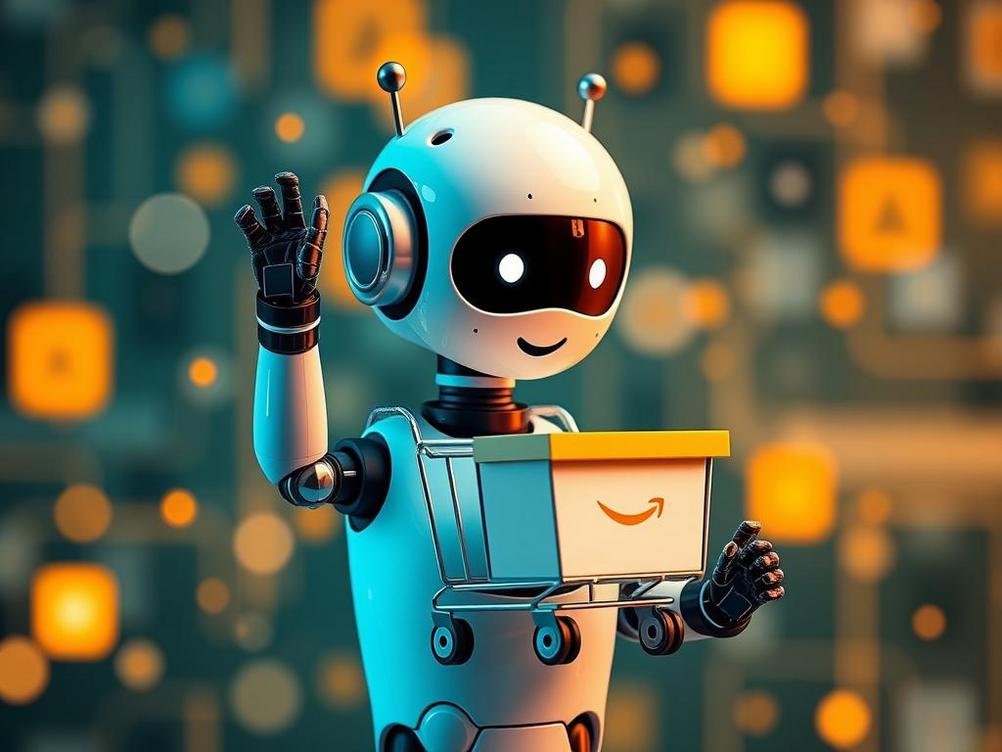
How AI Shopping Bots Are Shaking Up Amazon’s E-Commerce Empire
Ever wondered what happens when a smart piece of code gets a shopping list and decides to outsmart the biggest online retailer on the block? Picture this: You’re scrolling through your favorite sites, adding stuff to your cart, but suddenly, an AI bot swoops in like a digital ninja, snagging the best deals faster than you can say ‘Add to Cart.’ That’s the buzz around AI shopping bots right now, and boy, are they giving Amazon a run for its money. We’re talking about these clever algorithms that can compare prices, predict trends, and even haggle for you – all while Amazon’s been reigning supreme as the go-to for everything from toothpaste to tech gadgets. But with AI stepping in, the e-commerce world might be on the verge of a massive shake-up. I’ve been following this for a while, and it’s wild to see how these bots are not just tools but potential game-changers that could flip the script on how we shop online. Think about it: What if your virtual assistant could shop smarter than you? It’s exciting, a bit scary, and definitely worth diving into. In this article, we’ll break down what these AI bots are, why they’re threatening Amazon’s dominance, and what it all means for us everyday shoppers and businesses alike. By the end, you might just rethink your next online purchase.
What Exactly Are AI Shopping Bots?
Okay, let’s start with the basics because if you’re like me, you’ve probably heard the term ‘AI shopping bot’ thrown around but aren’t totally sure what it means. These aren’t some sci-fi robots roaming the aisles of a virtual mall; they’re smart software programs designed to automate and optimize your shopping experience. Imagine a personal shopper who’s always on duty, powered by artificial intelligence to scout for deals, track prices, and even make recommendations based on your past purchases. It’s like having a friend who’s obsessed with bargains, but way more efficient.
These bots use machine learning to learn from your habits. For instance, if you always buy organic coffee beans, the bot might predict when they’re about to go on sale and snag them for you. Companies like Honey or Capital One Shopping have bots that do this, plugging into your browser to compare prices across sites in real-time. It’s hilarious to think about – Amazon built its empire on convenience, but now these bots are turning the tables by making every site as convenient as Amazon. And here’s a fun fact: According to a report from Statista, the global AI in retail market is expected to hit over $20 billion by 2027. That’s not chump change; it’s a sign that these bots are here to stay and evolve.
- They scan multiple websites for the lowest prices instantly.
- Some even apply coupons automatically, saving you the hassle of hunting them down.
- Others use predictive analytics to suggest products you’ll love, based on your data.
How AI Shopping Bots Actually Work and Why They’re a Big Deal
So, how do these bots pull off their magic tricks? It’s all about data crunching and algorithms that make decisions faster than you can blink. A bot might start by analyzing your shopping history, then it dives into vast databases of product info, current prices, and even user reviews. The real kicker is how they use natural language processing to understand deals or chat with customer service bots on other sites. It’s like they’re playing chess while we’re still learning checkers.
Why is this a threat to Amazon? Well, Amazon’s strength has always been its vast ecosystem – Prime delivery, personalized recommendations, and that one-click purchase button. But AI bots from competitors, like those from Walmart or emerging startups, can now integrate across platforms, making it easier to shop anywhere without being tied to Amazon. I’ve tried a few myself, and let me tell you, it’s addictive. One time, a bot found me a laptop for 20% less than on Amazon just by checking alternatives. If you’re a business owner, this could mean rethinking your strategy because customers might not need your platform if bots can handle everything.
- Step 1: The bot collects data from your inputs and online behavior.
- Step 2: It uses AI to analyze patterns and predict what you’ll want next.
- Step 3: Finally, it executes purchases or alerts you to deals, all while keeping things secure.
The Real Impact on Amazon’s Dominance
Amazon isn’t just some company; it’s the 800-pound gorilla of e-commerce, controlling a huge chunk of online sales. But enter AI shopping bots, and suddenly, that gorilla might be looking over its shoulder. These bots could erode Amazon’s market share by directing traffic elsewhere. For example, if a bot recommends a cheaper option on eBay or Best Buy, why stick with Amazon? It’s like Amazon’s own innovations are coming back to haunt it, since they pioneered personalized shopping, but now others are one-upping them.
I remember reading about how in 2024, reports from eMarketer showed Amazon’s U.S. e-commerce market share dipped slightly for the first time in years, partly due to rising competition from AI-driven tools. That’s a wake-up call! If Amazon doesn’t adapt, they could lose their edge. On a lighter note, imagine Jeff Bezos waking up to find his empire under siege by code – it’s almost comical, but it’s serious business. Businesses relying on Amazon might need to diversify, or they could get caught in the crossfire.
Real-World Examples and Success Stories
Let’s get practical – what does this look like in action? Take a bot like CamelCamelCamel, which tracks Amazon prices over time and alerts you when to buy. But now, advanced bots are going beyond that, integrating with apps like Google Shopping or even your smart home devices. A friend of mine used one to score a new TV during Black Friday, saving hundreds by comparing deals across sites. It’s not just about saving money; it’s about smarter shopping that feels almost psychic.
Another example is how companies like Shopify are embedding AI bots into their platforms, allowing smaller retailers to compete with Amazon’s scale. If you’re into stats, a study by McKinsey highlighted that AI could automate up to 50% of retail tasks by 2030, meaning bots will handle everything from inventory to customer service. And for a laugh, think of it as the bots playing matchmaker between you and the perfect product – who needs Cupid when you’ve got algorithms?
- Apps like Honey have helped users save over $1 billion (as per their site) by finding coupons automatically.
- Startups like Rebuy use AI to resell your old stuff, creating a circular economy that Amazon is only just catching up to.
The Pros and Cons of Relying on AI Shopping Bots
Alright, nothing’s perfect, right? AI shopping bots are awesome for convenience, but they’ve got their downsides too. On the plus side, they save time and money, which is a win for busy folks like us. They can even help with ethical shopping by flagging sustainable options or avoiding shady sellers. But here’s the rub: What if the bot makes a mistake, like buying the wrong size or falling for a scam? It’s like trusting a robot babysitter – mostly reliable, but you still want to keep an eye on things.
On the flip side, there’s privacy concerns. These bots track your every click, which might make Amazon’s data collection seem tame. According to a Consumer Reports survey, about 60% of people are worried about how their data is used in AI. So, while bots are shaking up e-commerce, we need to weigh the benefits against the risks. Personally, I use them sparingly and always double-check – it’s about balance, you know?
- Pros: Instant savings, personalized recommendations, and less decision fatigue.
- Cons: Potential for errors, data privacy issues, and over-reliance that might kill the joy of shopping.
What’s Next for E-Commerce in the Age of AI Bots?
Looking ahead, the future of e-commerce with AI bots is like a choose-your-own-adventure story. Amazon might respond by doubling down on their AI, perhaps with even smarter Alexa integrations or exclusive bot partnerships. Meanwhile, new players could emerge, making shopping more democratized. It’s exciting to think about voice-activated bots that handle your grocery list while you’re driving – no more forgotten milk runs!
But let’s not forget the human element. Will we lose the thrill of browsing and discovering new things? Probably not entirely, but AI could push e-commerce towards hyper-personalization. A report from Gartner predicts that by 2026, AI will influence 75% of consumer interactions, so businesses better get on board. For us shoppers, it’s a brave new world – one where bots might do the legwork, but we still call the shots.
Conclusion
In wrapping this up, AI shopping bots aren’t just a fad; they’re a seismic shift that’s challenging Amazon’s iron grip on e-commerce. We’ve seen how they work, their impact, and the potential pitfalls, and it’s clear this tech is here to stay and evolve. Whether you’re a shopper looking to save big or a business adapting to change, embracing these tools could be the key to thriving in this digital age. So, next time you’re online shopping, give a bot a try – who knows, it might just become your new best friend. Let’s keep an eye on how this plays out; it’s bound to be an entertaining ride!