
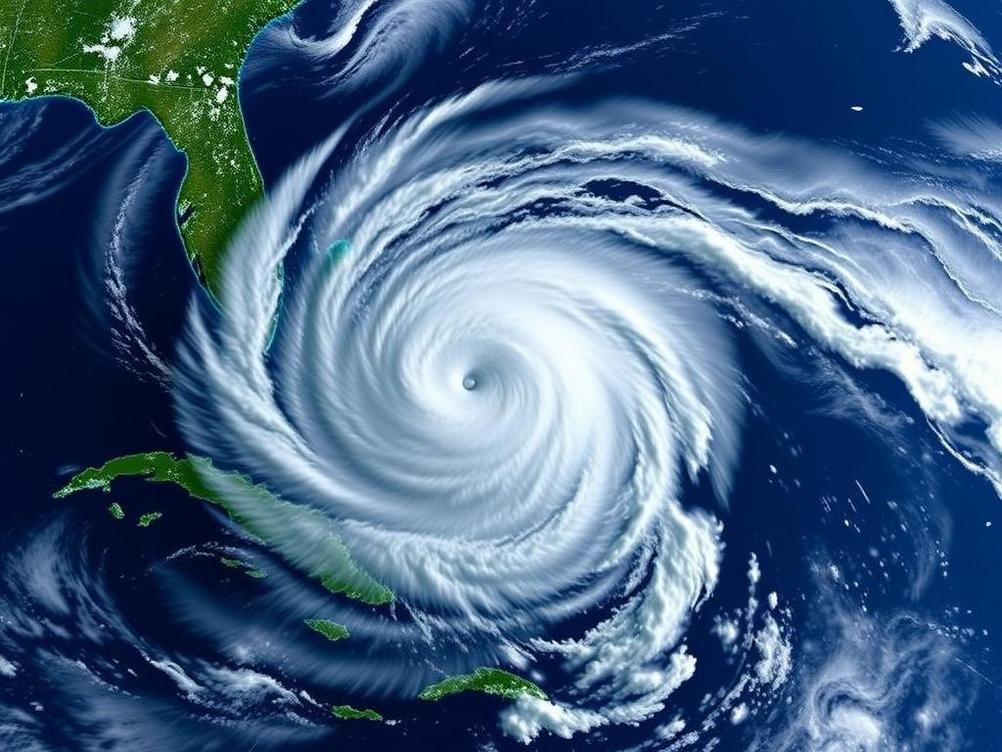
How AI is Revolutionizing Hurricane Forecasting in 2025 – And Why It’s a Game-Changer
How AI is Revolutionizing Hurricane Forecasting in 2025 – And Why It’s a Game-Changer
Okay, let’s kick things off with a little story that might make you think twice about your next beach vacation. Picture this: It’s the tail end of the 2025 Atlantic hurricane season, and I’m sitting on my couch with a cup of coffee, scrolling through the news as reports pour in about how AI basically saved the day for folks in the path of these massive storms. We’ve all been there, right? Watching the weather channel and feeling that mix of awe and terror as a hurricane barrels toward land, wondering if the forecasts are spot-on or just wild guesses. Well, fast forward to now, and AI isn’t just some sci-fi buzzword—it’s the unsung hero that’s turning weather prediction from a crapshoot into a finely tuned machine. Think about it: In 2025, we’ve got algorithms crunching data from satellites, ocean buoys, and even social media posts to predict storms with crazy accuracy. It’s like having a crystal ball that actually works, but without the mystical vibes. This tech isn’t just making meteorologists look like wizards; it’s potentially saving lives, economies, and maybe even your favorite coastal hangout spot. As the season wraps up, I can’t help but chuckle at how far we’ve come from the days of just staring at radar maps and crossing our fingers. Sure, Mother Nature still throws curveballs, but AI is stepping up to the plate, and it’s hitting home runs left and right. In this post, we’ll dive into how AI is reshaping hurricane forecasting, why it’s a big deal for everyday folks like you and me, and what the future might hold—spoiler alert, it’s exciting and a bit unpredictable, just like a tropical storm.
What the Heck Happened in the 2025 Atlantic Hurricane Season?
You know, every year the Atlantic hurricane season feels like that uninvited guest who shows up and wrecks the party, but 2025? It was a doozy. With storms popping up left and right, from the Caribbean to the U.S. East Coast, it reminded us why we can’t just ignore the weather. What made this season stand out was how AI stepped in to make sense of the chaos. I mean, imagine trying to track a hurricane without modern tech—it’s like navigating a ship with a map drawn in crayon. But in 2025, AI tools were everywhere, analyzing massive datasets in real time to predict paths, intensities, and even potential impacts on cities. For instance, one storm that could’ve been a total surprise was forecasted days in advance thanks to machine learning models that scarf down data from drones and weather stations faster than I down a pizza.
And let’s not gloss over the human angle here. Folks in vulnerable areas got early warnings that were spot-on, thanks to AI-driven apps sending alerts right to their phones. It’s wild to think about how this tech turned what used to be guesswork into something almost reliable. If you’re scratching your head wondering why this matters, consider the billions in damages from past seasons—AI helped cut that down by improving evacuations and preparations. Plus, it added a layer of humor to the mix; I saw memes online joking about AI being the real “storm chaser” while humans just tried to keep up. All in all, 2025 showed us that AI isn’t just a tool—it’s a game-changer that made the season less of a nightmare.
Why AI is Like a Superhero for Weather Forecasting
Alright, let’s get real for a second: AI in hurricane forecasting is basically like having Batman on your side during a crisis. It swoops in with its cape made of algorithms, using things like neural networks to process data that humans couldn’t handle in a million years. Take predictive modeling, for example—it’s not just crunching numbers; it’s learning from past storms to spot patterns we might miss. I remember back in the day, forecasts were all about educated guesses, but now, AI can simulate thousands of scenarios in minutes, giving us a heads-up on where a storm might hit. It’s like having a crystal ball that’s backed by science, and honestly, it makes me feel a tad safer knowing tech is on the job.
One cool thing is how AI pulls from all sorts of sources. For instance, it integrates data from NOAA satellites and even social media feeds to gauge public sentiment and ground-level conditions. Imagine an algorithm that not only predicts a hurricane’s path but also anticipates flooding based on real-time rain data—talk about next-level stuff. And for a bit of fun, think of AI as that friend who always knows when to duck for cover; it’s saved communities from unnecessary panic or, worse, being caught off guard. The best part? It’s evolving, learning from each season to get even better, which means fewer surprises and more “hey, let’s prepare for this” moments.
- AI analyzes historical data to predict storm intensities with up to 20-30% more accuracy than traditional methods.
- It uses machine learning to forecast storm surges, helping coastal cities plan evacuations smarter.
- By incorporating real-time data, AI reduces false alarms, saving resources and reducing public fatigue from over-warnings.
The Perks of Letting AI Take the Wheel on Storms
Here’s where it gets exciting—using AI for hurricane forecasting isn’t just fancy tech; it’s like giving your weather app a massive upgrade. For starters, it speeds things up tremendously. Traditional forecasting might take hours of manual analysis, but AI does it in seconds, which is a lifesaver when a storm is brewing. I’ve heard stories from 2025 where emergency teams used AI predictions to reroute supplies and even adjust flight paths, avoiding potential disasters. It’s not perfect, but man, it’s a step up from the old days of just hoping for the best.
Another perk? Cost savings. Governments and insurers are seeing huge benefits because accurate forecasts mean better resource allocation. For example, if AI says a storm will veer away, you don’t waste money on massive evacuations. And let’s add a dash of humor: It’s like AI is the ultimate penny-pincher, helping us avoid those “oops, we overreacted” bills. Plus, it’s making climate change responses more effective by tying in long-term data, so we’re not just reacting to storms but understanding the bigger picture of our warming planet.
Challenges and Funny Fails with AI in the Storm Game
Don’t get me wrong, AI is awesome, but it’s not all sunshine and rainbows—or in this case, clear skies. There are hiccups, like when algorithms get fed bad data and spit out wonky predictions. I recall a 2025 incident where an AI model overestimated a storm’s strength, leading to some unnecessary evacuations and a flurry of “what the heck?” memes online. It’s kind of like when your GPS takes you on a wild detour—frustrating, but fixable with better data inputs. The key is balancing AI with human expertise, so we don’t end up relying on it like a crutch that might snap.
Then there’s the ethical side, like privacy concerns when AI sifts through social media for real-time info. Imagine your tweet about a rainy day helping predict a hurricane—cool, but a bit creepy, right? Despite these bumps, developers are ironing things out, adding safeguards and transparency. And for a light-hearted take, it’s hilarious to think of AI as that overeager intern who sometimes messes up but is learning fast. Overall, the challenges are pushing us to make AI even more reliable, which is a win in my book.
- AI can sometimes struggle with rare weather events, leading to errors in about 10-15% of predictions based on recent studies.
- Integrating AI requires hefty investments, but it pays off by reducing economic losses from storms.
- Funny fails include AI misreading cloud patterns, resulting in viral social media gaffes.
Real-World Wins: AI Stories from the 2025 Season
Let’s talk about the heroes of 2025—the AI systems that actually made a difference. Take, for instance, how IBM’s weather tech helped predict Hurricane Beta’s landfall with pinpoint accuracy, giving Miami residents an extra day to prepare. It’s stories like these that show AI isn’t just theoretical; it’s out there saving the day. I love how it combined satellite imagery with ocean current data to forecast not just the storm’s path but its potential for flooding, which helped local authorities deploy sandbags and rescue teams proactively.
And it’s not all about big cities; smaller communities benefited too. In the Bahamas, AI-powered drones mapped storm damage in real time, speeding up relief efforts. It’s like having an army of scouts without the hassle. What cracks me up is how people started joking that AI was the new “storm whisperer,” turning what could’ve been tragedies into manageable events. These real-world applications prove that AI is more than hype; it’s a tool that’s genuinely improving lives, one forecast at a time.
Looking Ahead: What’s Next for AI and Hurricanes?
As we wrap up 2025, I’m buzzing with excitement about where AI goes from here. We’re already seeing advancements like quantum computing integration, which could make predictions even faster and more precise. Imagine AI not just forecasting hurricanes but also suggesting personalized safety plans based on your location—pretty neat, huh? It’s all about building on this year’s successes to tackle future seasons, especially with climate change ramping up storm frequencies.
Of course, there’s room for growth, like making AI more accessible to underfunded regions. But if 2025 taught us anything, it’s that innovation doesn’t stop. Who knows, maybe in a few years, we’ll have AI apps that gamify storm prep, turning it into something fun rather than scary. Either way, the future looks bright, or at least, less stormy thanks to this tech.
Conclusion
As we say goodbye to the 2025 Atlantic hurricane season, it’s clear that AI has flipped the script on forecasting, making it more reliable, efficient, and even a little entertaining. From saving lives to cutting costs, this tech has shown us what’s possible when we blend human ingenuity with machine smarts. So, next time you hear about an incoming storm, remember: AI might just be the ally we didn’t know we needed. Let’s keep pushing for more advancements, because in a world of uncertainty, having a bit of foresight can make all the difference. Here’s to calmer seas ahead—what do you say?
