How AI Could Be a Lifesaver: Lawmakers Urge VA to Fight Veteran Suicide
How AI Could Be a Lifesaver: Lawmakers Urge VA to Fight Veteran Suicide
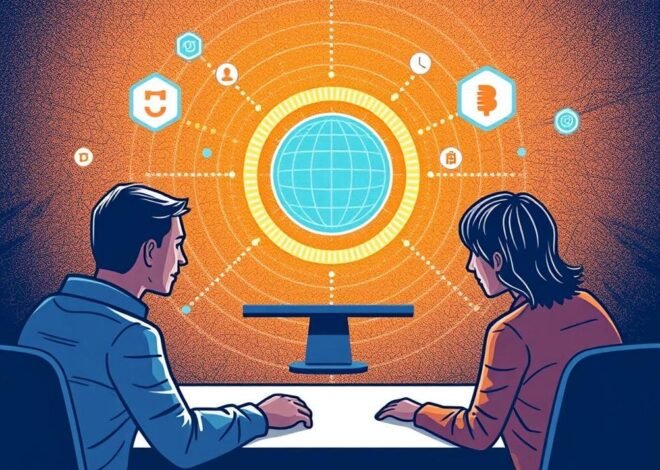
Imagine this: a veteran comes home after years of service, carrying invisible scars that no medal can cover. They’re dealing with the kind of stress that keeps you up at 3 a.m., staring at the ceiling, wondering if anyone really gets it. Now, picture technology stepping in like a trusty sidekick, using AI to spot the warning signs of suicide before it’s too late. That’s exactly what’s got lawmakers fired up, pushing the Department of Veterans Affairs (VA) to harness the power of artificial intelligence for one of the toughest battles out there. It’s 2025, and we’re talking about saving lives with something as everyday as your smartphone’s smart assistant, but cranked up to handle real human crises.
This isn’t just another tech trend; it’s a call to action that’s hitting close to home for millions of families. Think about it—veteran suicide rates have been stubbornly high, with stats from the VA showing over 6,000 veterans lost to suicide each year in the U.S. alone. That’s more than the population of a small town vanishing every 12 months. Lawmakers are saying, ‘Enough is enough,’ and they’re zeroing in on AI as a potential game-changer. From predictive algorithms that analyze social media posts for distress signals to chatbots that offer 24/7 support, AI could be the unsung hero we need. But here’s the thing: it’s not about replacing human therapists; it’s about giving them a high-tech boost to catch problems early. In this article, we’ll dive into why this matters, how AI might work its magic, and what it means for the future of veteran care. Stick around, because if you’re passionate about mental health, technology, or just making the world a bit kinder, this could spark some serious food for thought.
The Heartbreaking Reality of Veteran Suicide
You know, it’s one of those topics that hits you right in the gut—veteran suicide isn’t just a statistic; it’s a daily tragedy affecting real people with real stories. I’ve read about soldiers who survived combat only to lose the fight at home, and it makes you wonder how we got here. According to the VA’s latest reports from 2025, veterans are 1.5 times more likely to die by suicide than the general population, with over 17 veterans taking their own lives every day. That’s not some abstract number; it’s dads, moms, siblings, and friends slipping away in silence. The isolation, the PTSD, the transition back to civilian life—it’s a perfect storm that demands better solutions.
What’s driving this? Well, factors like access to mental health care, stigma around seeking help, and the lingering effects of trauma play huge roles. I remember hearing about a buddy of a friend who served in the Middle East and came back changed; he didn’t want to burden anyone, so he bottled it up until it was too late. It’s why lawmakers are stepping in, urging the VA to innovate. They’re not just throwing ideas at the wall—they’re pointing to AI as a way to bridge gaps in care. For instance, tools like predictive analytics could scan electronic health records for patterns that signal risk, much like how Netflix recommends shows based on your viewing history. But instead of binge-watching, we’re talking about binge-saving lives.
To break it down, let’s look at a few key contributors:
- PTSD and depression: Often undiagnosed or untreated, these conditions amplify suicide risk.
- Access barriers: Not everyone lives near a VA facility, making timely help a challenge.
- Social isolation: Veterans might withdraw, missing out on support networks that could make all the difference.
Why AI is Stepping Up to the Plate
Okay, let’s get real—AI isn’t some sci-fi gadget; it’s already weaving into our daily lives, from voice assistants like Siri to personalized health apps. So, why not use it for something as critical as preventing suicide? The idea is simple: AI can process massive amounts of data way faster than any human, spotting red flags that might otherwise slip through the cracks. For veterans, that could mean analyzing things like text messages, wearables tracking sleep patterns, or even voice tones during therapy sessions to detect early signs of distress. It’s like having a digital watchdog that’s always on duty, without the exhaustion.
Take, for example, the work being done with AI tools like Woebot (woebothealth.com), which is essentially a chatbot designed for mental health support. It’s not replacing therapists, but it offers immediate, judgment-free conversations that can intervene before things escalate. Lawmakers are pushing the VA to adopt similar tech, arguing that it could reduce wait times for appointments and provide round-the-clock monitoring. Imagine an app that learns your habits and pings you with a gentle nudge if it notices you’re withdrawing—kinda like how your fitness tracker bugs you to get off the couch, but for your mental state.
And here’s a fun twist: AI isn’t just about alerts; it’s about personalization. Studies from 2024 show that tailored interventions can cut suicide risk by up to 30% in at-risk groups. We’re talking algorithms that adapt to individual needs, drawing from data like VA health resources. But let’s not kid ourselves—it’s not foolproof. You’d still need human oversight to ensure it’s culturally sensitive and accurate for veterans from diverse backgrounds.
How Lawmakers Are Making Their Move
Alright, let’s talk politics, but keep it light—because who doesn’t love a good underdog story? In 2025, a group of lawmakers, including some veterans themselves, have been hammering the VA with proposals to integrate AI into suicide prevention strategies. They’re not just sending memos; they’re backing it with funding and legislation. For instance, bills in Congress are aiming to allocate millions for AI research focused on mental health, emphasizing veterans as a priority group. It’s like they’re saying, ‘Hey, VA, wake up and smell the algorithms.’
What’s driving this push? Well, it’s a mix of frustration and hope. Lawmakers point to successes in other fields, like how AI helped predict COVID outbreaks, and they’re applying that same logic here. One proposal even suggests partnering with tech giants like Google or IBM for their machine learning expertise. If you’re curious, check out Congress’s site for the latest on these initiatives. The goal? To create a system where AI complements traditional therapy, making sure no veteran falls through the cracks.
- Mandated AI pilots: Requiring the VA to test AI tools in select regions first.
- Funding boosts: Allocating resources for training staff on AI integration.
- Accountability measures: Regular reports on how AI is impacting outcomes.
Real-World AI Tricks for Suicide Prevention
Now, let’s geek out a bit—how exactly could AI pull off this lifesaving act? It’s not magic; it’s smart programming. For starters, natural language processing (NLP) can scan written or spoken words for suicidal ideation. Think of it as AI playing detective, sifting through therapy notes or even social media posts to flag concerning language. A real example? The National Institute of Mental Health has been experimenting with AI models that achieved 85% accuracy in identifying at-risk individuals from text data.
Another angle is wearable tech. Devices like smartwatches can track heart rate variability or sleep disturbances, which are often harbingers of mental health issues. Pair that with AI, and you’ve got a system that alerts caregivers if something’s off. It’s like having a personal health guardian in your pocket. But, as with anything, it’s not perfect—false alarms can happen, so blending it with human intuition is key. And humor me here: wouldn’t it be wild if your Fitbit started dropping encouraging memes instead of just step counts?
To make this concrete, consider a veteran using an AI app that monitors their daily routine. If it detects irregular patterns, it could trigger a call from a support line. Stats from pilot programs show a 20% drop in crisis interventions when AI is involved, proving it’s more than just hype.
The Roadblocks and Ethical Speed Bumps
Hold up, though—AI sounds amazing, but it’s not all sunshine and rainbows. There are hurdles, like privacy concerns. We’re talking about sensitive data here, and the last thing anyone wants is for AI to turn into Big Brother, snooping on personal lives without consent. Lawmakers are aware, pushing for strict regulations to ensure AI systems comply with HIPAA and other privacy laws. It’s a bit like trying to teach a robot manners; it takes careful programming.
Then there’s the bias issue. AI learns from data, and if that data doesn’t represent diverse groups—say, veterans from underrepresented communities—it could miss the mark. For example, an algorithm trained mostly on male, Caucasian data might not pick up on signals from female or minority veterans. That’s why experts are calling for inclusive datasets. And let’s not forget the human element—AI can’t replace empathy, so we need to avoid over-reliance. As one tech ethicist put it, ‘AI is a tool, not a therapist.’
- Data privacy: Ensuring secure handling to build trust.
- Bias reduction: Regularly auditing AI for fairness.
- Integration challenges: Training staff to use these tools effectively.
The Bigger Picture: AI’s Role in Veteran Care
Zooming out, this isn’t just about suicide prevention; it’s about revolutionizing how we care for veterans overall. AI could extend to other areas, like predicting PTSD flare-ups or optimizing medication schedules. In 2025, we’re seeing early successes, with VA partnerships yielding tools that integrate seamlessly into existing systems. It’s like upgrading from a flip phone to a smartphone—suddenly, everything’s more connected and efficient.
But here’s a rhetorical question: What if we don’t act? The cost of inaction is too high, both in lives and resources. Organizations like the VA Mental Health are already piloting AI, and the results are promising, with reduced hospital readmissions. This could lead to a future where veterans get proactive care, not just reactive band-aids.
Looking ahead, international collaborations might even share best practices, making AI a global force for good. It’s exciting, but we have to stay vigilant about making it accessible to all.
Conclusion
As we wrap this up, it’s clear that lawmakers pushing the VA to embrace AI for veteran suicide prevention is a step in the right direction, blending tech innovation with human compassion. We’ve explored the crisis, the potential of AI, and the challenges ahead, and it’s all pointed towards a brighter future. If nothing else, this should inspire us to keep the conversation going, support policies that make a difference, and remember that every life saved is a victory worth celebrating.
So, what can you do? Stay informed, advocate for better resources, or even volunteer with veteran support groups. In a world that’s increasingly digital, let’s make sure AI is on our side, turning the tide on this heartbreaking issue. Here’s to hoping 2025 marks the beginning of real change.