dailytech.ai
How Chinese Hackers Are Turning AI into a Sneaky Attack Machine – And Why You Should Care
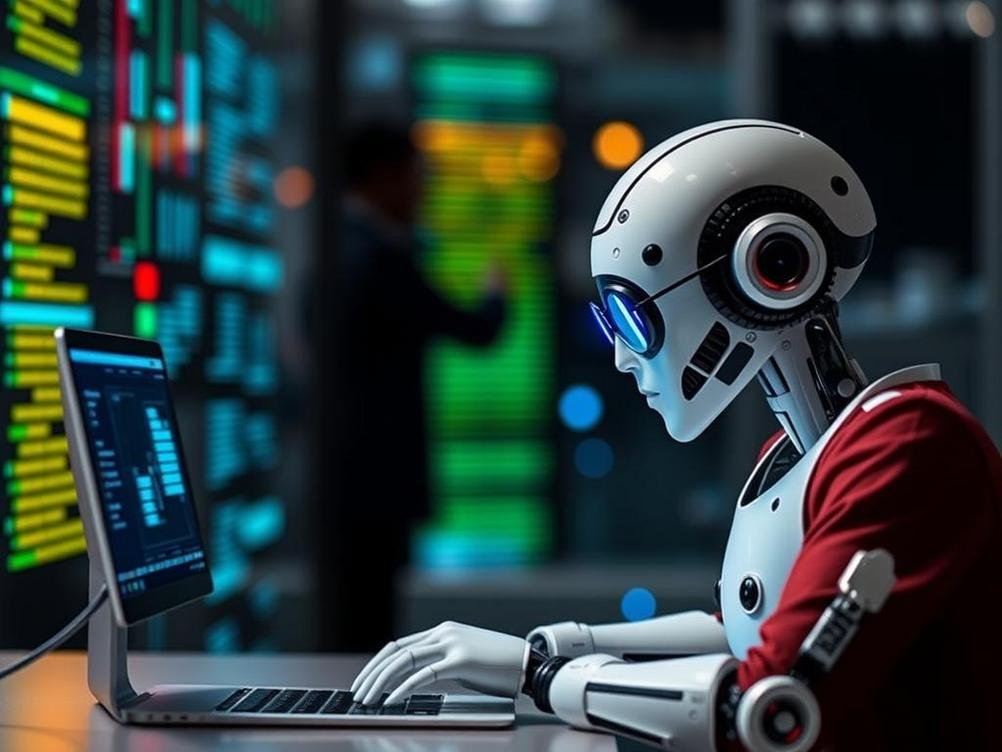
You ever wake up in the middle of the night, sweating over whether some sneaky software is rifling through your emails? Yeah, me too, especially after reading about how hackers from China are twisting AI tools into these automated attack beasts. It’s like taking a friendly robot assistant and turning it into a digital pickpocket that never sleeps. Picture this: AI, the same tech that helps your phone predict your next text or suggests movies you’ll love on Netflix, is now being weaponized to launch lightning-fast cyberattacks. We’re talking about automated phishing scams that evolve on the fly, malware that adapts to your defenses, and even bots that can crack passwords faster than you can say “uh-oh.” This isn’t some sci-fi flick; it’s real, and it’s happening now in 2025. According to reports from cybersecurity firms like CrowdStrike, state-sponsored groups are leveraging AI to make their operations more efficient and harder to detect. So, why should you care? Well, if you’re online – and let’s face it, who isn’t? – your data could be the next target. This whole mess raises big questions about the double-edged sword of AI: It’s amazing for innovation, but in the wrong hands, it’s like giving a kid a flamethrower for fireworks. In this article, we’ll dive into how these hackers are pulling off this high-tech heist, what it means for everyday folks like us, and some down-to-earth ways to fight back. Stick around, because by the end, you’ll feel a bit more empowered in this wild digital jungle.
What’s the Deal with AI in Hacking Anyway?
Okay, let’s break this down – AI isn’t just for smart assistants or beating us at chess anymore. Hackers are getting creative, using machine learning algorithms to automate attacks that used to take hours of manual grunt work. Imagine if your spam filter could learn from every email you mark as junk and get smarter over time; well, hackers are doing the same but for breaking into systems. It’s like they’ve got a tireless AI sidekick that never calls in sick. Reports suggest that groups linked to China, such as those possibly tied to APT41, are employing AI to scan for vulnerabilities at warp speed, probing thousands of networks in minutes.
Here’s the thing that makes this scary: AI can analyze huge datasets to find patterns and weaknesses that humans might miss. For instance, it could generate personalized phishing emails that sound just like they’re from your boss, complete with your inside jokes – creepy, right? And don’t even get me started on how AI-powered bots can evade detection by morphing their code on the fly. Think of it as a chameleon hacker that changes its spots every time you try to catch it. To put numbers to this, a McAfee report from earlier this year highlighted that AI-driven attacks have surged by over 300% in the past two years, turning what was once a cat-and-mouse game into a full-blown tech arms race.
But hey, it’s not all doom and gloom. On the flip side, understanding this gives us a chance to get ahead. If AI can be used for good, like in cybersecurity defenses, we might just turn the tables. I mean, wouldn’t it be ironic if the same tech that’s causing the problem ends up saving the day? Let’s not forget, AI tools were originally designed to make life easier, not harder – it’s just that some folks decided to play the villain.
How Are These Hackers Actually Using AI Tools?
So, you’re probably wondering, how do they do it? Well, it’s not as complicated as it sounds, but it’s clever. Hackers are repurposing open-source AI libraries – think stuff like TensorFlow or PyTorch – to build automated systems that can launch attacks without much human intervention. For example, they might train an AI model on stolen data to predict and exploit security flaws in real-time. It’s like teaching a parrot to swear; once it learns, it just keeps going on its own.
- First off, AI helps with reconnaissance – scanning the web for weak points in networks faster than you could blink.
- Then, there’s the automation of social engineering, where AI crafts convincing messages tailored to your profile, making you more likely to click that dodgy link.
- And let’s not overlook evasion tactics; AI can generate malware that mutates to avoid antivirus software, kind of like a virus that evolves in a horror movie.
What really gets me is how accessible this is. With tools available on platforms like GitHub, even less experienced hackers can jump in. It’s a bit like giving kids access to a chemistry set without supervision – exciting, but potentially explosive. A study from Microsoft showed that AI-enhanced attacks can reduce the time to breach a system from days to hours, which is why governments are scrambling to respond.
Real-World Examples: When AI Attacks Got Messy
Alright, let’s get into the nitty-gritty with some actual stories. Remember that big data breach last year involving a major U.S. tech firm? Rumors swirled that Chinese hackers used AI to automate the infiltration, sifting through terabytes of data to pinpoint sensitive info. It was like watching a master thief use X-ray vision to scope out a bank vault. This isn’t isolated; there have been reports of AI being used in ransomware attacks that lock down entire hospital systems, demanding crypto payments before patients can get their files back.
Take the example of how AI-powered deepfakes have been used in scams – forging video calls to trick executives into wiring money. One infamous case involved a company losing millions because an AI-generated voice sounded just like their CEO. It’s hilarious in a dark way, like if your phone’s autocorrect started writing ransom notes. Statistics from the FBI indicate that AI-related cybercrimes have jumped 500% since 2023, hitting everything from small businesses to national infrastructures.
- In one scenario, hackers used AI to overwhelm security systems with fake traffic, making it easier to slip in unnoticed.
- Another involved AI analyzing public social media data to craft targeted phishing attacks, proving that your vacation photos could be a hacker’s goldmine.
- And don’t forget state-sponsored stuff; experts believe groups like those from China are using AI for espionage, quietly gathering intel on rivals.
The Risks for Regular Folks: Is Your Data Safe?
Here’s where it hits home – for the average person, this means your personal info is more vulnerable than ever. Think about it: If hackers can use AI to guess passwords or predict your online behavior, your shopping habits or even your kid’s school details could be up for grabs. It’s like leaving your front door unlocked in a shady neighborhood. We’re seeing a rise in identity theft cases where AI stitches together data from leaks to create fake IDs that pass muster.
The bigger picture? This could lead to widespread economic fallout. A report from the World Economic Forum predicts that by 2030, cyber attacks enhanced by AI could cost the global economy trillions. But on a personal level, it’s about peace of mind. Who wants to worry that their smart home device is secretly spying for hackers? Rhetorical question, I know, but it’s a valid fear. The humor in all this? AI was supposed to make our lives easier, not turn us into paranoid tech hermits.
To keep it real, not everyone’s at equal risk. Small businesses and individuals are often the low-hanging fruit, but with the right precautions, you can toughen up your defenses.
Protecting Yourself: Simple Tricks to Stay One Step Ahead
Don’t panic – there are ways to fight back without becoming a full-time cybersecurity nerd. Start with basics like using strong, unique passwords and enabling two-factor authentication everywhere. It’s like putting a deadbolt on your door; sure, it’s a hassle, but it works. Tools like password managers (I’m a fan of LastPass) can generate and store complex passwords for you, making life easier.
- Keep your software updated – those patches often fix vulnerabilities before hackers exploit them.
- Use AI for good; antivirus programs with AI detection, like those from Norton, can spot threats faster than traditional ones.
- Educate yourself on phishing – learn to spot suspicious emails and avoid clicking unknown links; think of it as developing a sixth sense for BS.
And hey, if you’re feeling adventurous, dive into community forums or online courses to learn more. It’s empowering, like turning the tables on a bully. Remember, the goal isn’t to outsmart every hacker but to make yourself a harder target.
The Future of AI in Cybersecurity: Hope on the Horizon?
Looking ahead, it’s not all bad news. As AI gets more advanced, so do our defenses. Companies are developing AI systems that can predict and neutralize attacks before they happen, almost like having a personal bodyguard for your data. By 2026, experts predict we’ll see a boom in AI-driven security tools that learn from global threats in real-time. It’s a cat-and-mouse game, but maybe the cats are finally catching up.
Of course, there’s the ethical side – governments and tech giants are pushing for regulations to curb misuse. The EU’s AI Act, for instance, aims to put safeguards in place, but will it be enough? Only time will tell, but I’m optimistic. After all, humanity’s pretty good at innovating our way out of messes, even if we create them ourselves.
Conclusion: Staying Smart in an AI-Driven World
Wrapping this up, we’ve seen how Chinese hackers are flipping AI into a powerful weapon for automated attacks, but that doesn’t mean we’re doomed. From understanding the risks to taking practical steps, you’ve got the tools to protect yourself and maybe even contribute to a safer digital space. It’s a reminder that with great tech comes great responsibility – cliché, I know, but true. So, next time you’re online, think twice, stay vigilant, and who knows? You might just become the hero of your own cybersecurity story. Let’s keep pushing for ethical AI use and turn this threat into an opportunity for growth. After all, in 2025, the future’s wide open – let’s make it a good one.