Why AI Toys Could Turn Your Kid’s Playtime into a Privacy Nightmare
Why AI Toys Could Turn Your Kid’s Playtime into a Privacy Nightmare
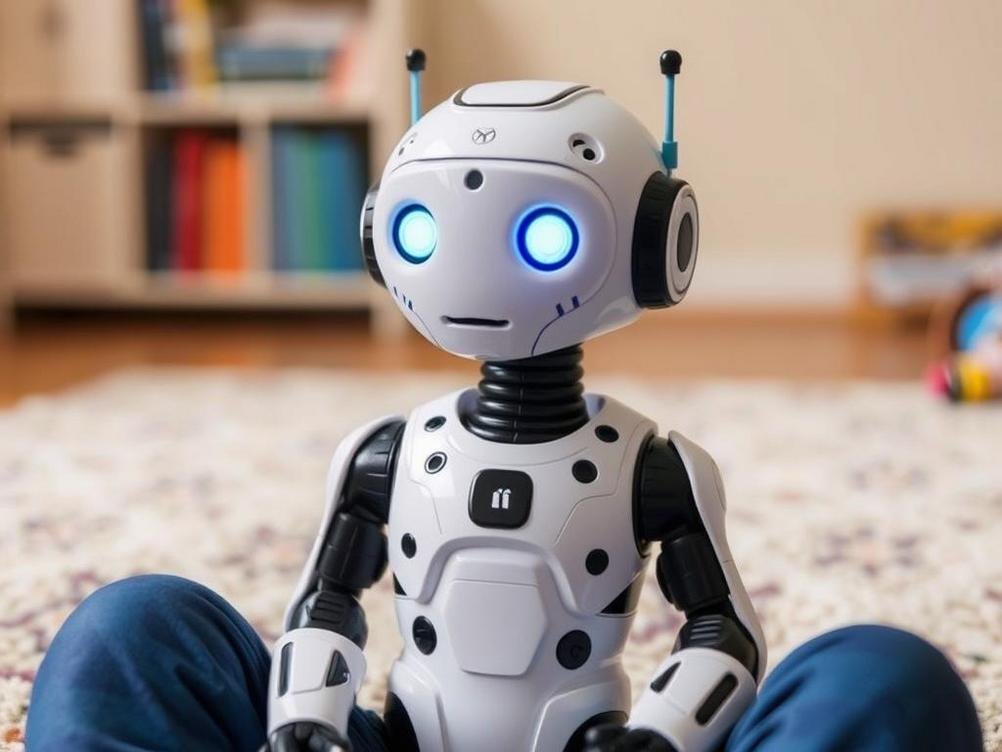
Imagine this: You’re watching your little one chat away with their shiny new AI-powered robot pal, the one that responds with goofy jokes and personalized stories. It’s all fun and games until you start hearing whispers about these toys eavesdropping on family conversations or handing over data to who-knows-where. That’s exactly what the ‘Trouble in Toyland’ report is shouting from the rooftops, warning us about the not-so-magical side of AI in toys. As a parent or tech enthusiast, it’s hard not to wonder: Are we trading our kids’ privacy for a bit of automated fun? This report, released around the holiday season, dives into how AI toys might be more trouble than they’re worth, highlighting risks from data breaches to developmental concerns. It’s a wake-up call in a world where everything from teddy bears to action figures is getting smarter, but not necessarily safer. We’re talking about real issues here, like toys that could be hacked or ones that track every word your child says, all under the guise of ‘making playtime interactive.’ By the end of this article, you’ll get why it’s smart to think twice before adding that next gadget to the toy box, and maybe even how to spot the good ones from the risky ones. Let’s unpack this mess together, because who knew playtime could get so complicated?
What Exactly is the ‘Trouble in Toyland’ Report?
First off, the ‘Trouble in Toyland’ report isn’t some new sci-fi movie plot—it’s an annual rundown from organizations like the U.S. Public Interest Research Group (US PIRG) that flags dangerous or problematic toys hitting the market. This year’s edition zeros in on AI toys, painting a picture of how these high-tech playthings might be crossing lines we didn’t even know existed. Think about it: Back in the day, a toy was just a toy, maybe a bit of plastic or wood, but now we’re dealing with devices that listen, learn, and sometimes spill your family’s secrets. The report basically sounds the alarm on how AI integration can lead to privacy invasions, shoddy security, and even physical hazards if things go wrong.
From what I’ve read, the report highlights specific examples, like smart dolls that record conversations or robot pets that connect to the internet without proper safeguards. It’s not just scaremongering; there are real cases where kids’ data has been exposed. For instance, remember that buzz a few years back about a popular AI toy that was sending audio clips to third-party servers? Yeah, that’s the kind of stuff we’re talking about. It makes you pause and think, ‘Is this robot buddy worth the risk?’ The report’s goal is to push for better regulations, urging manufacturers to step up their game on data protection. And honestly, who can blame them? In a world where kids are growing up with screens everywhere, we need to ensure playtime doesn’t become a data minefield.
To break it down simply, here’s a quick list of what the report typically covers when it comes to AI toys:
- Privacy breaches: Toys that collect voice data without clear consent.
- Security flaws: Easy-to-hack devices that could be manipulated by bad actors.
- Health and safety issues: Overstimulation from constant interaction or even choking hazards from poorly designed parts.
- Marketing tricks: How companies push AI features without fully explaining the downsides.
The Privacy and Security Nightmares Lurking in AI Toys
Okay, let’s get real—privacy isn’t exactly a kid’s first concern when they’re begging for the latest AI toy, but it should be ours. These gadgets often come packed with microphones and cameras, which sounds cool for interactive games, but what if they’re also shipping your home chats straight to a server? The ‘Trouble in Toyland’ report points out how many AI toys lack strong encryption or user controls, making them prime targets for hackers. It’s like inviting a stranger into your living room without checking their ID first. I mean, picture this: Your kid’s toy starts repeating things it ‘learned’ from family dinners, and suddenly you’re dealing with data leaks that could expose personal info.
Take a metaphor from everyday life—it’s like leaving your front door unlocked just because the doorbell camera is ‘smart.’ Sure, it might alert you to visitors, but what’s stopping someone from waltzing in? Real-world examples abound, like the 2023 incident where a major toy company’s AI dolls were found to be vulnerable to breaches, exposing thousands of users’ data. According to cybersecurity experts, about 70% of internet-connected toys have some form of vulnerability. That’s a stat that hits hard, especially when we’re talking about our kids. So, as parents, we need to ask ourselves: Are we okay with toys that could potentially be turned into spying devices?
If you’re shopping for toys, here’s a simple checklist to avoid the pitfalls:
- Check for privacy policies: Make sure the company is upfront about data collection and how it’s used.
- Look for certifications: Things like kidSAFE or GDPR compliance can be good indicators of security.
- Read reviews: Hunt for feedback on forums or sites like Consumer Reports to see if others have flagged issues.
How AI Toys Might Mess with Kids’ Development
It’s not all about tech glitches; the ‘Trouble in Toyland’ report also touches on how AI toys could throw a wrench in children’s growth. You know, kids learn best through hands-on play, but when a toy does all the thinking for them, it might stifle creativity. Imagine a robot that solves puzzles for your child instead of letting them figure it out—it’s like giving them a calculator for math homework every time. Over time, this could lead to overreliance on tech, potentially affecting social skills or even emotional development, as kids miss out on the nuances of human interaction.
Research from places like the American Psychological Association suggests that excessive screen time, which AI toys often encourage, can link to shorter attention spans in kids. For example, a study found that children using interactive AI devices spent less time on imaginative play compared to those with traditional toys. It’s a bit ironic, isn’t it? We’re trying to make education fun with AI, but we might be creating a generation that’s more plugged in than tuned in. The report urges parents to balance tech with old-school play, like building blocks or outdoor games, to keep things well-rounded.
- Pros of AI toys: They can teach languages or math in an engaging way.
- Cons: Potential for addiction and reduced physical activity.
- Parent tip: Set limits, like no AI toys after dinner, to encourage real-world interactions.
Spotting the Red Flags: What Makes an AI Toy Risky?
When you’re knee-deep in toy aisles during the holidays, how do you tell if an AI toy is a hidden hazard? The report lays out some clear red flags, like vague descriptions of ‘cloud connectivity’ without explaining the risks. If a toy promises to ‘learn about your child’ but doesn’t specify what that means, it’s a warning sign. Humor me here—it’s like dating someone who won’t tell you their last name; you might have fun at first, but things could get sketchy fast.
In real terms, look at toys from brands like Fisher-Price or Mattel that have faced recalls for AI-related issues; these stories pop up on sites like CPSC.gov. The report estimates that faulty AI toys contribute to thousands of complaints annually. To keep it light, think of it as shopping for a car—you wouldn’t buy one without checking the safety ratings, so why do it for toys? Keep an eye out for features like parental controls or automatic data deletion to make smarter choices.
Here’s a fun way to evaluate: Pretend you’re interviewing the toy. Questions like, ‘Does it share data with third parties?’ or ‘Can I turn off the mic?’ might sound silly, but they could save you headaches down the road.
Tips for Picking Safer AI Toys (Without Losing the Fun)
Alright, so we’re not saying ditch AI toys altogether—some are genuinely awesome for learning and entertainment. The key is to pick wisely, as the report suggests. Start by opting for toys from reputable brands that prioritize security, like those with built-in parental dashboards. It’s like choosing a smartphone with good antivirus; you want that extra layer of protection. For instance, if you’re eyeing something like an Anki Cozmo robot, check if it has recent updates addressing past vulnerabilities—many companies do release patches, but you have to stay on top of it.
One clever trick is to involve your kids in the decision-making. Ask them what they love about the toy beyond the tech, like the stories or games, and use that to guide your choice. From my own experience, swapping out a risky AI toy for a simple one sparked more creativity in my niece’s playtime. Plus, organizations like Common Sense Media offer reviews that rate toys on privacy and educational value, which is a goldmine for parents. Remember, the goal is balance—mix in AI with good old board games to keep things diverse.
- Budget-friendly options: Look for open-source toys or apps that let you control the data.
- Family rules: Establish ‘tech-free’ zones in the house to encourage unplugged play.
- Stay informed: Follow updates from sources like the FTC for the latest on toy safety.
The Road Ahead: What’s Next for AI in Toys?
Looking forward, the ‘Trouble in Toyland’ report hints at a brighter future if we push for changes. Tech companies are starting to listen, with new regulations like the EU’s AI Act aiming to clamp down on risky products. It’s exciting to think about AI toys that are safe and beneficial, like ones that teach coding without compromising privacy. But we’ve got to hold manufacturers accountable, or we might end up with more reports like this one. Will AI toys evolve into something truly magical, or will they keep tripping over their own wires? Only time will tell.
In the meantime, keep an eye on innovations, such as toys that use edge computing to process data locally instead of sending it to the cloud. That’s a game-changer, reducing risks while keeping the fun intact. As someone who’s geeked out on tech for years, I see potential here, but it’s all about getting the balance right.
Conclusion
Wrapping this up, the ‘Trouble in Toyland’ report serves as a stark reminder that AI toys aren’t all sunshine and rainbows—they come with real risks that could affect our kids’ privacy and development. But hey, with a bit of awareness and smart choices, we can enjoy the perks without the pitfalls. Whether it’s double-checking those privacy settings or opting for simpler toys now and then, let’s make playtime a safe space again. So, next time you’re toy shopping, take a moment to think it through—your family’s peace of mind is worth it. Who knows, maybe this will spark a movement toward better, safer tech for the next generation.