
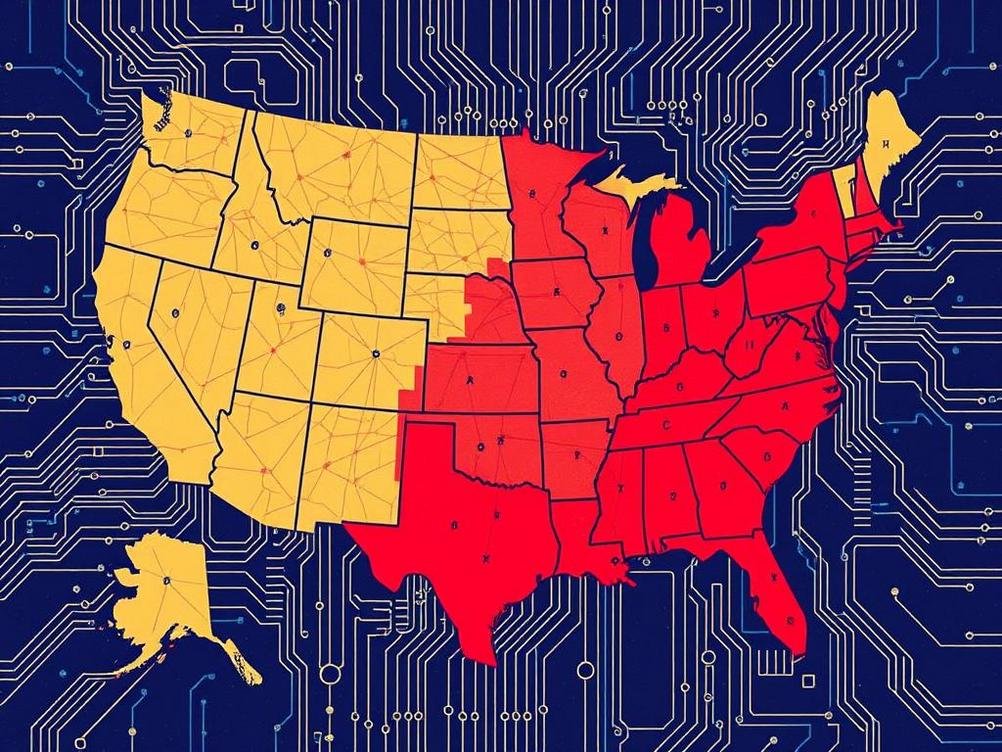
Why States Are Teaming Up to Block a Federal AI Law Ban – The New Mexico Story
Why States Are Teaming Up to Block a Federal AI Law Ban – The New Mexico Story
Have you ever felt like the bigwigs in Washington are trying to call all the shots, even when it comes to stuff that hits closer to home? Well, that’s exactly what’s brewing in the world of AI right now. Picture this: a bunch of states, led by New Mexico’s Attorney General, are banding together to push back against a proposed federal ban on state-level AI laws. It’s like a modern-day David vs. Goliath story, where the little guys are saying, “Hey, we’ve got our own ideas on how to handle this wild tech!” This whole saga started when federal officials floated the idea of overriding state regulations, arguing it would create a uniform approach to AI governance. But is that really the best way forward? Think about it – AI is already reshaping everything from your social media feeds to healthcare decisions, and states want a say in how it’s managed locally.
In this article, we’ll dive into why this coalition matters, who’s involved, and what it could mean for the future of AI. As someone who’s been following tech trends for years, I’ve seen how regulations can either stifle innovation or protect us from potential messes. With 30 states jumping on board, it’s clear this isn’t just a regional tiff; it’s a nationwide debate about power, privacy, and progress. By the end, you’ll get a clearer picture of the stakes and maybe even feel inspired to keep an eye on how AI laws evolve. After all, in a world where AI can predict your next purchase or even influence elections, shouldn’t we all have a voice in the rules?
What’s All the Fuss About AI Laws Anyway?
You know, AI isn’t just some sci-fi flick anymore – it’s everywhere, from your smartphone’s voice assistant to those creepy targeted ads that seem to read your mind. But with great power comes great responsibility, right? States have been stepping up to create their own rules because, let’s face it, one size doesn’t fit all. New Mexico, for instance, has been pushing for laws that address specific local issues, like protecting indigenous data or ensuring AI doesn’t mess with rural communities. The proposed federal ban? It’s basically saying, “Nah, we’ll handle this from D.C.,” which rubs a lot of folks the wrong way.
Imagine trying to regulate something as unpredictable as AI with a blanket policy – it’s like using a sledgehammer to crack a nut. States argue that they know their populations better and can tailor regulations to fit. For example, California has already passed strict privacy laws for AI, while others might focus on job displacement in manufacturing hubs. According to a report from the Electronic Frontier Foundation (which you can check out at eff.org), decentralized AI governance could lead to more innovative solutions rather than a one-off federal mandate. So, why fight over this? Because at the end of the day, it’s about who gets to decide how AI impacts your daily life.
To break it down, here’s a quick list of why state-level AI laws are gaining traction:
- Different regions have unique needs – urban areas might worry about surveillance, while rural spots focus on agriculture tech.
- States can experiment faster; it’s like a lab for policies that could go national if they work.
- There’s a risk of overreach – a federal ban could stifle emerging tech startups that thrive on localized rules.
Who’s at the Helm? New Mexico’s AG Stepping Up
Okay, let’s talk about the main player here: New Mexico’s Attorney General. This isn’t some random pick – they’ve been vocal about tech issues, especially since the state has a mix of tech hubs and cultural heritage that makes AI regulations a big deal. Leading a 30-state coalition shows real guts, doesn’t it? It’s like being the captain of a ship in stormy waters, rallying everyone when the feds try to take the wheel. Their argument? That states should retain the right to protect their citizens without Washington butting in every time.
I mean, think about it – New Mexico isn’t exactly the first place you’d expect to lead a tech revolt, but that’s what makes it interesting. With its ties to national labs and space tech, the state has a front-row seat to AI’s potential pitfalls. Reports from sources like the National Conference of State Legislatures (visit ncsl.org for more) highlight how AGs across the country are increasingly tackling AI, from bias in algorithms to data privacy. This coalition is a smart move, pooling resources and legal muscle to make a stronger case.
If you’re curious, here are a few reasons why New Mexico was a natural choice to lead:
- They’ve got a history of progressive policies on tech and environment, blending innovation with protection.
- As a smaller state, they represent the underdog narrative, which resonates with others feeling overshadowed by federal power.
- It’s a strategic play – by leading, they put a spotlight on regional issues that might otherwise get ignored.
The 30-State Coalition: A United Front Against Overreach
Pull up a chair, because this coalition is like a big family reunion – diverse, a bit chaotic, but united for a common cause. With 30 states on board, that’s more than half the country saying, “Hold up, we’re not ready to hand over the reins.” It’s not just about AI; it’s about federalism and whether the government should dictate every little rule. States like California, New York, and even Texas are in the mix, each bringing their own flavor to the table.
What’s fascinating is how this group formed so quickly – it’s almost like a flash mob of attorneys general. They’re arguing that a federal ban could create a regulatory vacuum, leaving gaps in areas like consumer protection or ethical AI use. A study by the Brookings Institution (check it out at brookings.edu) points out that without state input, we might end up with laws that don’t account for real-world variations, such as how AI affects farming in the Midwest versus finance in New York. Humor me for a second: it’s like trying to write one recipe that works for both a spicy New Mexican dish and a hearty New England chowder – good luck with that!
Here’s a snapshot of what the coalition is pushing for:
- Preserving state autonomy to address local AI challenges, like job losses or cultural sensitivities.
- Encouraging collaboration instead of competition between federal and state levels.
- Pushing for comprehensive reviews before any bans, to ensure they’re based on solid evidence.
Why a Federal Ban Might Backfire Big Time
Let’s get real – a federal ban on state AI laws sounds efficient on paper, but in practice? It could be a disaster. It’s like trying to put a band-aid on a broken leg; it might cover the issue, but it won’t fix anything. States fear that centralized control could lead to overly broad regulations that ignore nuanced problems, such as algorithmic bias in hiring or AI in healthcare diagnostics.
For instance, if the feds step in, we might see slower innovation because companies have to navigate a single, rigid framework. Take Europe’s GDPR as a comparison – it’s a federal-style privacy law that’s influenced global standards, but states here want something more tailored. Data from the AI Now Institute (available at ainowinstitute.org) shows that diverse regulations can actually spur competition and better protections. So, why risk it? Because, as they say, too many cooks might spoil the broth, but in this case, maybe we need a few more in the kitchen.
To illustrate, consider these potential downsides:
- It could delay responses to emerging threats, like deepfakes in elections.
- Smaller states might lose out on customizing laws for their economies.
- There’s a chance of legal battles that tie up resources for years.
The Ripple Effects: How This Could Shape AI’s Future
Zoom out a bit, and you’ll see this isn’t just a legal scuffle – it’s about the bigger picture of AI’s role in society. If the coalition wins, it could pave the way for a more balanced approach, where states experiment and share what works. On the flip side, a federal win might standardize things but at the cost of flexibility. It’s like debating whether to have a single global language or let dialects thrive; both have merits, but diversity often leads to richer outcomes.
Real-world examples abound: In education, AI tools are being used to personalize learning, and states like Massachusetts have specific rules to ensure equity. Statistics from a Pew Research Center report (find it at pewresearch.org) indicate that 70% of Americans want more control over AI decisions affecting them. This coalition is essentially amplifying that desire, making sure voices from all corners get heard before things get locked down.
Key areas impacted include:
- Privacy and data security, where states could enforce stricter measures.
- Innovation hubs, encouraging startups to thrive under varied regulations.
- Public trust, as people feel more involved in the process.
Staying in the Loop: What You Can Do About It
Alright, enough talk – how does this affect you? Well, if you’re into tech, privacy, or just keeping an eye on the world, this is your cue to get involved. Follow updates from your state’s AG office or organizations like the ACLU (head over to aclu.org for resources). It’s easy to feel overwhelmed, but remember, your voice counts – whether through petitions, social media, or even chatting with your reps.
Think of it this way: AI is evolving faster than we can regulate it, so staying informed is like having a front-row seat to the future. Share articles, join discussions, or even write to your lawmakers. Who knows? Your input could help shape the next big policy change. And hey, in a world of algorithms, let’s make sure we’re the ones pulling the strings, not the other way around.
Conclusion
As we wrap this up, it’s clear that the New Mexico-led coalition isn’t just fighting for states’ rights; it’s championing a smarter, more inclusive way to handle AI’s growth. From the potential pitfalls of a federal ban to the benefits of localized laws, this debate highlights the need for balance in our tech-driven world. It’s a reminder that innovation thrives when diverse perspectives are at the table, and who knows what the outcome will be? But one thing’s for sure – keeping an eye on these developments could make all the difference in how AI shapes our lives. So, stay curious, stay engaged, and let’s push for regulations that benefit everyone. After all, in the grand scheme of things, we’re all in this AI adventure together.
