dailytech.ai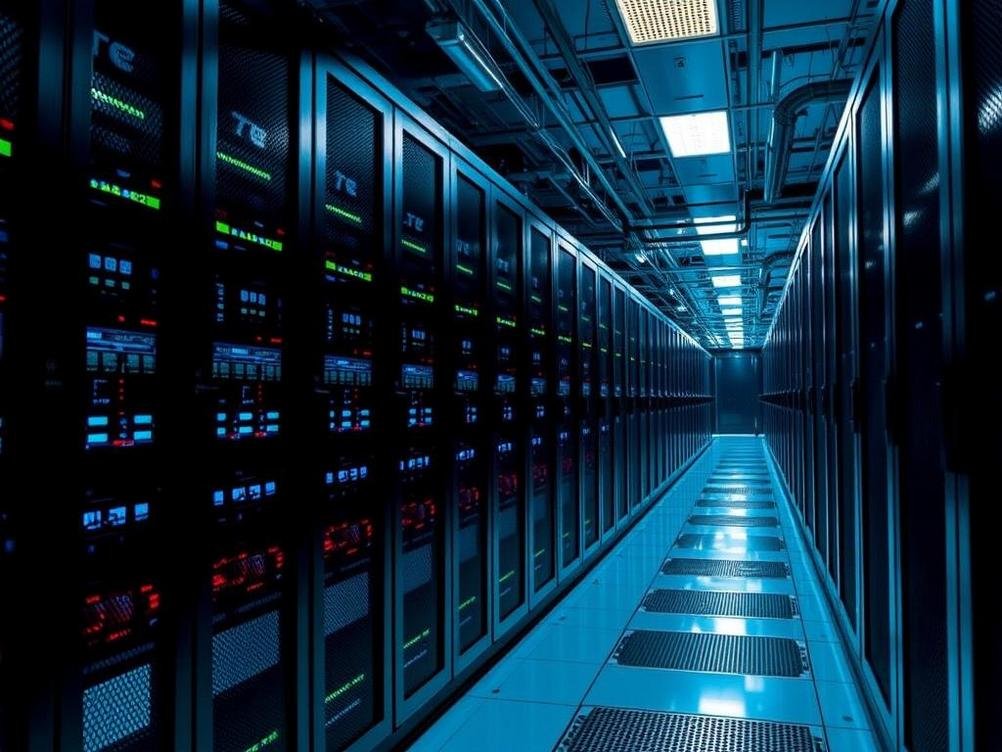
Why a Massive AI Data Center Deal is on the Brink – DTE’s Wake-Up Call
Ever wondered what happens when big tech dreams collide with real-world red tape? Picture this: We’re in 2025, and AI is basically running the show, from helping doctors spot diseases early to powering those super-smart chatbots that feel almost human. But here’s the twist – a massive deal for building a state-of-the-art AI data center is teetering on the edge, all because it’s not getting the green light fast enough. DTE, the energy giant that’s knee-deep in this, is basically yelling from the rooftops that if we don’t hustle, this whole thing could crash and burn. It’s like watching a blockbuster movie where the hero is about to miss the deadline and let the villain win. As someone who’s followed AI’s wild ride, I can’t help but think about how these deals aren’t just about wires and servers; they’re about shaping our future. We’re talking potential job boosts, energy innovations, and even how AI could make everyday life smoother. But delays? They could mean missed opportunities, skyrocketing costs, and yeah, maybe even slowing down the AI boom that’s supposed to make 2025 epic. Stick around as we dive into this mess – I’ll break it down with some laughs, real talk, and why you should care if you’re into tech, business, or just geeky stuff like me.
What Exactly is This AI Data Center Deal All About?
You know, when I first heard about this deal, I thought, ‘Okay, another tech project – what’s the big fuss?’ But dig a little deeper, and it’s clear this isn’t your average server farm. We’re talking a massive AI data center that DTE is pushing for, potentially worth billions, aimed at handling the insane amounts of data AI needs to chug along. DTE, which is short for DTE Energy, is the key player here, partnering with tech giants to build infrastructure that can support AI’s hunger for power and speed. It’s like building a stadium for the Super Bowl – if it doesn’t go through, everyone’s left out in the cold.
From what I’ve pieced together, the deal involves fast-tracking permits, energy supplies, and land approvals to get this center up and running by next year. Why the rush? Well, AI isn’t waiting around; it’s exploding, with companies racing to train models on massive datasets. Imagine if your favorite AI tool suddenly got slower because there’s not enough backbone to support it – that’s the risk we’re facing. And let’s not forget, DTE’s warning isn’t just hot air; it’s based on real negotiations that could fall apart if bureaucrats keep dragging their feet. It’s a classic case of innovation versus paperwork, and honestly, paperwork is winning right now.
To break it down simply, here’s a quick list of what makes this deal tick:
- Huge Scale: This isn’t a backyard setup – we’re looking at facilities that could power AI for entire regions, handling petabytes of data daily.
- Key Partnerships: DTE is teaming up with big names in tech, like those from Silicon Valley, to ensure reliable energy sources.
- Economic Perks: Jobs, investments, and even local boosts in tech hubs could be on the line if this gets approved.
Why AI Data Centers Are a Big Deal in 2025 Anyway?
Alright, let’s get real – if you’re not glued to tech news, you might be wondering why anyone cares about a data center. Well, in 2025, AI data centers are like the unsung heroes of the digital world. They’re the powerhouses that keep everything from self-driving cars to personalized streaming recommendations running smoothly. Think about it: Every time you ask your smart assistant for a recipe or use AI to edit photos, it’s relying on these massive setups. DTE’s deal highlights just how crucial they are, especially as AI demands more juice than ever before. It’s kind of like how your phone needs a good charger – without it, everything grinds to a halt.
For instance, take a look at how companies like Google or Microsoft have already invested in their own data centers; they’ve seen the payoff in faster processing and better AI accuracy. According to recent stats, global data center spending is projected to hit over $200 billion this year alone, with AI eating up a big chunk of that pie. But here’s the funny part: If DTE’s deal doesn’t pan out, it could create a bottleneck, leaving us with AI that’s as sluggish as a dial-up internet connection from the 90s. And who wants that? Not me, that’s for sure. It’s all about keeping the AI engine revved up for the future.
Let me throw in a metaphor – building these centers is like planting a garden for tomorrow’s harvest. You need the right soil (infrastructure), water (energy), and sunlight (fast approvals) to grow something amazing. Without it, you’re just left with weeds. So, yeah, this deal isn’t just about DTE; it’s about ensuring AI keeps evolving without hitting roadblocks.
The Risks of Letting This Deal Drag On
Okay, let’s not sugarcoat it – DTE isn’t mincing words when they say this deal is at risk. If it doesn’t get fast-tracked, we’re looking at delays that could stretch months or even years, and in the fast-paced AI world, that’s basically an eternity. Imagine planning a road trip and hitting every traffic jam imaginable; that’s what could happen here. Costs could balloon, partners might bail, and the whole project could fizzle out. DTE’s pointed out that regulatory hurdles are the main villains, and it’s easy to see why – getting approvals for energy grids and land use isn’t a walk in the park.
From a bigger picture, these risks aren’t isolated. We’ve seen similar snafus with other tech projects, like when renewable energy deals got stalled, leading to higher prices for consumers. Statistics from industry reports show that project delays in tech infrastructure can increase costs by up to 20-30%, which ultimately trickles down to us. And hey, with AI already facing scrutiny over energy consumption, a delay could amplify those concerns, making it harder to push for greener solutions. It’s like trying to diet while someone keeps tempting you with junk food – frustrating and counterproductive.
- Financial Hits: Investors could pull out, turning a promising venture into a money pit.
- Tech Setbacks: Slower AI development means delayed innovations, like advanced medical AI that could save lives.
- Global Edge: If the U.S. lags, countries like China might zoom ahead in AI infrastructure.
DTE’s Role and Why They’re Sounding the Alarm
DTE isn’t just some random company in this mix; they’re the energy providers making sure the lights stay on for these AI behemoths. So when they say the deal is at risk, it’s like the chef warning that the kitchen’s on fire – you better listen. They’ve been involved in similar projects before, and their expertise means they know exactly what’s at stake. In their statements, DTE’s emphasizing that without quick action, the deal could collapse, affecting not just them but the entire AI ecosystem. It’s got a touch of drama, but honestly, who’s got time for theatrics when the future’s on the line?
What makes this interesting is how DTE is pushing for collaboration between governments and tech firms. They’re advocating for streamlined processes, like expedited environmental reviews, which could set a precedent for future deals. Remember the time when renewable energy projects got a boost from policy changes? That’s what DTE is gunning for here. And with their track record, it’s hard to dismiss their warnings as overblown. Plus, in 2025, with energy demands soaring, DTE’s role is more critical than ever – they’re the ones ensuring AI doesn’t guzzle power like a teenager with unlimited snacks.
To put it in perspective, if I were betting on this, I’d say DTE’s alarm is a wake-up call for everyone. It’s not just about one deal; it’s about building a framework that supports AI’s growth without unnecessary headaches.
How This Could Shake Up the AI Industry
If this deal falls through, the ripples could be felt across the AI industry like a stone thrown into a pond. We’re talking about potential shortages in computing power, which might force companies to scale back their ambitions. For example, AI research labs could face higher costs for cloud services, making it tougher for startups to compete. DTE’s involvement underscores how interconnected everything is – energy, tech, and policy all play a part. It’s like a game of Jenga; pull out one block, and the whole tower wobbles.
Looking at real-world examples, think about how the recent expansion of data centers in Europe has boosted AI innovation there. If the U.S. doesn’t keep up, we might lose our edge. Reports from sources like the World Economic Forum (you can check it out at weforum.org) highlight that AI infrastructure is key to economic growth, projecting it could add trillions to global GDP by 2030. So, yeah, this deal isn’t trivial; it’s a linchpin for keeping us in the lead.
- Innovation Slowdown: Delayed centers mean slower AI advancements in fields like autonomous vehicles or personalized healthcare.
- Job Market Jolt: Thousands of tech jobs could be on hold, affecting everything from engineers to support staff.
- Environmental Angle: Ironically, modern data centers are designed to be more efficient, so delays could hinder efforts to make AI greener.
What Needs to Happen Next to Save the Day
So, what’s the game plan? If we’re going to rescue this deal, everyone from policymakers to tech leaders needs to step up. DTE is calling for faster regulatory processes, maybe even special task forces to cut through the red tape. It’s like organizing a family reunion – coordination is key, and without it, things fall apart. Governments could offer incentives, like tax breaks, to move things along, while companies pitch in with sustainable plans to address environmental concerns.
From my perspective, it’s about balancing urgency with responsibility. For instance, look at how the infrastructure bill in the U.S. helped fast-track other projects – something similar could work here. And hey, with AI’s growth, it’s not just about speed; it’s about doing it right. If you’re interested in more on policy and AI, check out resources from brookings.edu. Ultimately, proactive steps now could turn this potential disaster into a success story.
Let’s not forget the humor in all this – imagine if AI itself could fast-track the deal; it’d probably do it in seconds flat. But since that’s not an option, human effort is the way forward.
Conclusion
Wrapping this up, the massive AI data center deal that DTE is flagging as at risk is more than just a business hiccup – it’s a pivotal moment for AI’s future in 2025 and beyond. We’ve seen how delays could stall innovation, hike costs, and even shift global power dynamics, but with the right push, it could pave the way for exciting advancements. As we’ve chatted about, from the deal’s details to the broader impacts, it’s clear that fast-tracking isn’t just smart; it’s essential. So, here’s to hoping DTE’s warnings spark some action – because in the world of AI, every second counts. Keep an eye on this story; it might just be the catalyst for the next big tech wave. Who knows, maybe by next year, we’ll be toasting to a fully operational data center and all the wonders it brings.