dailytech.ai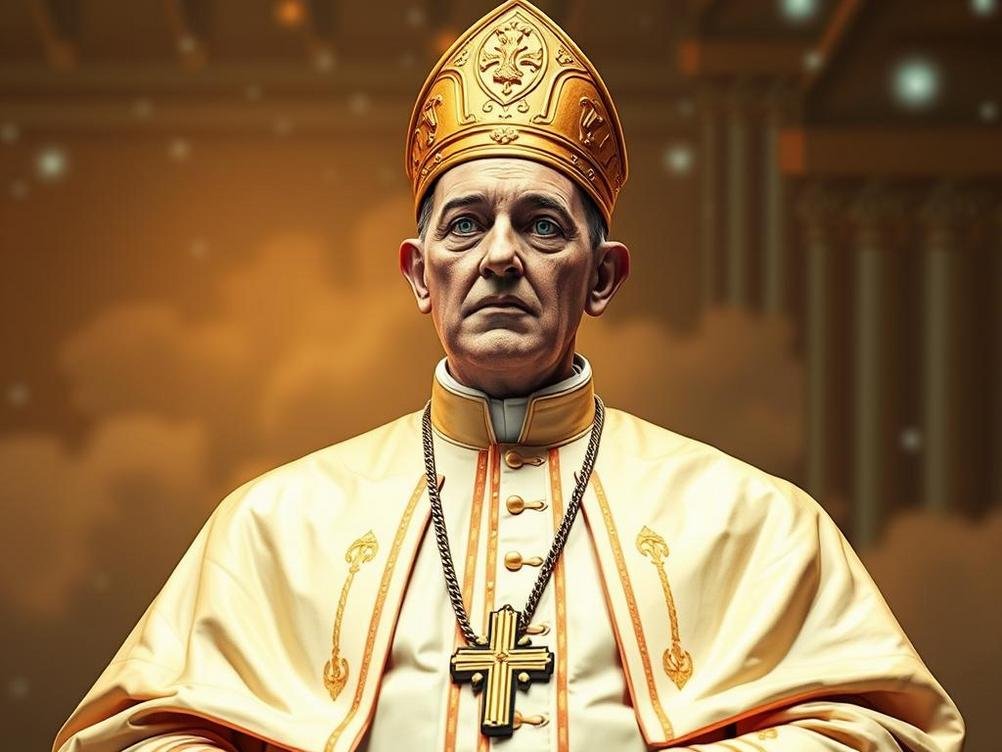
How AI is Reshaping Our Future: What Pope Leo Can Teach Us Today
Okay, let’s kick things off with a weird but fun thought experiment—what if Pope Leo XIII, that no-nonsense pope from the late 1800s, woke up in our world today and saw AI chatbots arguing with us on social media or robots flipping burgers? He’d probably do a double-take, right? I mean, this guy was all about tackling the big questions of his time, like social justice and the role of technology in society, and here we are in 2025, dealing with artificial intelligence that’s basically everywhere. It’s like we’ve got this wild mix of cutting-edge tech and ancient wisdom colliding, and it’s forcing us to rethink everything from ethics to everyday life. Think about it: AI is no longer just sci-fi fluff; it’s in our pockets, our jobs, and even influencing global decisions. But why drag Pope Leo into this? Well, his writings on morality and human dignity offer some seriously relevant insights for navigating the AI-fueled chaos we’re hurtling toward. In this article, we’ll dive into how AI is changing the game, pull in some historical vibes from Pope Leo, and maybe even chuckle at how far we’ve come—or how little. By the end, you might just see your smartphone in a whole new light, wondering if it’s more friend or frenemy. Let’s unpack this mess together, because if there’s one thing we need in 2025, it’s a bit of perspective on where AI is taking us.
What Exactly is Artificial Intelligence, and Why Should We Care?
You know, AI isn’t just that smart assistant on your phone that reminds you to buy milk—it’s way bigger than that. At its core, AI is all about machines learning from data, making decisions, and sometimes even mimicking human smarts. Picture it like teaching a kid to ride a bike; except this ‘kid’ is a computer that never gets tired and can process info faster than you can say ‘caffeine hit.’ We’re talking machine learning algorithms that predict everything from stock markets to your next Netflix binge. But why should we care? Well, in 2025, AI is influencing jobs, healthcare, and even creative fields like art and music. It’s estimated that by 2030, AI could automate over 85 million jobs worldwide, according to the World Economic Forum—that’s a stat that’ll keep you up at night if you’re in a desk job.
What’s funny is how AI has evolved from those clunky sci-fi robots in old movies to something that feels almost sneaky in our daily lives. Take generative AI tools like ChatGPT or DALL-E; they’re creating content that’s eerily human-like, which is both awesome and a little terrifying. Imagine asking an AI to write a poem about your cat—it might spit out something poetic, but does it really ‘get’ your furry friend? Not really, and that’s where the human element sneaks in. We care about AI because it’s not just a tool; it’s reshaping our future, for better or worse. If you’re curious, check out the World Economic Forum’s insights on how AI is flipping the script on employment. It’s like AI is the new kid on the block, and we’re all trying to figure out if we’re playing on the same team.
Who Was Pope Leo XIII, and How Does He Fit into This AI Madness?
Alright, let’s rewind to the 19th century—Pope Leo XIII wasn’t exactly tweeting about AI, but he was a forward-thinking guy who tackled the industrial revolution’s mess with encyclicals like Rerum Novarum. This document basically laid out ideas on workers’ rights, social justice, and the balance between tech and humanity back in 1891. It’s hilarious to think about him dealing with steam engines and factories, while we’re here wrestling with AI that can generate deepfakes or drive cars. Leo XIII emphasized that technology should serve people, not the other way around—a lesson that feels spot-on for our AI-driven world. He’d probably raise an eyebrow at how companies are rushing to implement AI without much thought for the fallout.
Fast-forward to today, and Pope Leo’s ideas are like a blueprint for AI ethics. For instance, he stressed the importance of human dignity in the face of rapid change, which mirrors current debates about AI bias and privacy. If you look at examples from history, like how the industrial era disrupted jobs much like AI is doing now, you see parallels everywhere. I mean, could you imagine Pope Leo scrolling through TikTok and seeing AI-generated videos? He’d likely say, ‘Hold up, where’s the soul in this?’ It’s a reminder that while AI is cool, we need to keep our humanity in check. And for a deeper dive, check out Rerum Novarum online—it’s a bit of a read, but it’s packed with timeless wisdom.
- First off, Leo XIII focused on fair wages and worker protections, which today translates to ensuring AI doesn’t leave people jobless without a safety net.
- Secondly, he championed moral responsibility in innovation, urging us to ask: Is this AI making the world better, or just making a few folks richer?
- Lastly, his emphasis on community over individualism could guide how we use AI to bring people together, not isolate them behind screens.
The Wild Intersection of AI and Religion: More Than Just a Holy Algorithm
Here’s where things get juicy—mixing AI with religion sounds like a plot from a sci-fi novel, but it’s happening right now. Think about how faiths like Catholicism, through figures like Pope Leo, grapple with tech’s role in society. AI raises questions about creation: If machines can create art or even mimic prayer, does that chip away at what makes us human? It’s like God handing us a paintbrush, but we’re letting robots do the painting. Pope Leo would probably nod along, reminding us that technology should enhance our spiritual lives, not replace them.
Take, for example, AI in religious studies—apps that analyze ancient texts or even generate sermons. It’s efficient, sure, but is it soulful? Not really. In 2025, we’ve got AI systems like those from IBM’s Watson being used in theological research, helping scholars sift through massive databases. But let’s not kid ourselves; there’s a humor in picturing an AI confessing sins or leading a mass. The point is, as AI weaves into our spiritual practices, we need to pause and reflect, just like Pope Leo did with the tech of his day. It’s a balancing act, folks—technology as a tool, not a god.
AI’s Role in Shaping Our Future: Promises, Pitfalls, and a Dash of Pope Leo Wisdom
Fast-forward to our future, and AI is like that overeager friend who promises to solve all your problems but might accidentally burn the house down. We’re talking self-driving cars, personalized medicine, and even AI predicting natural disasters—stuff that could make life a breeze. But draw from Pope Leo’s playbook, and you’ll see the need for safeguards. His emphasis on social harmony could push us toward using AI for the greater good, like equitable healthcare access, rather than just corporate gains. By 2030, experts predict AI will contribute over $15.7 trillion to the global economy, per PwC reports—that’s huge, but what if it widens the gap between haves and have-nots?
Here’s a real-world metaphor: AI is like a superpower in a comic book—amazing when used right, but disastrous if it falls into the wrong hands. Imagine Pope Leo advising on AI regulations; he’d probably say, ‘Make sure it uplifts the poor and protects the vulnerable.’ For instance, in education, AI tools like adaptive learning platforms are personalizing lessons, but they could also reinforce inequalities if not designed thoughtfully. If you want to geek out on this, PwC’s AI insights break it down nicely. The future’s bright, but let’s not forget the lessons from the past.
- AI could revolutionize healthcare with predictive diagnostics, saving lives, but only if we address biases in the data.
- In environmental efforts, AI is optimizing renewable energy, like solar panel efficiency, aligning with Pope Leo’s call for stewardship.
- Yet, the flip side is job displacement, where we need policies inspired by historical social reforms to soften the blow.
Ethical Dilemmas in AI: When Tech Gets a Conscience (Or Tries To)
Let’s get real—AI ethics is like trying to teach a toddler manners; it’s messy and full of trial and error. From data privacy scandals to algorithmic bias, we’re facing dilemmas that Pope Leo might have foreseen in his warnings about unchecked progress. For example, facial recognition tech has been accused of racial bias, leading to wrongful arrests—that’s a wake-up call for ensuring AI aligns with human values. It’s ironic, isn’t it? We create these smart machines, but they inherit our flaws if we’re not careful.
Drawing from Pope Leo, ethics in AI means prioritizing the common good over profit. Think about global initiatives like the EU’s AI Act, which sets rules for transparency and accountability. It’s like Leo’s encyclicals, promoting fairness in a tech-saturated world. And for a laugh, imagine an AI ethicist bot debating philosophers—it’d be a riot, but it highlights why we need human oversight. In short, AI’s potential is endless, but without ethics, it’s like driving a car without brakes.
A Humorous Take: AI, Pope Leo, and the Absurdity of It All
Before we wrap up, let’s lighten the mood because, come on, blending AI with a 19th-century pope is pretty absurd. Picture Pope Leo XIII logging into an AI forum to debate the ethics of robot priests—he’d be like, ‘Back in my day, we had quill pens, not quantum computers!’ The humor lies in how far we’ve come; AI might predict the stock market, but it can’t tell a good joke without sounding robotic. Yet, this silliness underscores real issues, like how AI could one day ‘evolve’ in ways we don’t expect.
In all seriousness, though, these quirks remind us to stay grounded. For instance, AI-generated art might fool some, but it lacks the passion of a human creator. It’s like comparing a microwave dinner to a home-cooked meal—convenient, but not quite the same. Pope Leo’s legacy encourages us to infuse tech with heart, turning potential absurdities into opportunities for good.
Conclusion
As we wrap this up, it’s clear that artificial intelligence isn’t just a fleeting trend—it’s a force remolding our world, and drawing from Pope Leo XIII’s wisdom gives us a roadmap for handling it with grace and foresight. We’ve explored how AI intersects with history, ethics, and everyday life, reminding us that technology should amplify our humanity, not diminish it. Whether it’s fighting job losses or ensuring fair AI use, the lessons from the past can guide us toward a brighter future. So, next time you chat with an AI or scroll through an algorithm-fed feed, pause and think: How can I make this tool work for the greater good? Let’s keep the conversation going, stay curious, and maybe even share a laugh at the ironies along the way. After all, in 2025 and beyond, our future with AI is what we make of it—let’s make it inspiring.