dailytech.ai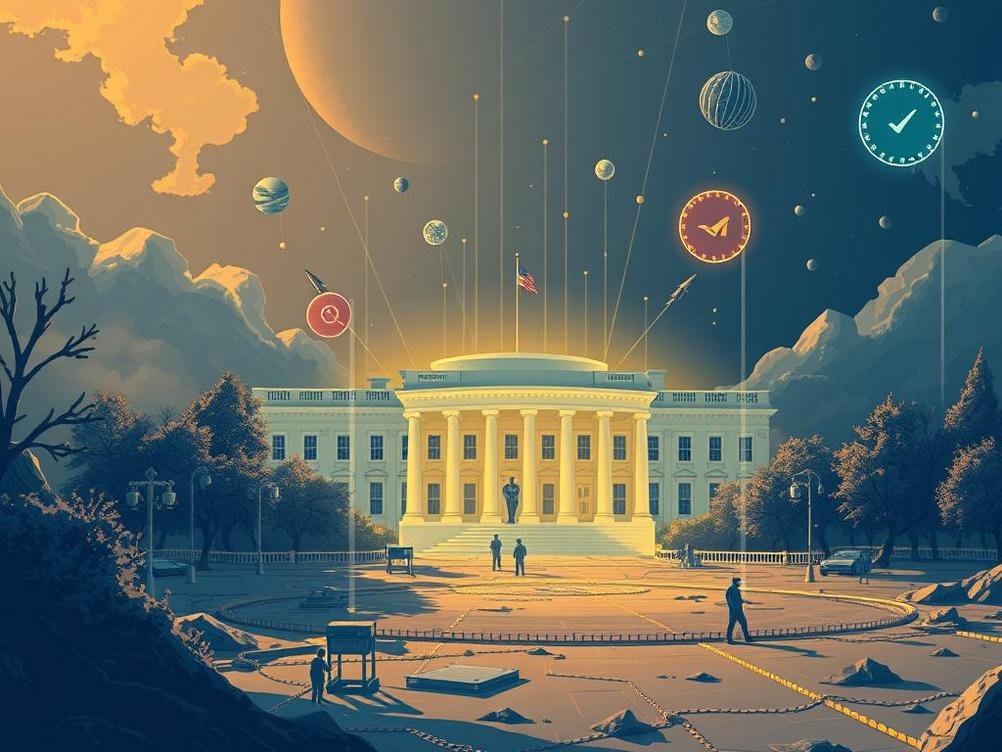
How AI is Revolutionizing America’s Nuclear Game: Unpacking Trump’s Genesis Mission
You know, it’s one of those things that makes you stop and think—we’re living in an era where artificial intelligence isn’t just helping us sort our Netflix queues or beat us at chess; it’s elbowing its way into the big leagues, like nuclear energy and national security. Picture this: back in the Trump administration, there was this bold idea called the ‘Genesis Mission,’ which aimed to supercharge America’s nuclear capabilities with cutting-edge tech. Fast forward to today, and the nuclear agency is actually running with it, weaving AI into the mix to make everything safer, smarter, and yeah, a bit more sci-fi than we’re used to. It’s like watching a blockbuster unfold in real time, but with real stakes involved. As someone who geeks out over tech and policy, I’ve been digging into how this is playing out for Americans—from everyday folks worrying about energy bills to the wonks debating global safety. Is this a game-changer that could zap us into a cleaner energy future, or is it just another overhyped plot twist? Let’s break it down, because if AI’s getting involved in nuclear stuff, we all need to pay attention. Think about it: we’re talking potential breakthroughs in efficiency, but also risks that could make your favorite dystopian movie look tame. By the end of this, you’ll get why this mission isn’t just political hot air—it’s a peek into how AI is reshaping our world, one atom at a time. And hey, with the date today being December 7, 2025, we’re right in the thick of it, seeing these ideas turn from whispers to full-blown action.
What Even is the Genesis Mission?
Okay, let’s start at the beginning because, let’s face it, not everyone’s tuned into the wonky world of nuclear policy. The Genesis Mission, dreamed up during Trump’s time, was basically a push to revitalize America’s nuclear sector—think modernizing reactors, boosting energy production, and making the whole shebang more efficient. It’s named after that whole ‘in the beginning’ vibe, like starting fresh with tech that could change the game. Now, fast-forward to 2025, and the U.S. Nuclear Regulatory Commission (NRC) is actually following through, blending in AI to handle everything from monitoring radiation levels to predicting potential meltdowns. It’s wild—imagine AI as your over-caffeinated watchdog, constantly scanning for issues before they even pop up.
But why AI? Well, traditional nuclear operations are like driving an old clunker; they get the job done but are clunky and error-prone. AI steps in as the sleek electric car, using machine learning to analyze data in real time. For instance, it can sift through mountains of sensor data faster than you can say ‘Chernobyl.’ And here’s a fun fact: according to a 2024 report from the Department of Energy energy.gov, AI could cut operational costs by up to 30% in nuclear plants by optimizing workflows. That’s not just geek talk—it means cheaper energy for us all. Of course, it’s not all smooth sailing; there are kinks, like making sure these systems are hack-proof in an era where cyber threats are as common as cat videos.
AI’s Superpowers in Nuclear Safety
If AI were a superhero, nuclear safety would be its favorite cape to wear. We’re talking about tools that can predict equipment failures before they happen, kind of like how your smartwatch knows you’re about to crash from lack of sleep. In the context of Trump’s Genesis Mission, the NRC is deploying AI algorithms to monitor reactors 24/7, spotting anomalies that human eyes might miss. It’s a bit like having a digital sidekick that never nods off. For Americans, this translates to safer communities, especially in states like Pennsylvania or South Carolina where nuclear plants are neighbors.
Let’s not gloss over the real-world wins. Take, for example, how AI helped at the Vogtle nuclear plant in Georgia—they’ve integrated predictive maintenance software that’s reduced downtime by 20%, as per industry reports. That’s huge because every hour a plant is offline, it’s costing millions and spiking energy prices. But, and here’s where it gets funny, AI isn’t perfect; it’s like that friend who’s great at advice but sometimes misses the sarcasm. There’s always the risk of false alarms or over-reliance, so experts are pushing for hybrid systems where humans and machines team up. Picture it as a buddy cop movie—AI does the heavy lifting, and we make the final calls.
- Real-time monitoring to catch issues early.
- Advanced simulations for training operators without real risks.
- Data-driven decisions that cut waste and boost efficiency.
Trump’s Vision: Was It All Hype or Real Deal?
Ah, Trump’s Genesis Mission—it’s like that ambitious New Year’s resolution you actually stick to. Back in 2020, it was all about ‘America First’ energy dominance, with nuclear as a key player. Trump pitched it as a way to make the U.S. a leader in clean, reliable power, and now, with AI in the mix, it’s evolving into something even bigger. The nuclear agency isn’t just dusting off old plans; they’re upgrading them with tech that Trump probably didn’t fully foresee. It’s ironic, really—the guy who tweets about everything might not have imagined AI’s role, but here we are.
From what I’ve read in various policy analyses, this mission is pushing forward initiatives like small modular reactors (SMRs), which are compact and AI-optimized for better control. A study from the Brookings Institution brookings.edu suggests that with AI, these could be deployed faster and safer, potentially powering remote areas or even military bases. But let’s keep it real: politics play a part. Critics say it’s a legacy move, while supporters see it as forward-thinking. Either way, it’s got me chuckling—who knew AI would be the glue holding policy promises together?
The Perks and Pitfalls of AI in Nuke Tech
Alright, let’s get to the good stuff—what’s in it for us? AI in nuclear tech could mean cheaper, greener energy, like finally getting that dream of unlimited power without the environmental baggage. Under the Genesis Mission, we’re seeing AI help design safer reactors that produce less waste, which is a win for the planet. Imagine cutting carbon emissions while keeping the lights on—it’s almost too good to be true, but stats from the International Atomic Energy Agency show AI could boost global nuclear efficiency by 25% by 2030.
Of course, there are pitfalls, and they’re not minor. What if AI glitches and causes a scare? It’s like relying on your GPS in a storm—helpful until it’s not. Experts warn about cybersecurity risks, where bad actors could hack into systems. To counter this, the NRC is implementing robust safeguards, but it’s a cat-and-mouse game. Here’s a quick list of pros and cons to chew on:
- Pros: Faster energy production, reduced human error, and potential for innovation in clean tech.
- Cons: Heightened cyber vulnerabilities, job losses in traditional roles, and the ethical dilemmas of AI decision-making.
- Biggest upside: It could make nuclear power as commonplace and safe as your morning coffee.
Real-World Examples and What They Mean for You
Let’s make this concrete with some stories from the field. Take the AI-powered system at the Palo Verde Nuclear Generating Station in Arizona—it’s using machine learning to optimize cooling processes, saving energy and preventing overheating. This isn’t just tech jargon; it’s helping keep bills down for families in the Southwest. Tying back to the Genesis Mission, these examples show how Trump’s ideas are translating into practical upgrades, making AI a household name in energy talks.
And hey, globally, countries like France are already ahead with AI in their nuclear programs, using it for waste management. For Americans, this means we’re not just playing catch-up; we’re innovating. But it raises questions: How does this affect jobs? Will AI replace technicians, or just make their lives easier? It’s a metaphor for life—technology evolves, and we adapt, like upgrading from flip phones to smartphones without losing our way.
The Road Ahead: AI’s Bigger Role in Government
Looking forward, the Genesis Mission is just the tip of the iceberg. AI isn’t stopping at nuclear; it’s creeping into everything from healthcare to defense. For the U.S. government, this means rethinking how we handle tech in policy, ensuring it’s accessible and equitable. By 2030, projections from tech analysts suggest AI could overhaul multiple sectors, making government operations sleeker than a Silicon Valley startup.
But let’s keep it light—imagine AI running the whole show; we’d have fewer bureaucratic snafus and more efficiency. Still, we need to stay vigilant, pushing for regulations that prevent misuse. It’s exciting, yet a little scary, like betting on a new stock without knowing the market.
Conclusion
Wrapping this up, the Genesis Mission shows how AI is transforming America’s nuclear landscape, turning bold ideas into reality and potentially securing a brighter, cleaner future. From safer operations to energy savings, it’s a reminder that tech isn’t just about gadgets—it’s about real impact. As we move forward in 2025 and beyond, let’s embrace these changes with a mix of curiosity and caution, because who knows? This could be the spark that lights up the next big innovation. So, what’s your take—ready to see AI in action, or holding out for the human touch?