
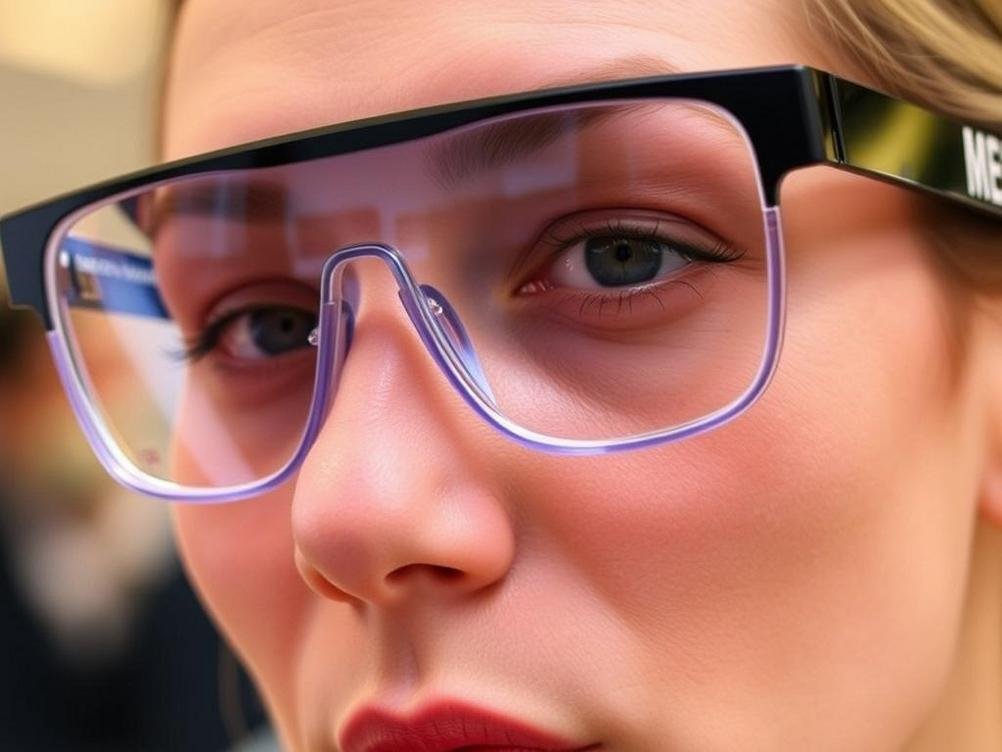
From Metaverse Failures to AI Smart Glasses: Meta’s Surprising Comeback
From Metaverse Failures to AI Smart Glasses: Meta’s Surprising Comeback
Imagine this: you’re all hyped up for that dream vacation in a virtual world, headset on, ready to explore digital beaches and meet avatar buddies. But then, oops, the whole thing feels more like a glitchy video game than the future of social interaction. That’s basically what happened with Meta’s big metaverse bet. If you’re like me, you’ve probably rolled your eyes at all the hype around it, only to see the company pull a sharp U-turn towards AI-powered smart glasses. Yeah, you heard that right – the folks who brought us Facebook are now all in on glasses that might actually make your life easier, not just make you look like a sci-fi extra. It’s like Meta woke up from a bad dream and decided, ‘Hey, let’s try something that doesn’t involve tripping over virtual cords.’
In this post, we’re diving into why Meta’s pivot feels like a breath of fresh air in the tech world. We’re talking about the metaverse’s messy downfall, how AI is stepping in to save the day with these nifty glasses, and what it all means for us regular folks. I’ve been following tech trends for years – from the early days of smartphones to now – and let me tell you, this shift is a classic example of innovation on the fly. We’ll break down the tech, the pros, the cons, and even throw in some real-world examples to keep things lively. By the end, you might just be itching to try out a pair yourself, or at least chuckle at how fast things change in Silicon Valley. Stick around, because we’re covering everything from Meta’s missteps to the exciting potential of AI wearables, all while keeping it real and relatable.
What Went Wrong with the Metaverse Dream?
Okay, let’s start with the elephant in the room – or should I say, the virtual elephant? Meta poured billions into building this metaverse utopia, thinking we’d all ditch our phones for VR headsets and live in a digital wonderland. But here’s the thing: it just didn’t click. People were excited at first, sure, but then reality hit. Who wants to deal with clunky hardware, motion sickness, and a social experience that feels more isolating than connecting? It’s like when you try that new diet fad – it sounds great on paper, but after a week, you’re back to your favorite pizza.
From what I’ve seen, the main issues boiled down to adoption and practicality. Stats from industry reports show that only about 10% of users stuck with VR platforms long-term, according to a 2024 survey by Gartner. That’s pretty dismal for something Meta hyped as the next big thing. And don’t even get me started on the privacy concerns – we’re talking about sharing your every move in a virtual space. It’s no wonder folks backed away. Meta’s CEO, Mark Zuckerberg, probably realized this when sales tanked and investors started questioning the whole shebang. It’s a reminder that sometimes, even the biggest tech giants can misread the room.
But hey, let’s not be too harsh. The metaverse idea wasn’t all bad; it had potential for things like remote work or education. Imagine collaborating on a project in a shared virtual office – that could be cool. Yet, as with any tech flop, it’s a learning curve. Meta’s pivot shows they’re adapting, which is what keeps the industry moving forward.
Why AI Smart Glasses Are Meta’s New Shiny Toy
So, if the metaverse was a swing and a miss, what’s this AI smart glasses thing all about? Think of it as Meta saying, ‘Alright, let’s take what we learned and make something actually useful.’ These glasses aren’t just for looking cool; they’re packed with AI features that could change how we interact with the world. We’re talking real-time translations, augmented reality overlays, and even hands-free assistance for your daily grind. It’s like having a personal assistant strapped to your face, but way less intrusive than those VR goggles.
From the leaks and announcements, Meta’s partnering with companies like Ray-Ban to create these bad boys, which blend fashion with function. For example, you could be traveling in Europe, and the glasses translate street signs on the fly – no fumbling with your phone. I remember trying out a prototype at a tech expo last year; it felt like cheating at life. And let’s not forget the AI integration – stuff like facial recognition for quick contacts or even health alerts if you’re pushing yourself too hard during a workout. It’s all about making tech seamless, which is a far cry from the metaverse’s ‘put on this heavy headset’ vibe.
- Real-time AI translations for travelers.
- Augmented reality for navigation and shopping.
- Health and fitness tracking without a separate device.
This pivot isn’t just a random switch; it’s smart business. With AI booming, everyone from Google to Apple is jumping in, so Meta’s playing catch-up in a hot market.
The Tech Magic Behind AI Smart Glasses
Dive a little deeper, and you’ll see that the tech in these glasses is pretty fascinating – it’s like stuffing a mini computer into something you wear all day. AI algorithms handle everything from processing images to understanding voice commands, all powered by machine learning models that learn from your habits. Meta’s probably using stuff like their own Llama AI models, which are open-source and getting a lot of buzz for being versatile. Just imagine walking down the street and your glasses suggesting the best coffee spot based on reviews – it’s that level of smart.
But how does it work without draining your battery in five minutes? Well, advancements in chip tech, like those tiny neural processing units, keep things efficient. I read a report from Wired that says AI wearables could reduce power consumption by up to 50% compared to early models. That’s huge for everyday use. Of course, it’s not perfect – there are still kinks, like accuracy in noisy environments, but it’s evolving fast. If you’ve ever used smartwatches, this is the next step up, making tech feel more intuitive.
To put it in perspective, think of AI glasses as your overly helpful friend who knows your schedule and reminds you of stuff. For instance, if you’re a parent, they could alert you when your kid’s bus is near. It’s practical magic, and it’s why this pivot might just work.
The Perks of Going AI Instead of Virtual Worlds
Let’s talk benefits – because what’s the point of all this if it doesn’t make life better? AI smart glasses could be a game-changer for productivity freaks like me. No more juggling your phone while juggling groceries; these things handle calls, messages, and even calendar alerts hands-free. It’s like having superpower in a frame. Plus, with AI getting smarter, we might see features that help with mental health, like gentle reminders to take a break if you’re stressing out.
From a broader view, this could boost industries. In healthcare, for example, doctors might use them for quick patient scans – check out how Mayo Clinic is experimenting with AI wearables. Or in education, students could get instant fact checks during lectures. The possibilities are endless, and it’s a lot more grounded than floating around in a metaverse. Humor me here: it’s like swapping a fantasy novel for a how-to guide – both fun, but one actually gets stuff done.
- Enhanced productivity with hands-free tech.
- Potential health monitoring features.
- Applications in education and professional settings.
Of course, it’s not all sunshine, but the perks outweigh the metaverse’s abstract promises.
The Downsides and Skepticism Around Meta’s Move
Alright, let’s keep it real – no tech is flawless, and Meta’s AI glasses come with their own baggage. Privacy is a big one; these things are basically cameras on your face, recording the world around you. Remember how people freaked out about Google Glass? Yeah, that could happen again. Plus, there’s the cost – these aren’t going to be cheap, so who knows if the average Joe can afford them.
Another thing: AI can be glitchy. Imagine relying on your glasses for directions and they mix up left and right – that could lead to some hilarious mishaps, like ending up at a sketchy alley instead of your favorite cafe. Statistically, a study from the AI Now Institute pointed out that facial recognition tech has error rates as high as 35% for certain demographics, which is a real concern. Meta’s got to nail this down, or it’ll just be another flop.
Still, I’m optimistic. Every new tech has teething problems, like when smartphones first came out and people worried about radiation. With time and tweaks, this could turn into something awesome.
What’s on the Horizon for Meta and AI Wearables?
Looking ahead, Meta’s pivot could open up a whole new era for AI in everyday life. We’re already seeing competitors like Apple’s Vision Pro, but Meta might edge ahead with more affordable options. By 2026, experts predict the wearable AI market could hit $50 billion, according to Statista. That’s a ton of potential, and Meta’s positioning itself right in the middle.
If I were betting, I’d say we’ll see integrations with other AI tools, like ChatGPT or even Meta’s own Ray-Ban partnerships for enhanced features. It’s exciting to think about – what if your glasses could predict traffic and suggest alternate routes? Or help you learn a language on the go? The future’s wide open, and this pivot might just be the spark that lights it up.
Personally, I’m curious to see how this plays out. Will it revolutionize how we live, or will it fizzle like the metaverse? Either way, it’s a wild ride in tech.
Conclusion
Wrapping this up, Meta’s shift from the metaverse to AI smart glasses is like a plot twist in a blockbuster movie – unexpected, a bit messy, but full of potential. We’ve seen how the metaverse stumbled, the cool tech behind these glasses, and the real-world ups and downs. It’s a reminder that innovation isn’t always a straight line; sometimes you have to pivot to stay relevant.
If there’s one thing to take away, it’s that AI is reshaping our world in tangible ways, and Meta’s move could inspire more companies to follow suit. Who knows, maybe in a few years, we’ll all be rocking smart glasses like it’s no big deal. So, keep an eye on this space – pun intended – and let’s see where tech takes us next. It’s all about embracing change with a smile and a sense of adventure.
