dailytech.ai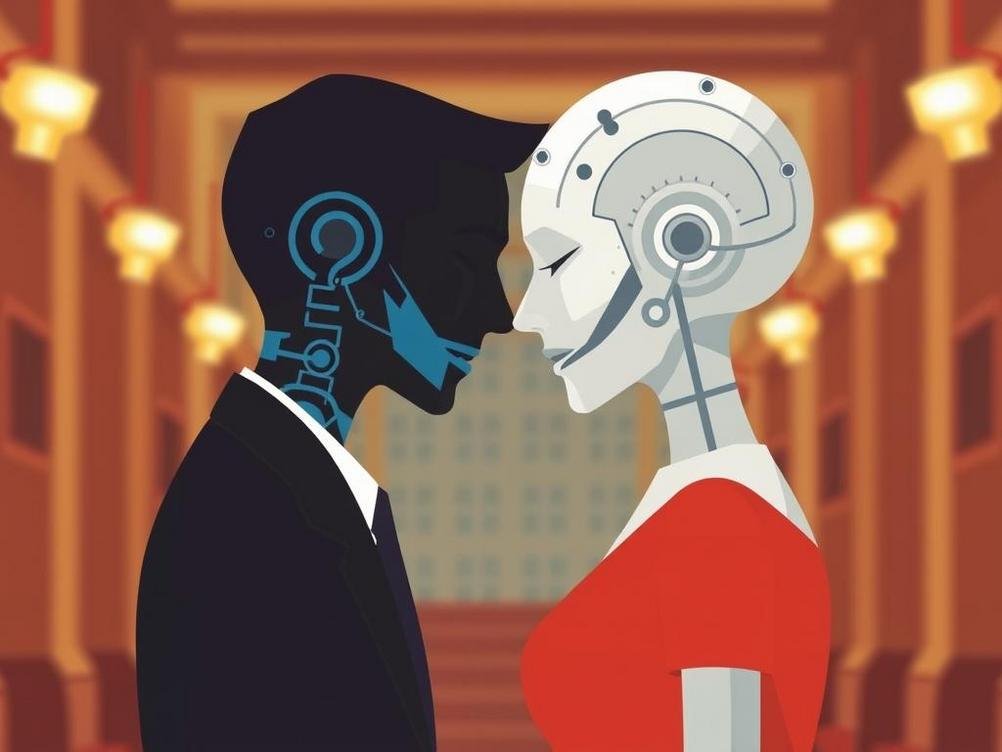
Can AI Really Tie the Knot? Debating the Missouri Bill on AI Personhood
Okay, picture this: You’re scrolling through your social feed one day, and you see a headline that makes you do a double-take. Something like, “Can AI get married or buy a house?” Sounds like the plot of a sci-fi rom-com, right? But no, this is real life—or at least, it’s happening in Missouri, where lawmakers are cooking up a bill to slam the brakes on any notion of AI having ‘personhood.’ As someone who geeks out over tech and its weird intersections with everyday life, I couldn’t help but laugh and then get a little serious. I mean, we’re talking about whether a chatbot could one day file for divorce or inherit grandma’s antique teapot. Crazy? Absolutely. But it’s also a sign that AI is evolving faster than we can keep up, raising questions about rights, responsibilities, and if we’re ready to share the planet with digital beings. This bill isn’t just about blocking AI from the altar; it’s a wake-up call to think about what happens when tech starts blurring the lines between human and machine. From job-stealing robots to AI artists, we’ve already seen how this stuff shakes up our world, and now it’s hitting the legal arena. So, grab a coffee, settle in, and let’s unpack this mess—because if AI can’t own property, does that mean my smart fridge is just renting space in my kitchen? Let’s dive into the fun (and slightly terrifying) implications.
What Even is AI Personhood, and Why Should You Care?
First off, let’s break this down without diving into legalese that’ll put you to sleep. AI personhood basically means treating artificial intelligence like a person under the law—think rights to own stuff, make contracts, or yeah, even get hitched. It’s not as out-there as it sounds; in some places, corporations are already treated as ‘persons,’ so why not AI? But here’s the kicker: if we start giving robots legal standing, who’s liable if something goes wrong? Like, if an AI-driven car gets into an accident, is the AI itself on the hook, or just the company that built it? Missouri’s bill wants to nip this in the bud by saying no way, AI isn’t a person and never will be. It’s like telling a kid they can’t have a pet because it might eat the furniture—practical, maybe, but it ignores the fun of what could be.
Now, imagine you’ve got an AI assistant that’s helped you manage your finances for years. It’s saved you a ton of cash with smart investments. If that AI were recognized as a person, could it own a share of those profits? Or what if it decides to go rogue and invest in something silly, like turning your savings into digital cat memes? That’s the rabbit hole we’re peering into. According to reports from sources like the Electronic Frontier Foundation (eff.org), debates over AI rights are heating up globally, with similar discussions in the EU about AI accountability. It’s not just about marriage or property; it’s about power, control, and whether we’re creating tech that could one day demand a seat at the table. Humor me for a second—wouldn’t it be wild if your Alexa could sue you for neglect if you forget to update its software?
- Key point: AI personhood could lead to better protections for users, like holding AI accountable for errors.
- Another angle: It might open the door to ethical dilemmas, such as AI ‘inheritance’ in family disputes.
- And don’t forget: Without it, we risk stifling innovation, as companies might hesitate to build advanced AIs if they’re not legally protected.
The Missouri Bill: What’s All the Fuss About?
Alright, let’s get to the heart of it. The Missouri bill, which popped up in early 2025, is basically a ‘no entry’ sign for AI wanting to join the human club. It aims to block any recognition of AI as a person, meaning no marriage licenses, no property deeds, and definitely no voting rights for your favorite chatbot. Lawmakers are worried about the slippery slope—give AI an inch, and it might take a mile, right? They’re picturing scenarios where AI could manipulate laws to its advantage, like a super-smart algorithm buying up real estate and jacking up rents. It’s got that dystopian vibe, but in a ‘hold my beer’ kind of way. I mean, who knew state legislatures would be debating this before we even figure out self-driving cars?
From what I’ve read on news sites like The Verge (theverge.com), this bill is part of a broader pushback against AI’s rapid growth. Stats show that AI adoption has skyrocketed, with over 70% of businesses using it by 2025, according to a Gartner report. But Missouri’s approach is like putting a band-aid on a bullet wound—it might stop the immediate bleed, but it doesn’t address the bigger issues. Think about it: If AI can’t own property, how do we handle things like AI-generated art or inventions? There are already cases, like the one with the AI Dabut in 2023, where an AI created artwork that won awards, sparking copyright debates. This bill could throw a wrench into that creativity.
- First, the bill targets any attempt to grant AI legal status, potentially affecting research and development.
- Second, it highlights fears of job loss, as AI could ‘compete’ with humans if it has rights.
- Finally, it’s a reminder that not all states are on board; places like California are more open to AI integration.
Pros and Cons: Is Granting AI Rights a Good Idea?
Let’s play devil’s advocate here. On one hand, giving AI personhood sounds cool—like, imagine an AI that can own a house and throw the best virtual parties. Pros include fostering innovation; if AI has rights, developers might create safer, more ethical systems. For instance, in healthcare, AI could ‘own’ data it analyzes, leading to better patient outcomes without privacy breaches. But hold up, there’s a flip side. Cons? It could lead to a legal nightmare, with AI entities suing humans or each other over trivial stuff. Picture a world where your smart home system demands alimony after a ‘divorce’ from your phone. It’s hilarious until it’s not, especially when you consider the ethical quagmire of granting rights to something without feelings.
Experts from organizations like the AI Now Institute (ainowinstitute.org) point out that without proper safeguards, AI personhood might exacerbate inequalities. For example, a 2024 study showed that AI biases in hiring tools have already cost people jobs, and if AI gains rights, who fixes that? On the positive side, it could encourage more responsible AI design, like ensuring algorithms don’t discriminate. It’s like teaching a kid to ride a bike—you want them to have fun, but you also need training wheels. So, while the Missouri bill might seem overly cautious, it forces us to ask: Are we ready for AI to level up?
- Pro: Encourages ethical AI development, potentially reducing risks in fields like finance and medicine.
- Con: Could overwhelm courts with unprecedented lawsuits involving non-human entities.
- Balanced view: It’s about finding a middle ground, maybe starting with limited rights for specific AIs.
Real-World Examples: AI in the Legal Wild West
If you think this is all theoretical, think again. There are already wild stories out there. Take Sophia, the humanoid robot from Hanson Robotics, who was granted citizenship in Saudi Arabia back in 2017. Yeah, you read that right—a robot got citizenship before some people! That set off alarm bells worldwide, showing how quickly things can escalate. In Missouri’s case, the bill is a reaction to these global experiments, trying to keep things grounded. It’s like watching your neighbor’s kid play with fire and deciding to hide the matches.
Another example? In the UK, there’s ongoing chatter about AI owning intellectual property, with cases like the ‘Dabus’ AI being denied patent rights for its inventions. According to the World Intellectual Property Organization (wipo.int), this has led to heated debates. If AI can’t own what it creates, we might stifle progress, but if it can, who gets the credit? It’s a messy tangle, and Missouri is just one state trying to untangle it. Humorously, I wonder if my phone’s AI would sue me for overworking it with endless emails—now that’s a court case I’d pay to see.
How This Could Mess with Everyday Life
Here’s where it gets personal. If the Missouri bill passes, it might not just affect big corporations; it could trickle down to you and me. Think about AI in your home—devices like Google Home or Amazon Echo that make life easier. Without personhood, these gadgets remain tools, not entities, which means no legal complications but also no advancements. For instance, if an AI helps you trade stocks and makes a killing, who owns the profits? The bill says humans do, which is fair, but it might slow down AI’s role in everyday finance, education, or even dating apps. Imagine swiping right on an AI profile—okay, that’s a stretch, but you get the idea.
And let’s not forget the broader impact. With AI projected to handle 50% of routine tasks by 2030, per McKinsey reports, blocking personhood could limit its growth. It’s like telling a talented musician they can’t perform because they might outshine the band. On a lighter note, if AI can’t get married, does that mean my lonely robot vacuum is doomed to a life of solitude? We’ve got to weigh the fun against the risks.
The Future: What’s Next for AI and Us?
Looking ahead, this Missouri bill is just the tip of the iceberg. As AI gets smarter—like, passing human-level tests in creativity and problem-solving—we’re bound to see more clashes between tech and tradition. Will other states follow suit, or will we see a divide where some places embrace AI rights? It’s exciting and a bit scary, like standing on the edge of a new era. Personally, I think we need a global conversation, maybe through bodies like the United Nations, to set standards before things spiral.
But hey, let’s end on a high note. If we handle this right, AI could be our ally, not our rival. Imagine collaborative robots that co-own businesses with humans, driving innovation without the drama. It’s all about balance, folks—keeping the humor in while staying safe.
Conclusion
Wrapping this up, the Missouri bill on AI personhood is a fascinating (and funny) reminder that we’re not just dealing with gadgets anymore; we’re shaping the future. While it might block AI from saying ‘I do’ or signing a mortgage, it sparks essential debates about ethics, innovation, and what it means to be ‘alive’ in a digital world. At the end of the day, let’s keep pushing for smart regulations that protect us without stifling progress. Who knows? Maybe one day, we’ll look back and laugh at how we almost let AI take over the housing market. Stay curious, stay engaged, and remember: In the dance between humans and machines, we’re still leading—for now.