How AI is Changing the Game for Predicting Premature Births in the US
How AI is Changing the Game for Predicting Premature Births in the US
Imagine you’re expecting a little one, and suddenly, the doctor says your baby might arrive way too early. It’s enough to send anyone into a tailspin, right? Well, did you know that in the US, about 1 in 10 babies are born premature? That’s over 10% of all births, folks—that’s a whole lot of tiny fighters coming into the world before they’re ready. It’s not just about the worry for parents; it means higher risks for health issues like breathing problems, developmental delays, or even long-term challenges. But here’s where it gets exciting: AI is swooping in like a superhero, helping doctors spot these risks early. Picture this—algorithms analyzing data from wearable devices, medical records, and even genetic info to predict problems before they escalate. It’s like having a crystal ball, but way more reliable and backed by science. As someone who’s always been fascinated by how tech can make real differences in everyday life, I think this is a game-changer. We’re talking about potentially saving lives, reducing stress for expectant parents, and making healthcare smarter. In this article, we’ll dive into the nitty-gritty of premature births, how AI is stepping up, and why this could be the future of maternity care. Stick around, because by the end, you might just see AI in a whole new light—no fancy jargon, just straight talk with a dash of humor to keep things lively.
What Exactly is a Premature Birth Anyway?
You know, when I first heard about premature births, I thought it was just babies showing up a week or two early—like that friend who’s always fashionably late. But it’s way more serious than that. A premature birth, or preterm birth, happens when a baby is born before 37 weeks of pregnancy. That’s like trying to bake a cake and pulling it out of the oven before it’s done—it might look okay on the outside, but inside, things aren’t fully set. In the US, this affects around 380,000 babies each year, according to the CDC. These little ones often face hurdles like underdeveloped lungs or feeding difficulties, and it can lead to NICU stays that tug at every parent’s heartstrings.
What’s causing all this? Well, it’s a mix of factors—things like infections, stress, or even lifestyle choices. For instance, if a mom has conditions like high blood pressure or diabetes, it can up the odds. And let’s not forget the environmental stuff, like pollution or lack of access to good prenatal care. It’s not just one thing; it’s a puzzle. But here’s a fun fact to lighten the mood: with AI on the scene, we’re starting to piece that puzzle together faster. Think of it as detective work, where computers sift through clues we humans might miss.
To break it down, here’s a quick list of common risk factors for premature births:
- Previous preterm delivery—if it happened once, it might happen again.
- Multiple pregnancies, like twins or triplets—more babies, more strain on the body.
- Chronic health issues in the mother, such as hypertension or infections.
- Lifestyle factors, including smoking, poor nutrition, or high stress levels.
- Age—being under 17 or over 35 can play a role, surprisingly.
The Alarming Stats: Why Premature Births Are a Big Deal in America
Okay, let’s get real for a second—numbers don’t lie, and the stats on premature births in the US are pretty eye-opening. We’ve got about 10% of births happening too soon, which puts us in a not-so-great spot compared to other developed countries. I mean, imagine if 1 in 10 flights got delayed indefinitely; we’d all be losing our minds. This isn’t just about inconvenience; it’s about the human cost. Premature babies often need intensive care, and that racks up medical bills that can hit families hard—we’re talking billions of dollars annually in healthcare costs. Plus, there’s the emotional toll, like parents spending weeks in hospitals instead of bringing their bundle of joy straight home.
What’s driving these numbers? A bunch of things, really. Disparities in healthcare access play a huge role—folks in rural areas or underserved communities might not get the regular check-ups they need. And let’s not ignore how stress from daily life, like juggling jobs and family, can tip the scales. For example, studies show that women in high-stress jobs or facing economic hardships are more likely to have preterm births. It’s like the world’s way of piling on when things are already tough. But here’s where AI shines: by analyzing patterns in vast amounts of data, it can help identify at-risk pregnancies early, potentially cutting down those stats over time.
If you’re curious about the bigger picture, check out resources from the March of Dimes (marchofdimes.org). They break down how social determinants, like income and education, affect birth outcomes. It’s eye-opening stuff, and it makes you appreciate how tech like AI could level the playing field.
How AI is Jumping into the Ring to Predict Premature Births
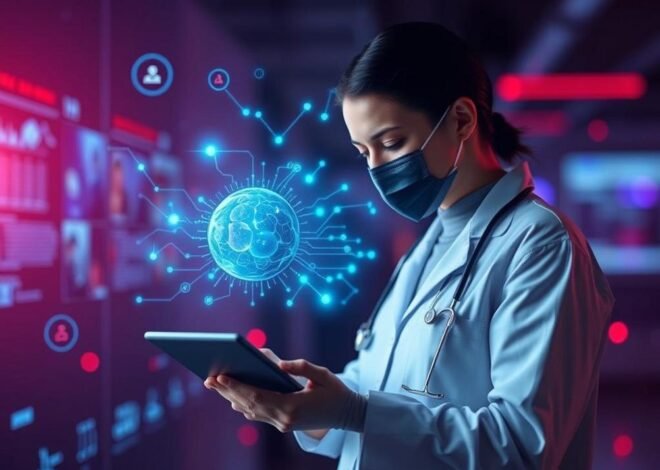
Alright, let’s talk about the star of the show: AI. It’s not just for sci-fi movies anymore; it’s in hospitals, crunching numbers to predict when a baby might arrive early. Think of AI as that overly prepared friend who sees trouble coming a mile away. By using machine learning algorithms, doctors can feed in data from ultrasounds, blood tests, and even wearable devices that track things like heart rate or activity levels. The goal? Spot patterns that signal a premature birth, like irregular hormone levels or signs of inflammation. It’s like teaching a computer to play chess, but instead of checkmate, it’s about checkups.
One cool way this works is through predictive models that analyze historical data. For instance, if a certain combination of factors led to preterm births in the past, AI can flag similar cases now. And it’s getting smarter every day, learning from new data. I’ve read about tools like those developed by companies such as IBM Watson Health (ibm.com/watson-health), which use AI to sift through patient records. It’s not magic; it’s math, but it feels pretty magical when it helps prevent issues before they start.
To make it simple, here’s how AI prediction typically unfolds:
- Gather data: Collect info from electronic health records, wearables, and tests.
- Train the model: Use algorithms to learn from past cases.
- Predict and alert: Flag high-risk pregnancies for doctors to intervene.
- Monitor and adjust: Continuously update the AI with new outcomes.
Real-World Wins: AI in Action for Expecting Moms
Let’s shift gears and look at some real stories where AI has made a difference—because theory is great, but seeing it in action is even better. Take, for example, a pilot program at a hospital in California where AI analyzed ultrasound images to predict preterm labor. It caught issues in women who seemed low-risk, allowing doctors to step in with treatments like progesterone shots. One mom I read about shared how it gave her peace of mind, saying, “I felt like I had an extra set of eyes watching over me.” It’s stories like these that show AI isn’t just tech; it’s a lifeline.
And it’s not limited to big cities. In rural areas, AI-powered apps on smartphones are helping monitor pregnancies remotely. Imagine a farmer’s wife in the Midwest using an app to track her symptoms, with AI sending alerts to her doctor if something’s off. According to a 2023 study in the Journal of Obstetrics and Gynecology, AI tools reduced preterm births by up to 20% in trial groups. That’s not shabby! It’s like having a personal health coach in your pocket, minus the judgment.
If you’re into specifics, platforms like GigaHealth (gigahealth.com) are using AI for predictive analytics in maternal care. They crunch data from thousands of cases to offer insights, proving that tech can bridge gaps in healthcare access.
The Upsides and Downsides: Is AI Really All That?
Don’t get me wrong, AI sounds like a miracle worker, but it’s not perfect—nothing is, right? The upsides are huge: it can analyze data faster than a human ever could, leading to earlier interventions that save lives and money. For instance, if AI predicts a preterm birth, doctors might recommend bed rest or medications, potentially avoiding emergency situations. It’s like having a weather forecast for your pregnancy—plan ahead and dodge the storm. Plus, with accuracy rates climbing above 85% in some studies, it’s becoming a trusted tool in OB-GYN offices.
But let’s keep it real; there are downsides too. AI relies on good data, and if that data is biased—say, from mostly one demographic—it might not work as well for everyone. There’s also the privacy angle; sharing health info can feel invasive, like letting a stranger read your diary. And humorously, what if AI gets it wrong? You don’t want false alarms turning every pregnancy into a sci-fi thriller. Still, with ongoing improvements, these kinks are getting ironed out.
Here are a few pros and cons to chew on:
- Pros: Faster predictions, personalized care, and cost savings.
- Cons: Potential biases, data privacy concerns, and the need for human oversight.
- Other perks: Reduces unnecessary interventions by focusing on high-risk cases.
- Pitfalls: Over-reliance on tech could diminish the doctor-patient relationship.
What’s Next? The Future of AI in Maternal Health
Looking ahead, AI in predicting premature births is only going to get more sophisticated, and that’s pretty thrilling. We’re talking about integrating it with everyday tech, like smartwatches that monitor fetal heart rates or apps that use voice analysis to detect stress levels in moms. By 2030, experts predict AI could cut preterm rates by another 10-15%, making parenthood a bit less of a rollercoaster. It’s like upgrading from a flip phone to a smartphone—suddenly, everything’s more connected and efficient.
Of course, we need to address the ethical side, like ensuring AI is accessible to all, regardless of income or location. Initiatives from organizations such as the World Health Organization are pushing for global standards. And on a lighter note, maybe one day AI will even suggest fun things for moms-to-be, like, “Hey, take a walk—it’s good for you!” But seriously, the potential for combining AI with telemedicine could revolutionize care in remote areas.
For more on emerging trends, the NIH has resources on AI in healthcare (nih.gov). It’s worth a peek if you’re as geeked out about this as I am.
Conclusion
Wrapping this up, it’s clear that AI is more than just a buzzword—it’s a powerful ally in the fight against premature births, offering hope to families across the US. We’ve covered the basics of what premature births entail, the startling statistics, how AI is making waves, real-world successes, the balances of pros and cons, and what’s on the horizon. At the end of the day, while tech can’t replace the warmth of a doctor’s care, it sure can enhance it, potentially making pregnancies safer and more predictable. If there’s one thing to take away, it’s that we’re on the cusp of something big—so let’s embrace it with open arms and a bit of humor. Who knows, maybe AI will help us all sleep a little easier knowing our little ones have a better shot at a healthy start. Here’s to the future of health tech—may it be as reliable as your favorite coffee shop on a Monday morning.