dailytech.ai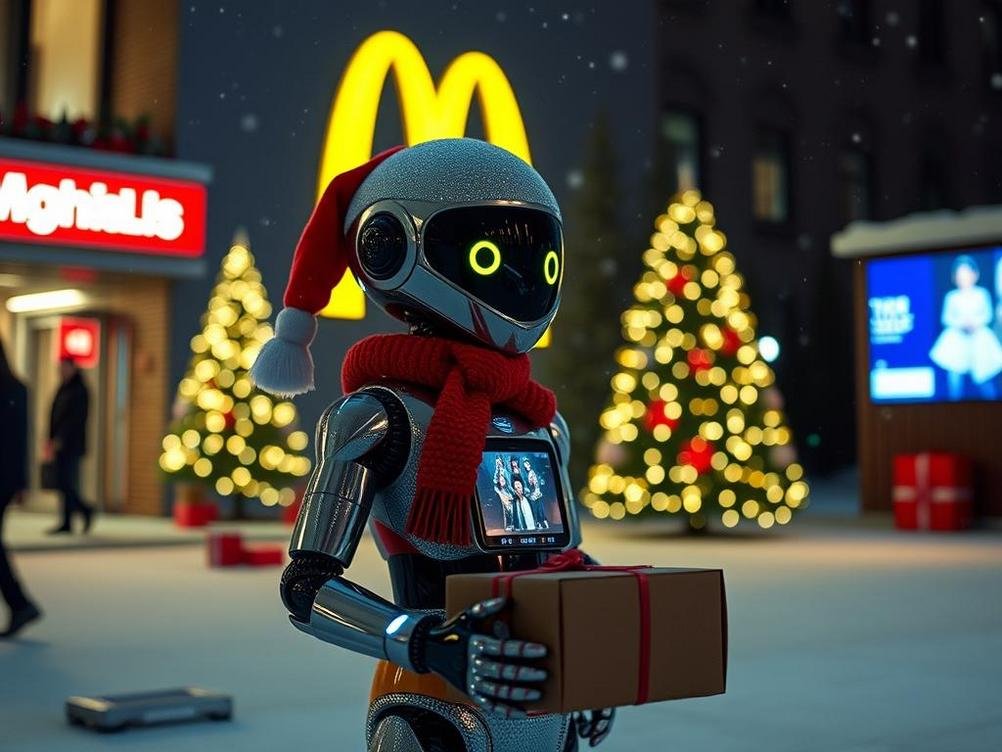
Why McDonald’s AI Christmas Ad Backfired Spectacularly – And What We Can Learn
Imagine this: You’re all cozy on the couch, sipping hot cocoa and flipping through TV channels, when suddenly a Christmas ad pops up that’s supposed to warm your heart. But instead, it’s a total mess – AI-generated characters looking like they just escaped from a glitchy video game, spouting lines that don’t make any sense. That’s exactly what happened with McDonald’s latest holiday campaign, and boy, did it stir up a storm! We’re talking backlash from customers, social media meltdowns, and the company hitting the brakes faster than Santa on a slippery roof. It’s a wild story that shows how even big brands can trip over their own tech toes when they dive into AI without thinking it through.
This whole fiasco got me thinking about how AI is shaking up the advertising world. On one hand, it’s this magical tool that can whip up creative stuff in seconds, saving time and money. But on the other, it can turn into a comedy of errors if it’s not handled right. Think about it: We’ve all seen those viral fails where tech tries to mimic human creativity but ends up looking awkward or just plain weird. McDonald’s pulled their ad quicker than you can say “I’m lovin’ it,” but the damage was already done. In this article, we’ll dive into the nitty-gritty of what went wrong, why people lost their cool, and some real-talk lessons for other brands out there. Plus, I’ll sprinkle in a bit of humor because, let’s face it, sometimes the best way to learn from a blunder is to laugh about it. So, grab your favorite snack – maybe not McDonald’s this time – and let’s unpack this AI adventure together. It’s a reminder that in the fast-paced world of marketing, even the giants can have an off day.
What Happened with McDonald’s AI Ad?
You know how companies love to jazz up their holiday ads with feel-good vibes? McDonald’s decided to go all-in on AI for their Christmas campaign, probably thinking it would be a slick, cost-effective way to create something fresh. But what they ended up with was an ad that looked like it was made by a robot who’d never celebrated the holidays. Reports say the AI-generated visuals were off – think wonky-faced characters and scenes that didn’t quite match the script. It was meant to be heartwarming, showing families enjoying McDonald’s festive meals, but instead, it came across as creepy and unnatural.
From what I gathered, the ad didn’t sit well with viewers right away. Social media blew up with memes and complaints, with folks pointing out how the AI elements made the whole thing feel disconnected from real emotions. It’s like when you try to use a filter on your selfie and it turns you into a cartoon version of yourself – hilarious at first, but not exactly what you were going for. McDonald’s quickly realized the error and pulled the ad, issuing a statement that basically said, “Oops, our bad.” This isn’t the first time a brand has had to backtrack on an AI project, but it highlights how fast things can spiral when tech doesn’t align with human expectations.
- Key elements that flopped: Poorly rendered AI images, unnatural dialogue, and a lack of genuine holiday spirit.
- How it started: The ad was released online and on TV, aiming for widespread reach during the busy Christmas season.
- The immediate response: Users shared screenshots and videos, turning it into a trending topic overnight.
Why Did People Freak Out Over This?
Okay, let’s get real – people weren’t just mad for no reason. The backlash stemmed from a few big issues, like how the AI ad felt inauthentic in a season that’s all about warmth and connection. Imagine expecting a heartfelt story and getting something that looks like it was pieced together by a computer program with a sense of humor as dry as overcooked fries. Critics pointed out that the AI-generated content missed the mark on cultural nuances, making characters and scenarios that didn’t resonate with audiences. It’s like trying to tell a joke in a language you don’t fully understand – it might not land, and could even offend.
Another layer to this is the growing unease about AI in creative fields. With tools like DALL-E or Midjourney making waves, there’s a fear that jobs in advertising and design could be at risk. People saw this ad as a prime example of how AI can strip away the human touch, turning something fun into something formulaic. And let’s not forget the ethical side – was the content original, or just a mishmash of existing ideas? That question alone fueled the fire. If you’re curious about how AI tools can sometimes go sideways, check out Midjourney’s website for examples of both successes and fails in AI-generated art.
- Common complaints: The ad’s creepy visuals, lack of diversity, and failure to capture genuine emotions.
- Bigger picture: This ties into broader concerns about AI ethics, like originality and representation in media.
- Social media’s role: Platforms like Twitter amplified the issue, with hashtags trending within hours.
The Funny Side of AI Mishaps in Advertising
Alright, let’s lighten things up a bit because, honestly, some AI fails are comedy gold. McDonald’s ad is just the latest in a string of hilarious blunders that make you chuckle and shake your head at the same time. Remember when a beauty brand used AI to generate models and ended up with faces that looked like they were from another planet? It’s like AI is that friend who’s great at parties but sometimes says the wrong thing. In McDonald’s case, the ad’s awkward animations and stilted dialogue had everyone cracking jokes online – think viral tweets comparing it to a bad sci-fi movie. Humor aside, these moments remind us that technology isn’t perfect, and that’s okay; it’s all part of the learning curve.
What’s really amusing is how these fails often go viral, giving brands free publicity – even if it’s not the kind they wanted. I mean, who knew an AI Christmas ad could become meme fodder? It’s a bit like when your uncle tries to tell a story at family dinner and it goes sideways, but everyone ends up laughing. The key takeaway? Embracing the funny side can help brands recover faster. For instance, if McDonald’s had poked fun at themselves, they might have turned the situation around. If you’re into seeing more AI quirks, sites like AI Weirdness showcase plenty of examples that are equal parts entertaining and educational.
- Classic AI advertising fails: Like the time a car company’s AI ad featured impossible physics.
- Why it’s funny: These slip-ups humanize tech and show we’re all in this together.
- Tips for brands: Use humor in responses to build goodwill.
Pros and Cons of AI in Marketing
Now, don’t get me wrong – AI isn’t all bad; it’s got some serious perks for marketing. On the plus side, it can churn out ideas faster than a caffeine-fueled brainstorm session, helping brands create personalized content at scale. For McDonald’s, the idea was probably to save time and money on traditional ad production. But here’s the catch: While AI can analyze data and predict trends, it often lacks that spark of human creativity that makes ads memorable. It’s like having a super-smart assistant who can organize your calendar but can’t tell a good story to save their life.
The downsides are pretty clear from this fiasco. AI can produce content that’s tone-deaf or culturally insensitive if not guided properly, leading to backlash like what McDonald’s faced. Plus, there’s the whole issue of originality – if everything starts feeling generic, what’s the point? Statistics from a 2024 report by Gartner show that 70% of businesses using AI in marketing have encountered similar issues, with unintended biases creeping in. So, it’s a double-edged sword; you get efficiency, but at what cost? If you’re diving into AI marketing tools, platforms like Adobe Sensei offer ways to balance automation with human input.
- Pros: Speed, cost savings, and data-driven insights.
- Cons: Potential for errors, loss of authenticity, and ethical concerns.
- Real-world example: McDonald’s ad highlights the need for human oversight.
How Brands Can Avoid These Blunders
If there’s one thing we’ve learned from McDonald’s slip-up, it’s that brands need to be smarter about integrating AI. First off, don’t just throw AI at a project and hope for the best – treat it like a new team member who needs training. Test everything rigorously, get feedback from real people, and make sure the output aligns with your brand’s voice. For instance, McDonald’s could have run focus groups to catch those weird visuals before launch. It’s all about blending AI’s strengths with human intuition to create something that actually connects.
And hey, let’s talk about the fun part: Adding a layer of humor or relatability can save the day. If your AI ad starts looking off, lean into it with a clever twist. Statistics from a 2025 Marketing AI Institute survey reveal that brands with human-AI collaborations see 40% higher engagement rates. So, next time you’re using AI for ads, remember to keep it real and review it with a critical eye. Tools like ChatGPT can be great for ideation, but always double-check the results.
- Step 1: Plan ahead with clear guidelines for AI usage.
- Step 2: Incorporate human review at every stage.
- Step 3: Monitor feedback and be ready to pivot.
What’s Next for AI in Holiday Advertising?
Looking ahead, AI isn’t going anywhere – it’s only going to get better, especially for holiday campaigns. But after McDonald’s debacle, brands are probably rethinking their strategies. We might see more hybrid approaches, where AI handles the heavy lifting of data analysis and initial drafts, but humans add the emotional punch. Imagine ads that are tailored to your viewing habits while still feeling warm and fuzzy – that’s the sweet spot.
The future could involve advancements like improved AI ethics training to avoid cultural missteps. By 2026, experts predict AI will power 60% of personalized ads, according to Forbes, but only if lessons from fails like this one are heeded. So, for McDonald’s and others, it’s about evolving and maybe even turning this into a comeback story. Who knows, next Christmas we could see them nailing it with a perfectly balanced AI-human collab.
Conclusion
Wrapping this up, McDonald’s AI Christmas ad might have been a flop, but it’s a valuable wake-up call for the advertising world. We’ve seen how quickly things can go south when tech overshadows creativity, but it’s also a chance to grow. By mixing AI’s efficiency with human insight, brands can create campaigns that truly resonate. So, here’s to learning from the laughs and pushing forward – after all, every mistake is just a stepping stone to something better. Let’s keep an eye on how AI evolves and make sure it enhances, rather than replaces, the magic of marketing.