dailytech.ai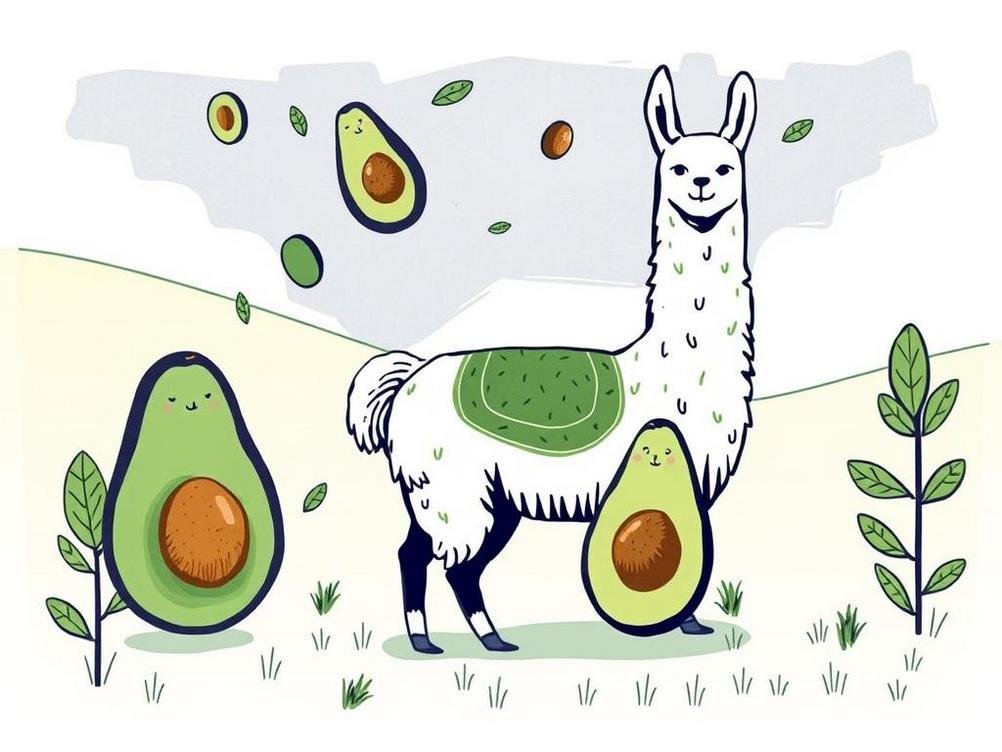
Why Meta’s Wild AI Swings from Llamas to Avocados Are Stirring Up a Storm
Picture this: You’re at a family barbecue, flipping burgers one minute and suddenly deciding to try your hand at making guacamole the next. Sounds fun, right? But what if that indecisiveness was happening at a massive tech company like Meta, where billions of dollars and thousands of jobs are on the line? That’s basically what’s going on with Meta’s AI strategy these days. From their early push with Llama, that open-source AI model everyone was buzzing about, to what seems like a pivot towards newer, maybe even quirkier ideas (hello, avocados—okay, maybe that’s not literal, but you get the drift), it’s all turning into a bit of a circus. And let me tell you, it’s not just the outsiders scratching their heads; insiders are probably pulling their hair out trying to keep up.
This whole saga got me thinking about how fast the AI world is changing. We’ve all seen how Meta, formerly known as Facebook, has been all over the map with their tech bets. Remember when they were all in on the metaverse? Now, it’s AI taking center stage, but with twists and turns that make you wonder if they’re playing AI bingo. Is this strategic evolution or just a case of tech whiplash? As someone who’s followed the AI beat for a while, I can’t help but chuckle at the irony. Here we are in 2025, and companies like Meta are still figuring out their AI game plan, which might be causing more confusion than clarity. But hey, if there’s one thing AI teaches us, it’s that experimentation is key—even if it leads to a few facepalms along the way. Stick around as we dive into this messy yet fascinating story, and maybe we’ll uncover why these shifts matter to you, whether you’re an AI enthusiast, a casual user, or just someone who’s tired of tech drama.
What Exactly is Meta’s Llama, and Why the Sudden Shift?
Okay, let’s start at the beginning because if you’re not deep into AI, you might be wondering what the heck Llama even is. Meta’s Llama isn’t some cute animal from the Andes; it’s their big open-source AI language model that burst onto the scene a couple of years back. Think of it as the Swiss Army knife of AI—versatile, powerful, and free for developers to tinker with. Meta rolled this out to show they were serious about democratizing AI, letting everyone from startups to solo coders build cool stuff without breaking the bank. It was a smart move, positioning Meta as the cool kid on the block in the AI playground.
But fast-forward to now, and it feels like Meta’s doing a 180. Rumors are swirling about pivots to other projects—maybe something as random as ‘avocados,’ which could be code for their latest internal experiments or partnerships. Who knows, perhaps it’s a nod to sustainable tech or some green initiative tied to AI efficiency? The point is, this shift is raising eyebrows. Why ditch a winner like Llama so quickly? From what I’ve read on sources like The Verge, it’s all about adapting to the AI arms race. Competitors like Google and OpenAI are throwing haymakers with their own models, so Meta’s probably thinking, ‘Hey, we need to mix it up to stay relevant.’ It’s like changing recipes mid-cookout—sometimes it works, sometimes you end up with a burnt mess.
To break it down, let’s list out the key elements of Meta’s original Llama strategy:
- It was all about openness, encouraging collaboration and innovation across the globe.
- Llama helped Meta build goodwill in the AI community, attracting top talent and partnerships.
- But with new regulations and ethical concerns popping up, Meta might be steering towards more controlled, proprietary stuff—hence the confusion.
The Inside Scoop: How These Changes Are Shaking Up Meta’s Teams
Imagine working at Meta, pumped up about Llama one day, only to hear the higher-ups are shifting gears the next. That’s got to feel like whiplash. From what insiders have leaked (and boy, do leaks love Meta), there’s a ton of internal confusion. Employees are bouncing between projects, trying to figure out if their hard work on Llama is going to gather dust or get a second wind. It’s not just about the tech; it’s about people’s livelihoods. One engineer might be elbow-deep in code for an AI chatbot, and suddenly, poof, the focus is on something entirely different.
This kind of chaos isn’t unique to Meta, but it’s amplified because they’re such a big player. Think about it—companies like this have entire departments dedicated to AI, and when the strategy flips, it’s like rearranging deck chairs on a speeding boat. I’ve chatted with a few folks in the industry (off the record, of course), and they say morale can take a hit. It’s funny how AI, meant to make things efficient, ends up creating inefficiencies internally. If you’re leading a team, you’d want to avoid this, right? Yet, it’s happening, and it’s a reminder that even giants aren’t immune to missteps.
Here’s a quick rundown of the potential fallout from these shifts:
- Delayed projects: Resources get pulled, and what was promising might fizzle out.
- Talent drain: Top minds might jump ship if things feel too unstable.
- Innovation slowdown: Constant pivots can stifle creativity instead of sparking it.
Why Do Tech Giants Keep Pivoting Their AI Strategies Anyway?
Let’s get real—AI isn’t a straight path; it’s more like a winding road trip with surprise detours. Meta’s not the first to flip-flop, and they won’t be the last. Take Google, for instance; they’ve gone from prioritizing one AI feature to another faster than you can say ‘I’m feeling lucky.’ The reason? The AI landscape is evolving at warp speed. New breakthroughs, regulatory changes, and market demands mean companies have to adapt or get left in the dust. For Meta, sticking with Llama might have seemed solid, but with competitors dropping advanced models left and right, they’re probably thinking, ‘What’s our next big thing?’
It’s almost comical when you think about it. Remember how Block (formerly Twitter, wait no, that’s X now—see what I mean about changes?) has rebranded and shifted strategies multiple times? AI is no different. Companies pivot because they have to chase the shiny new object, like a kid in a candy store. But this can lead to what experts call ‘strategy fatigue,’ where the constant shifts make it hard to build momentum. According to a report from McKinsey, about 70% of digital transformations fail due to poor execution, and AI strategies are no exception.
If I were to metaphorize it, it’s like trying to catch lightning in a bottle—exciting, but elusive. What can we learn? Well, for starters, clear communication from the top could help. Imagine if Meta had a ‘AI roadmap town hall’—that might cut down on the confusion.
The Ripple Effects: How Meta’s Confusion Impacts the Bigger AI World
Meta’s internal drama doesn’t stay behind closed doors; it ripples out to the rest of us. Developers who built on Llama are now wondering if their apps will still work or if they’re investing in a sinking ship. It’s like building a house on sand—sure, it might hold for a bit, but one wave and you’re scrambling. This uncertainty can slow down innovation across the industry, making everyone second-guess their bets on open-source AI.
And let’s not forget the users. If Meta’s AI tools keep changing, features we rely on—like smarter recommendations on Instagram or better ad targeting—could become unreliable. That’s frustrating for businesses too, especially in marketing, where AI is a game-changer. I mean, who wants to pour money into an AI ad campaign only for the strategy to flip? Statistics from Statista show that AI in marketing is projected to grow to over $100 billion by 2026, so these shifts could throw a wrench in that machine.
To put it in perspective, here’s how this plays out in real life:
- Startups relying on Meta’s tools might pivot their own plans, leading to a domino effect.
- Investors could get skittish, affecting funding for AI projects.
- The open-source community might demand more stability, pushing for better standards.
Lessons Learned: What Meta’s Mess Means for You and Me
So, what’s the takeaway from all this AI shuffling at Meta? For one, it’s a wake-up call that even the big dogs can trip over their own feet. If you’re tinkering with AI in your own projects, remember that flexibility is key, but so is commitment. Don’t jump ship at every new trend; sometimes, sticking with what works pays off bigger than chasing the next big thing.
Oh, and humor me for a second—think of AI strategies like dating. You might swipe left on one idea, but that doesn’t mean you abandon the whole app. Meta could learn a thing or two about balance. From a personal angle, I’ve seen friends in tech burn out from constant changes, so if you’re in that boat, take a breath and focus on what excites you most.
A few practical tips if you’re navigating AI changes:
- Stay informed but don’t obsess—follow reliable sources like arXiv for the latest research.
- Build your skills in adaptable tools, so you’re not left high and dry.
- Network with peers; sometimes, a chat over coffee sparks the best ideas.
Wrapping It Up: A Brighter Future Amid the Chaos
In conclusion, Meta’s shift from Llama to whatever’s next is a wild ride that’s got everyone from employees to AI enthusiasts doing double-takes. It’s a mix of excitement and frustration, showing how the AI world is still figuring itself out. But hey, that’s what makes it fun—innovation thrives on a little confusion, as long as we learn from it. As we head into 2026, let’s hope Meta finds its footing and turns this into a story of triumph rather than turmoil.
What really inspires me is how these missteps can lead to better practices for the whole industry. If Meta nails this, it could set a precedent for more stable AI strategies, making tech a bit less unpredictable. So, keep an eye on the developments, stay curious, and who knows—maybe your next big idea will come from all this shake-up. After all, even avocados started from a seed; with the right care, they can grow into something amazing.