dailytech.ai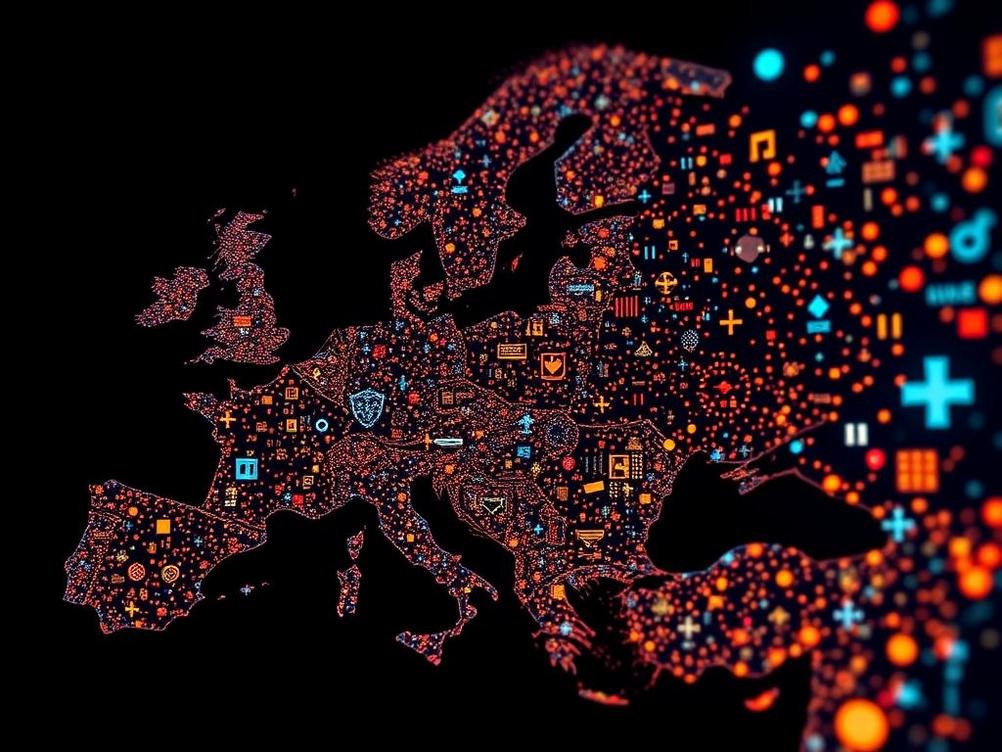
Is AI Really Taking Over Europe? The Scoop on 20% of Businesses Jumping In
Imagine this: You’re sipping coffee in a cozy café in Berlin, scrolling through your phone, and suddenly you see that 20% of EU enterprises are now dabbling in AI technologies. Wait, what? That’s like one in every five companies across the bloc—from tech-savvy startups in Amsterdam to manufacturing giants in Milan—getting their hands dirty with machine learning, automation, and all that futuristic jazz. It’s not just hype; it’s a real shift that’s reshaping how businesses operate. But let’s be honest, in a world where AI can write poetry or beat us at chess, you might be wondering: Is this a game-changer or just another trend that’ll fizzle out? As someone who’s followed AI’s rise for years, I’ve got to say, this statistic from the European Commission’s latest reports is a wake-up call. It’s showing us that AI isn’t some distant sci-fi dream anymore—it’s here, making decisions in boardrooms and warehouses alike. In this article, we’ll dive into what this 20% really means for the average business owner, explore why Europe’s jumping on board, and maybe even sprinkle in some laughs along the way. After all, if AI can handle our emails, who’s to say it won’t start ordering our pizzas next? Stick around, and let’s unpack this together, because understanding AI’s role in Europe could be the edge your business needs in 2025 and beyond.
What Does That 20% Really Mean Anyway?
You hear ‘20% of EU enterprises use AI’ and it sounds impressive, right? But let’s break it down like we’re chatting over beers. According to data from the EU’s digital economy and society index, this figure comes from surveys of thousands of businesses across 27 countries, covering everything from small shops to massive corporations. It’s not just about fancy AI like ChatGPT; we’re talking predictive analytics in supply chains or chatbots handling customer service. Think of it as the tip of the iceberg—20% might seem modest, but it’s doubled in the last few years, which is like your favorite band going from playing tiny clubs to headlining festivals overnight.
Now, why should you care? Well, if you’re running a business in the EU, this stat highlights a growing divide. Companies using AI are reporting boosts in efficiency and innovation, while others are playing catch-up. For instance, a report from Eurostat shows that these adopters are often in sectors like manufacturing and finance, where AI helps spot trends or automate repetitive tasks. It’s like having a super-smart assistant that never sleeps—except, you know, when the power goes out. But here’s a fun twist: not every business is ready. Some are held back by costs or skills gaps, which means this 20% is more like the early birds getting the worms, while the rest are still pecking at the ground.
To put it in perspective, let’s list out what kinds of AI we’re dealing with:
- Machine learning algorithms that predict market trends, saving companies time and money.
- Robotic process automation (RPA) tools, like the ones from UiPath, which handle mundane tasks so humans can focus on creative stuff.
- Natural language processing in customer service, making interactions smoother than a well-oiled machine—pun intended.
Why Are EU Businesses Suddenly All In on AI?
Okay, let’s get real—why the rush? It’s not like AI appeared out of nowhere; it’s been brewing for decades. But in the EU, factors like stricter data privacy laws (hello, GDPR) and hefty EU funding for digital innovation are pushing companies to adopt it. Picture this: The EU’s Digital Decade policy is basically cheerleading for tech adoption, aiming to make Europe a global AI leader by 2030. That 20%? It’s a direct result of incentives like grants and training programs that make AI less intimidating and more accessible. It’s like the EU is saying, ‘Hey, let’s not get left behind by the US or China—time to level up!’
From what I’ve seen, businesses are drawn to AI because it’s solving real problems. Take a mid-sized retailer in France; they’re using AI to forecast inventory, cutting waste and boosting profits. Or consider how AI helps in healthcare, analyzing data to improve patient outcomes—though that’s a whole other ballgame. The point is, it’s not just about being trendy; it’s about survival in a competitive market. And let’s add a dash of humor: If AI can help predict stock shortages, maybe it can predict when your coffee machine will break down too. Wouldn’t that be a lifesaver?
Here’s a quick rundown of the key drivers:
- Government support through initiatives like the EU’s AI Act, which sets standards but also encourages safe innovation.
- Cost savings—studies from the World Economic Forum suggest AI can reduce operational costs by up to 30% in some industries.
- The talent pool: With more AI experts graduating from European universities, businesses are finding it easier to hire and implement these technologies.
The Upsides and Downsides of AI in the EU Mix
Alright, AI isn’t all sunshine and rainbows—let’s talk pros and cons like adults. On the bright side, that 20% figure shows AI is supercharging productivity. For example, a German automaker might use AI to optimize assembly lines, cutting production time by 20%. It’s like giving your team superpowers without the capes. But here’s where it gets tricky: There are risks, like job displacement. We’ve all heard the jokes about robots taking over, and in the EU, where unemployment is a hot topic, this is no laughing matter. Still, the data from the OECD suggests that for every job AI automates, it creates new ones in tech and oversight.
Another pro? Enhanced decision-making. AI crunches numbers faster than I can finish a pizza, helping businesses spot opportunities they might miss. On the flip side, there’s the ethical stuff—like ensuring AI doesn’t perpetuate biases. The EU is ahead here with regulations, but it’s a bit like herding cats. Imagine training an AI model only to find it favors certain demographics—yikes! Overall, it’s a balancing act, and that 20% reminds us that while AI can be a boon, it’s not a magic bullet.
To illustrate, consider these real-world insights:
- Benefits: AI in agriculture, as seen with John Deere’s smart tractors, is helping farmers in Spain increase yields by 15%.
- Risks: Data breaches, which AI systems can exacerbate if not secured properly, as highlighted in recent EU cybersecurity reports.
Spotlight on AI Success Stories in EU Enterprises
Let’s shift gears and look at some cool examples—because numbers are great, but stories stick. Take Maersk, the Danish shipping giant; they’re using AI to predict and reroute ships around storms, saving millions in fuel and time. It’s like having a crystal ball for logistics! Or how about in the UK, where retailers like Tesco are employing AI for personalized shopping recommendations, boosting sales without the creepy stalking vibe. These aren’t isolated cases; they’re part of that growing 20%, showing how AI is woven into everyday operations.
What’s fascinating is how adaptable AI is. In Italy, winemakers are using it to monitor vineyards for diseases, blending old-school traditions with new tech. It’s almost poetic—AI helping preserve heritage while pushing forward. Of course, not every story is a smash hit. Some businesses fumble the rollout, like when a French bank tried AI customer service and ended up with more complaints than solutions. The lesson? It’s all about execution, and that 20% includes both the winners and the learners.
If you’re curious, here’s a list of sectors leading the charge:
- Manufacturing: AI for predictive maintenance, reducing downtime by up to 50%.
- Finance: Tools from companies like Mastercard for fraud detection.
- Retail: Personalized marketing that feels less ‘big brother’ and more ‘helpful friend’.
How Can Your Business Get in on the AI Action?
Feeling inspired? If you’re an EU entrepreneur staring at that 20% thinking, ‘Hey, that’s me next,’ here’s how to start. First off, don’t go all in like it’s Black Friday—begin small. Maybe test an AI tool for inventory management or data analysis. Platforms like Microsoft Azure offer user-friendly options that won’t break the bank. Remember, the key is to assess your needs; if you’re in e-commerce, focus on AI for customer insights rather than overcomplicating things.
One tip: Build a team or partner with experts. You don’t need to be a coding whiz—outsourcing can work wonders. Think about it: If 20% of businesses are doing this, there’s a whole ecosystem of consultants and tools available. And for a laugh, imagine explaining to your boss that you’re ‘hiring’ an AI to do reports—might save you from those late nights! Seriously, though, start with education; EU-funded courses can get you up to speed without the headache.
- Evaluate your tech stack and identify pain points.
- Invest in training—programs from the EU’s Digital Europe Programme are a goldmine.
- Pilot projects: Test AI on a small scale before going big.
The Road Ahead: What’s Next for AI in Europe?
Looking forward, that 20% could balloon to 50% by the end of the decade if trends hold. With the EU pouring billions into AI research, we’re talking about advancements in quantum computing and ethical AI that could revolutionize industries. It’s exciting, but also a bit wild—will we see AI-driven cities or just smarter fridges? Either way, Europe’s commitment to responsible AI means we’re not rushing blindly; we’re setting the pace for the world.
As we wrap up 2025, keep an eye on emerging tech like generative AI in creative fields. It’s not all doom and gloom; it’s about enhancing human creativity. Who knows, maybe in a few years, we’ll look back at this 20% as the spark that ignited a tech boom.
Conclusion
To sum it up, that 20% statistic isn’t just a number—it’s a snapshot of a transforming Europe, where AI is becoming as essential as coffee in the morning. We’ve explored what it means, why it’s happening, and how it could shape your business. If there’s one takeaway, it’s that AI is a tool for empowerment, not replacement, as long as we approach it thoughtfully. So, whether you’re a skeptic or an enthusiast, dive in, experiment, and who knows? You might just find yourself leading the next wave. Let’s keep the conversation going—after all, in the AI era, the future’s wide open, and it’s up to us to make it awesome.