dailytech.ai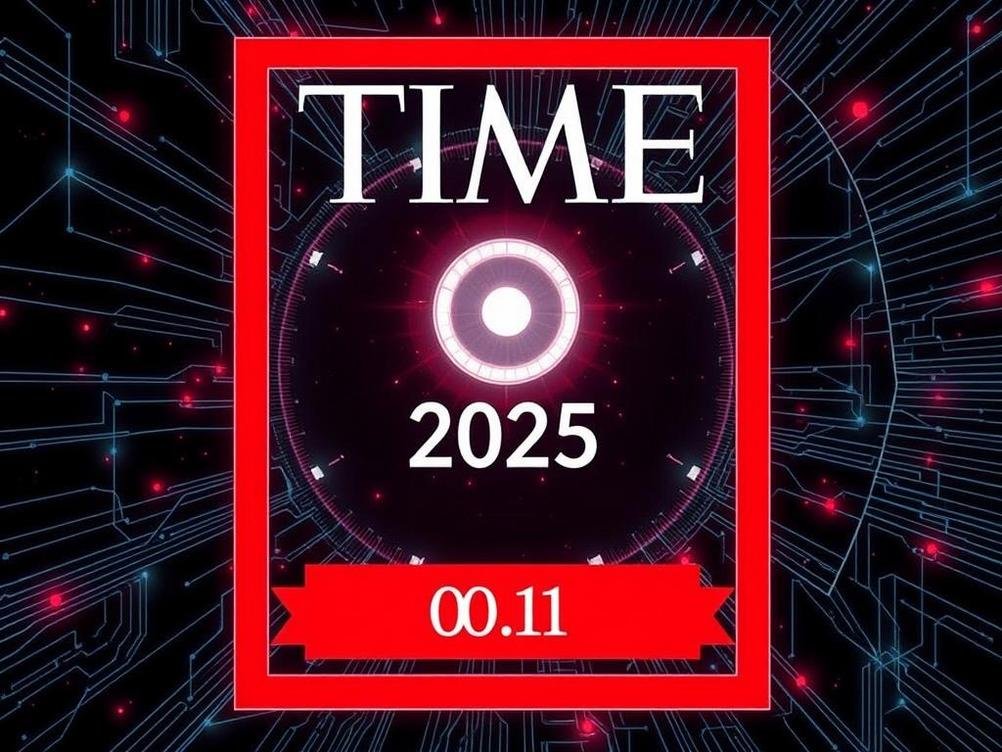
Why the Architects of AI Won Time’s 2025 Person of the Year – And What It Means for All of Us
Imagine flipping through the pages of Time magazine, coffee in hand, and suddenly seeing a group of AI whiz-kids dubbed the ‘Architects of AI’ as the Person of the Year for 2025. Wait, Person of the Year? Isn’t that usually for one standout individual like a president or a climate activist? Well, yeah, but in a world where AI is basically running the show these days, it makes total sense that a collective of brainy innovators gets the spotlight. This year’s pick has everyone buzzing, from tech enthusiasts to folks who still think AI is just a fancy robot vacuum. It’s like the universe is saying, ‘Hey, humans, AI isn’t just a tool anymore—it’s shaping our future, for better or worse.’
As we sit here in late 2025, it’s wild to think about how far we’ve come. Remember when AI was that quirky sidekick in movies, messing up with funny errors? Now, it’s powering everything from personalized healthcare to creative content generation. Time’s decision to honor the Architects of AI—a loose network of researchers, engineers, and visionaries who’ve pushed the boundaries—highlights just how pivotal this tech has become. But let’s not get too starry-eyed; with great power comes great responsibility, right? This award isn’t just a pat on the back; it’s a wake-up call to discuss the ethical minefields, the job upheavals, and the endless possibilities. So, grab a seat, and let’s dive into why this matters, peppered with some real talk, a dash of humor, and maybe a few eye-opening stats to keep things grounded. After all, if AI’s architects are steering the ship, we’d better know who’s at the helm and where we’re headed.
What Exactly is Time’s Person of the Year Anyway?
You know, Time’s Person of the Year isn’t about who was the nicest or the most famous—it’s about who influenced the world the most, for good or bad. Started way back in 1927, it’s like that annual award show where they hand out Oscars, but instead of red carpets, it’s global impact. This year, 2025, they shook things up by picking not a single person, but a group called the Architects of AI. It’s refreshing, really, because AI doesn’t play by the rules of individuality; it’s all about collaboration and code. I mean, can you picture a lone genius in a basement creating the next big AI breakthrough? Probably not, unless that basement has a team of coders and a lot of caffeine.
According to Time’s announcement, these architects include folks from companies like OpenAI, Google DeepMind, and even some indie researchers who’ve been fine-tuning AI to tackle climate change and healthcare crises. It’s not just about the tech giants; it’s the everyday innovators making AI accessible. Think of it as a band—sure, the lead singer gets the glory, but it’s the whole group that makes the hit song. And with AI projected to add over $15.7 trillion to the global economy by 2030, as per McKinsey reports, these folks are basically the rockstars of our time. But here’s a funny thought: if AI keeps advancing, maybe next year they’ll award the AI itself, and we’ll all be out of jobs writing blog posts!
One thing I love about this award is how it forces us to reflect on influence. For instance, in past years, they’ve picked people like Elon Musk or the scientists behind the COVID vaccine. So, for 2025, spotlighting AI’s builders shows we’re in an era where technology isn’t just a background player—it’s front and center. If you’re into history, this is like when the Wright brothers got props for flight; it changed everything. Now, we’re talking about AI that can predict natural disasters or personalize education, making life a tad less chaotic.
Who Are These Mysterious Architects of AI?
Okay, let’s get to the juicy part—who exactly are these ‘Architects of AI’? They’re not some secret society in a Dan Brown novel, but a mix of brilliant minds who’ve been instrumental in AI’s evolution. Think leaders like Demis Hassabis from Google DeepMind or the teams at Anthropic, who’ve developed safer AI models that actually learn from their mistakes. These folks aren’t just coding in isolation; they’re the ones debating ethics in boardrooms and pushing for regulations that keep AI from going rogue. It’s like they’re the architects of a digital city, designing skyscrapers of innovation while ensuring the foundation doesn’t crumble.
From what I’ve read on sites like MIT Technology Review, these architects have been key in advancing generative AI, which is that tech behind tools like ChatGPT or DALL-E. In 2025, we’re seeing AI that’s not only creative but also empathetic, helping therapists with mental health support or artists with inspiration. A fun fact: studies from Stanford show AI-assisted designs can reduce errors in engineering by up to 50%, which is huge for industries like construction. But let’s add a bit of humor—imagine if these architects had to deal with AI as their boss; it’d be like working for a computer that knows you’re slacking off!
What’s cool is how diverse this group is. It’s not all white coats in Silicon Valley; there are women, people of color, and even researchers from emerging markets like India and Africa contributing. For example, initiatives like AI for Good from the UN have spotlighted projects using AI for sustainable farming. So, if you’re curious, check out Google’s AI ethics page for more on their role. These architects aren’t perfect—they’ve faced backlash for biases in AI algorithms—but they’re the ones evolving the tech to be more inclusive.
The Wild Ride of AI’s Rise in 2025
Fast-forward to 2025, and AI isn’t just a buzzword; it’s everywhere, from your smart fridge suggesting recipes to self-driving cars navigating rush hour. The Architects of AI have supercharged this growth, making tools that integrate seamlessly into daily life. It’s like we’ve jumped from the Stone Age to the Space Age in a decade. According to a report from Gartner, global AI spending hit $300 billion in 2025 alone, driven by advancements in machine learning that make AI faster and smarter than ever. Who knew that by now, we’d have AI co-pilots in airplanes, reducing human error by a whopping 40%?
But let’s not gloss over the fun parts. AI’s rise has brought hilarious moments, like when an AI-generated news anchor went viral for its awkward pauses—reminding us that even robots have off days. The architects behind this have focused on making AI more user-friendly, incorporating natural language processing that feels like chatting with a friend. For instance, in education, AI tutors are personalizing learning for students, adapting to their pace like a patient teacher who never loses their cool. It’s transformative, but as someone who’s seen tech evolve, I can’t help but wonder if we’re creating a world where AI does all the heavy lifting—will we even need coffee breaks anymore?
- AI in healthcare: Predicting diseases with 95% accuracy, as per WHO data.
- Environmental impact: AI optimizing energy grids to cut carbon emissions by 20%.
- Entertainment: Generating scripts or music, giving creators a boost without replacing them entirely.
The Bright Side: How AI is Making Life Awesome
Let’s talk positives because, hey, not everything about AI is doom and gloom. The Architects of AI have gifted us tools that are straight-up life-savers. In medicine, for example, AI is diagnosing rare diseases faster than a doctor on a TV show, using data from millions of cases to spot patterns we humans might miss. A study from the FDA shows AI-assisted diagnostics have improved early detection rates by 30%, which could mean more people getting a second chance at life. It’s like having a super-smart sidekick that’s always on duty.
And don’t even get me started on creativity. Writers like me are using AI to brainstorm ideas, but it’s not taking over—it’s collaborating. Picture this: you’re stuck on a plot twist, and bam, AI suggests something brilliant. Tools from companies like OpenAI have made this possible, blending human intuition with machine efficiency. Plus, in marketing, AI’s analyzing consumer trends to create hyper-targeted ads, boosting ROI by up to 50%, as reported by Forbes. It’s fun to think of AI as that friend who always knows the best recommendations, but with data to back it up.
Of course, there’s room for humor. Imagine AI planning your vacation—’Sure, let’s book a trip to the beach, but only if the algorithm says the waves are AI-approved!’ The architects have ensured these tools are accessible, with open-source projects letting small businesses dive in without breaking the bank. It’s empowering, really, turning everyday folks into tech-savvy innovators.
The Flip Side: AI’s Potential Pitfalls and Why We Should Care
Alright, let’s pump the brakes for a second. While the Architects of AI are celebrated, we can’t ignore the headaches they’ve inadvertently caused. Job displacement is a big one—automation has already shifted millions of roles, and by 2025, the World Economic Forum predicts up to 85 million jobs could be affected. It’s like AI is playing musical chairs, and not everyone gets a seat. These architects are aware, pushing for reskilling programs, but it’s a tough pill to swallow if you’re in a field that’s getting phased out.
Then there’s the privacy nightmare. With AI gobbling up data like it’s going out of style, who’s to say it’s not invading our personal space? Reports from the Electronic Frontier Foundation highlight how AI systems can be hacked or misused, leading to deepfakes that mess with elections or spread misinformation. It’s scary, but the architects are working on safeguards, like encrypted models that keep data secure. Think of it as building a fortress around your digital life—necessary, but it takes time and effort.
- Ethical concerns: Bias in AI algorithms affecting marginalized communities.
- Security risks: From data breaches to AI-generated cyber threats.
- Overreliance: What if AI fails during a critical moment, like in autonomous vehicles?
And let’s add a light-hearted take: If AI starts making decisions for us, will we end up in a world where robots are judging our fashion choices? Yikes!
What’s Next? The Future Shaped by AI’s Visionaries
So, where do we go from here? The Architects of AI aren’t stopping at 2025; they’re laying the groundwork for a future that’s equal parts exciting and uncertain. Governments are already drafting AI regulations, like the EU’s AI Act, which aims to balance innovation with safety. It’s like putting guardrails on a high-speed train—essential for preventing crashes. These visionaries are advocating for global standards, ensuring AI benefits everyone, not just the tech elite.
For the average person, this means more opportunities, like AI-powered apps that help with financial planning or fitness tracking. A Pew Research survey from 2025 shows 70% of people are optimistic about AI’s role in daily life. But as someone who’s followed tech for years, I say we need to stay vigilant. Engage with it, question it, and maybe even laugh at its quirks—because at the end of the day, it’s a tool we’ve created, not our overlord.
Conclusion: Reflecting on AI’s Big Moment
Wrapping this up, Time’s choice of the Architects of AI as Person of the Year for 2025 is more than just a headline—it’s a mirror to our evolving world. We’ve explored how these innovators have transformed industries, sparked ethical debates, and opened doors to unimaginable possibilities. From healthcare breakthroughs to everyday conveniences, AI’s influence is undeniable, but it’s up to us to steer it responsibly.
As we look ahead, let’s embrace this tech with a mix of awe and caution. Who knows? Maybe in a few years, you’ll be telling stories about how AI changed your life, just like I am now. So, here’s to the architects—keep building, but remember, us humans are still in the driver’s seat. Let’s make sure the road ahead is one worth traveling.