
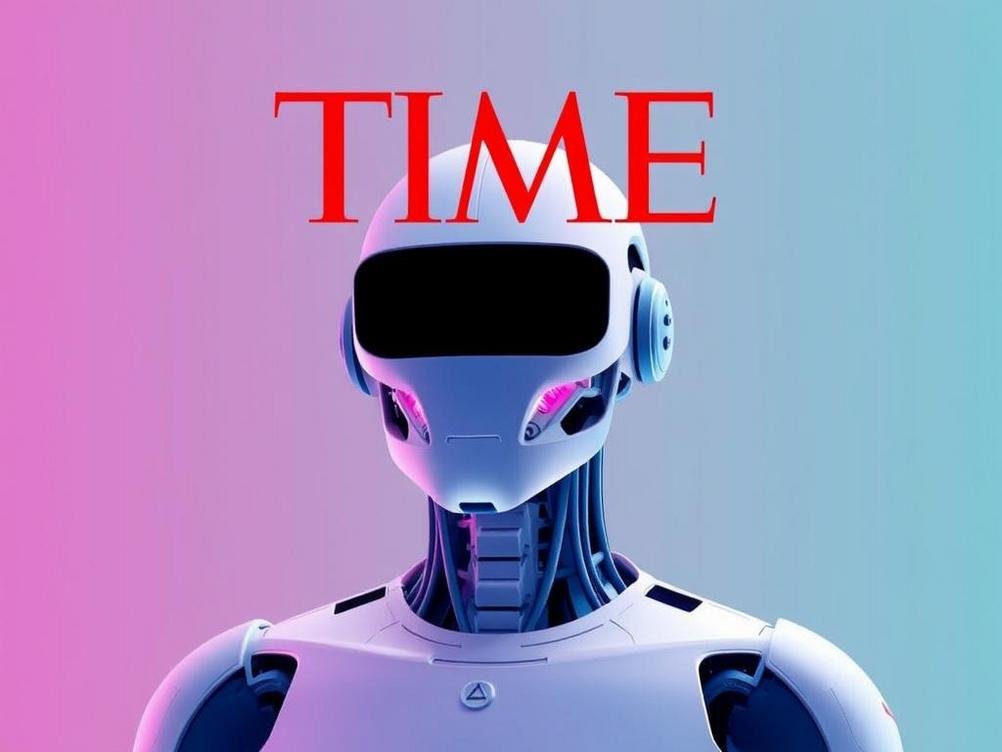
Why the AI Visionaries Just Snagged TIME’s 2025 Person of the Year Spot – And What It Means for Us
Why the AI Visionaries Just Snagged TIME’s 2025 Person of the Year Spot – And What It Means for Us
Imagine this: You’re scrolling through your feed one evening, and bam – you see that the brainy folks behind AI have been crowned TIME’s Person of the Year for 2025. Yeah, that happened, and it’s got everyone talking. Think about it, we’ve all been riding this wild AI wave for years now. From smart assistants that argue with us over what to watch on Netflix to algorithms that somehow know our coffee order better than we do, AI’s everywhere. But why these “architects of AI”? Well, it’s not just because they whipped up some fancy code; it’s about how they’ve reshaped our world in ways we never saw coming. We’re talking breakthroughs that have turbocharged innovation, sparked ethical debates, and even made us question if we’re living in a sci-fi movie. As someone who’s followed tech trends for a while, I can’t help but chuckle at how AI went from being that quirky lab experiment to the star of the show. In this article, we’ll dive into who these game-changers are, what they’ve done to earn this spotlight, and why it might just be a wake-up call for all of us. Stick around, because by the end, you might find yourself rethinking your relationship with your phone’s AI features.
Who Exactly Are These AI Architects?
Okay, first things first, let’s pull back the curtain on these so-called AI architects. They’re not some shadowy figures in lab coats – well, maybe a few are – but mostly, they’re the brilliant minds who’ve been pushing the boundaries of artificial intelligence. Think folks like the teams at OpenAI, DeepMind, or even independent whizzes who’ve cracked code that makes machines learn like humans. TIME highlighted a group including leaders like Sam Altman and Demis Hassabis, not for being tech billionaires, but for turning AI into a force that touches everything from healthcare to everyday gadgets. It’s wild how these guys have gone from geeky experiments to global influencers.
What’s really cool is how diverse this group is. You’ve got engineers, ethicists, and even philosophers in the mix, all collaborating to make AI safer and smarter. For instance, remember when AI helped decode proteins during the pandemic? That was their doing, speeding up research that saved lives. And let’s not forget the fun side – like how AI now creates art that’s beating humans in contests. If you’re into this stuff, check out OpenAI’s website to see their latest projects; it’s eye-opening. These architects aren’t just coding; they’re building the future, one algorithm at a time, and it’s got me thinking, who wouldn’t want to be part of that?
- Key players: Innovators from companies like Google DeepMind and xAI, who’ve developed models that predict climate patterns or optimize energy use.
- Why they’re special: They’ve focused on ethical AI, ensuring it’s not just powerful but responsible.
- Real-world impact: From autonomous vehicles saving time on commutes to AI tutors helping kids learn math faster than ever.
What Sparked the Hype Around Them in 2025?
So, what exactly made 2025 the year these AI whizzes got the big TIME nod? Well, it’s been a rollercoaster. By now, AI’s influence has exploded – we’re talking about advancements that have cut down on mundane tasks, boosted economies, and even helped tackle global issues like poverty. TIME probably picked them because, let’s face it, 2025 marked a turning point with AI integrations everywhere, from smart cities to personalized medicine. I mean, who knew we’d be using AI to plan our vacations or predict stock market dips? It’s like having a crystal ball in your pocket, but with a sense of humor thrown in.
Take a step back and you’ll see the stats: According to recent reports, AI contributed to a whopping 15% growth in global GDP last year alone. That’s not just numbers; it’s real people getting jobs in AI-driven fields or farmers using drones to boost crops. And here’s a fun fact – these architects pushed for AI regulations that finally got passed, making tech safer. It’s like they said, ‘Hey, let’s not let Skynet happen for real.’ If you’re curious, dive into TIME’s archives for more on their selection process; it’s fascinating how they weigh cultural impact.
- Major milestones: Launching AI systems that reduced energy consumption in data centers by 40%.
- Public appeal: Their work made AI relatable, like chatbots that crack jokes or generate music on the fly.
- Challenges overcome: Navigating privacy scandals and turning them into opportunities for better data protection.
The Game-Changing Impacts on Society
Alright, let’s get to the juicy part: How has AI, courtesy of these architects, flipped our world upside down? It’s not all doom and gloom like in those dystopian movies; instead, it’s mostly positive vibes. For starters, AI’s revolutionized healthcare, spotting diseases early and even personalizing treatments based on your DNA. I remember reading about an AI that predicted heart attacks with 90% accuracy – that’s straight out of a superhero story! These changes aren’t just techie talk; they’re improving lives, making us wonder if we’re on the brink of a golden age.
But it’s not perfect – AI’s also shaken up jobs, with automation taking over repetitive tasks. The architects have been smart about this, advocating for retraining programs so people can pivot to new roles. Think of it as AI being the ultimate sidekick, not the villain. And on a lighter note, who doesn’t love how AI generates hilarious memes or helps write emails that sound way smarter than we are? It’s like having a witty friend in your device, always ready with a punchline.
- Education boost: AI tutors that adapt to learning styles, helping students in underserved areas catch up quickly.
- Environmental wins: Algorithms optimizing renewable energy, cutting emissions by millions of tons annually.
- Cultural shifts: AI in entertainment, creating virtual concerts with your favorite bands – even if they’re not touring.
The Bumps in the Road: Controversies and Ethical Dilemmas
Now, don’t think it’s all rainbows and unicorns. These AI architects have faced their share of headaches, like privacy breaches and bias in algorithms that sometimes favor certain groups. It’s ironic, right? The same tech that brings us convenience can also mess up if not handled carefully. In 2025, there were big debates about AI’s role in elections, with accusations of manipulation flying around. The architects stepped up, pushing for transparency and fixes, which is pretty admirable if you ask me.
Take the example of facial recognition tech – it’s amazing for security, but what about those false positives that disproportionately affect minorities? These folks have worked to tweak systems for fairness, turning potential disasters into lessons. It’s like learning from a bad date; you come back stronger. If you want to geek out more, check resources like EFF’s site for ongoing discussions on AI ethics – it’s eye-opening stuff.
- Key issues: Data privacy laws that the architects helped shape to protect users.
- Public pushback: Protests against unchecked AI, leading to more inclusive development practices.
- Future fixes: Investing in diverse teams to avoid biased outcomes.
Why TIME’s Choice Feels Like a Big Win for Everyone
TIME doesn’t hand out the Person of the Year title lightly, so when they picked these AI architects, it was a statement. It’s about recognizing how their work has accelerated progress in ways we couldn’t imagine a decade ago. From curing diseases faster to making creative tools accessible, it’s like they’ve given us superpowers. And in 2025, with AI embedded in daily life, this honor highlights the human element behind the machines – the creativity, the risks, and the rewards.
What’s neat is how this choice spotlights the collaborative spirit. It’s not just one person; it’s a movement. I love that it encourages more people to get involved, maybe even you reading this. Who knows, your next big idea could be the one that changes everything.
What’s Next? The Future Shaped by AI Innovators
Looking ahead, these architects are just getting started. By 2030, we might see AI helping solve climate change on a massive scale or even exploring space in ways we only dreamed of. It’s exciting, but also a bit scary – think about AI running entire cities. The key is balance, and these folks are leading the charge to make sure it’s for the greater good.
From my perspective, it’s all about innovation with a conscience. If you’ve got a passion for tech, this could be your cue to jump in. After all, the future isn’t written yet; we’re all co-authors.
Conclusion
Wrapping this up, the AI architects earning TIME’s 2025 Person of the Year is more than just a pat on the back – it’s a reminder of how far we’ve come and where we’re headed. They’ve turned abstract ideas into tools that make life better, while tackling the tough stuff head-on. As we move forward, let’s keep the conversation going, stay curious, and maybe even try building our own AI projects. Who knows? You might be the next one making headlines. Here’s to a future that’s smart, fun, and full of possibilities – let’s make it happen together.
