dailytech.ai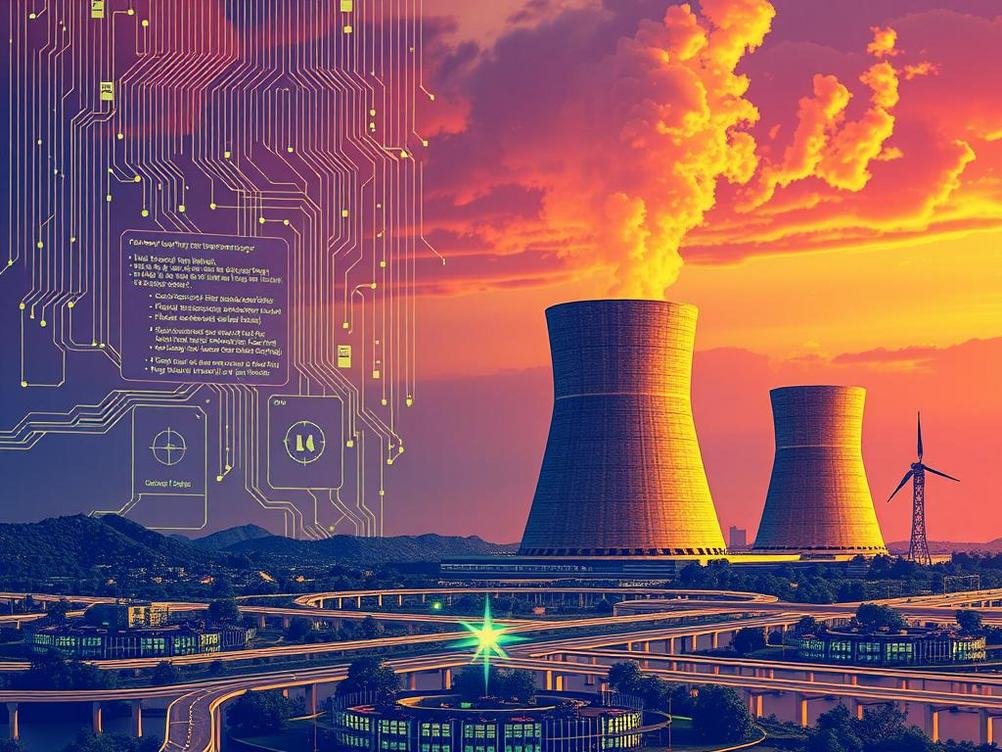
Why Open-Source Code and Nuclear Energy Are the Real MVPs of AI Development
Ever wondered what keeps the AI world spinning? Picture this: you’re binge-watching your favorite AI-generated show, and suddenly the power goes out. That’s right, we’re talking about the unsung heroes—open-source code and nuclear energy—that make all those smart algorithms hum along without a hitch. I mean, who knew that something as geeky as free software and something as intense as nuclear reactors could be the dynamic duo powering our digital dreams? It’s like Batman and Robin, but instead of fighting crime, they’re fighting data overload and energy crises. Think about it: AI isn’t just about fancy neural networks; it’s built on foundations that are accessible to everyone and powered by sources that can keep up with the insane demands of machine learning. We’ve all seen how AI has exploded in recent years, from chatbots that crack jokes to tools that predict everything from stock markets to your next coffee order. But here’s the kicker—without open-source code, we’d be stuck in proprietary purgatory, and without reliable energy like nuclear, we’d be waiting forever for those computations to finish. In this article, we’ll dive into why these two elements are absolutely crucial, blending some tech insights with a dash of humor to keep things light. So, grab your favorite snack and let’s unpack how open-source and nuclear energy aren’t just buzzwords; they’re the building blocks that could shape the future of AI in ways we haven’t even imagined yet.
The Magic of Open-Source Code in AI
Open-source code is basically the internet’s version of a community potluck—everyone brings something to the table, and we all get to enjoy the feast. It’s this collaborative spirit that has turned AI from a niche hobby into a global phenomenon. Think about libraries like TensorFlow or PyTorch; they’re not locked behind corporate walls, which means hobbyists, students, and big tech alike can tweak, improve, and share code freely. It’s kind of hilarious how something so straightforward has disrupted the industry—imagine if your grandma’s secret recipe was open for everyone to remix! But seriously, this openness fosters innovation at lightning speed. For instance, during the early days of the COVID-19 pandemic, open-source AI models helped researchers analyze data faster than you can say “lockdown.”
What’s even cooler is how it democratizes access. You don’t need a million-dollar budget to play with AI anymore; just download some code from GitHub, and you’re off to the races. Of course, there are downsides, like security risks if not handled right—think of it as leaving your front door unlocked in a busy city. But the pros outweigh the cons, especially when you consider how it accelerates learning. Universities are now using open-source tools to teach AI basics, making it easier for the next generation to jump in. If you’re into AI, checking out resources like the GitHub repository is a no-brainer; it’s a goldmine of projects waiting to be explored.
- Encourages community contributions, leading to rapid bug fixes and improvements.
- Reduces costs for developers, as premium software isn’t always necessary.
- Allows for customization, so you can tailor AI models to specific needs—like making a chatbot that’s actually funny.
How Nuclear Energy Keeps AI’s Engines Running
Now, let’s flip the switch to nuclear energy—it’s like the dependable old truck in a world of flashy electric cars. AI chugs through data like there’s no tomorrow, and that requires a ton of power. Data centers, the backbone of AI operations, guzzle electricity like kids with candy, and nuclear plants provide that steady, low-carbon juice without the intermittency issues of renewables like solar or wind. It’s almost ironic how something associated with sci-fi disasters is actually a green hero in disguise. We’ve got reactors pumping out energy reliably, 24/7, which is perfect for those non-stop AI training sessions that can take days or even weeks.
Take a look at countries like France, where nuclear power makes up a huge chunk of their energy mix; it’s enabled them to host massive computing operations without blacking out the grid. And with AI’s growth, we’re seeing more talk about small modular reactors (SMRs) that could be custom-built for tech campuses. It’s not all roses, though—there’s the whole safety debate, which is fair, but advancements in technology have made it safer than ever. If you’re skeptical, remember that nuclear energy has a lower carbon footprint than fossil fuels, helping AI stay somewhat eco-friendly. Sites like the World Nuclear Association break this down with stats, showing how it could meet 10-15% of global energy needs by 2050.
- Provides baseload power, ensuring AI infrastructure runs smoothly without interruptions.
- Emits minimal greenhouse gases, aligning with the sustainability goals of AI development.
- Offers high energy density, meaning you get more bang for your buck compared to other sources.
The Synergy Between Open-Source and Nuclear Power
When you mash up open-source code with nuclear energy, it’s like peanut butter and jelly—each one enhances the other in ways you might not expect. Open-source projects often rely on vast computational resources, and nuclear energy steps in to provide that backbone without hiking up costs or emissions. For example, research labs using open-source AI frameworks can run simulations on energy-efficient grids powered by nuclear plants, speeding up discoveries in fields like climate modeling. It’s a match made in tech heaven, really, because who wants to deal with blackouts when you’re in the middle of training a model?
This combo also promotes accessibility. Imagine open-source communities collaborating on AI tools that optimize energy use in nuclear facilities—it’s a full-circle moment. We’ve seen startups leveraging this synergy to develop smarter grid management systems, cutting waste and improving efficiency. And let’s add a bit of humor: it’s like giving your AI a cup of coffee that’s both strong and sustainable. If you’re curious, platforms like OpenSource.com highlight real cases where this integration has led to breakthroughs.
- Enables cost-effective scaling of AI projects by pairing free software with reliable energy.
- Fosters innovation in energy tech through open collaboration.
- Helps address global challenges, like using AI to predict and prevent nuclear maintenance issues.
Real-World Examples and Case Studies
Let’s get practical—open-source code and nuclear energy aren’t just theoretical; they’re out there changing the game. Take OpenAI’s models, which build on open-source foundations and require enormous energy inputs—places like Google’s data centers in the US often tap into nuclear-powered grids to keep things running. It’s wild to think that without this, we’d have slower AI advancements. Another example? The European Union’s AI initiatives, which use open-source tools to simulate nuclear fusion reactions, potentially unlocking unlimited clean energy. These aren’t just stats; they’re real wins that show how intertwined these elements are.
And here’s a fun one: in 2023, a team of researchers used open-source software to optimize nuclear plant operations, saving millions in energy costs. It’s like using a hack to beat the boss in a video game. According to reports from the International Atomic Energy Agency, AI could reduce operational risks by up to 20% in nuclear facilities. So, if you’re building an AI project, drawing from these examples can give you a head start—check out case studies on sites like IAEA.org for more inspiration.
Challenges and Hilarious Hurdles
Of course, nothing’s perfect—let’s laugh about the bumps in the road. Open-source code can be a wild west; you might download something that’s full of bugs, like finding a spider in your shoe. And nuclear energy? Well, it’s got that stigma from movies where everything blows up. Pairing them means dealing with regulatory hurdles and security concerns, which can slow down progress faster than a traffic jam on a Monday morning. But hey, that’s what makes it interesting—who doesn’t love a good challenge?
One funny pitfall is the energy paradox: AI helps optimize nuclear plants, but those plants power the AI that might one day make them obsolete with fusion tech. It’s like a snake eating its own tail! Statistics from energy reports show that AI data centers could consume 20% of global electricity by 2030, so balancing act is key. To navigate this, communities are using open-source forums to share solutions, turning potential disasters into collaborative triumphs.
The Future Outlook: What’s Next for AI’s Building Blocks
Looking ahead, the fusion of open-source code and nuclear energy is poised to explode—pun intended, but in a good way. As AI evolves, we’ll see more integration, like AI-driven nuclear designs that are safer and more efficient. It’s exciting to think about how this could lead to breakthroughs in other areas, such as personalized medicine or autonomous vehicles. By 2030, predictions suggest open-source AI frameworks will dominate, fueled by clean energy sources like nuclear, making tech more inclusive.
With advancements in quantum computing on the horizon, these building blocks will be even more critical. Imagine AI models running at warp speed on nuclear-powered quantum chips—it’s straight out of sci-fi! And for the everyday user, this means faster, smarter tools without the hefty price tag. Keep an eye on emerging trends; resources like Future of Life Institute offer great insights into what’s coming.
Conclusion
In wrapping this up, it’s clear that open-source code and nuclear energy aren’t just supports for AI—they’re the very essence that keeps it thriving and accessible. We’ve journeyed through their individual strengths, their powerful partnership, and even the laughs along the way, showing how they’re shaping a brighter, more innovative future. Whether you’re a tech newbie or a seasoned pro, embracing these elements can spark your own projects and contributions. So, let’s keep the conversation going and push for a world where AI is as reliable as it is revolutionary—who knows what we’ll build next?