How AI Ambassadors from YCS Turned a Conference into a Game-Changing AI Blueprint
How AI Ambassadors from YCS Turned a Conference into a Game-Changing AI Blueprint
Ever been to a conference where you leave feeling like you just unlocked a secret level in a video game? Well, that’s exactly how I imagine the MASSP Catalyst Conference went down for the AI Ambassadors from YCS. Picture this: a room full of bright-eyed folks from Young Computer Scientists (YCS), huddled around laptops and whiteboards, brainstorming ways to weave AI into everyday life. It’s not every day you hear about high school or college kids stepping up to design an AI action plan that could shape the future, but that’s what happened here. I mean, who knew that a conference could turn into a playground for tech enthusiasts? As someone who’s geeked out over AI for years, I find it hilarious how these ambassadors managed to mix serious strategy with a dash of fun, proving that innovation doesn’t have to be all stuffy suits and jargon. This story isn’t just about tech; it’s about young minds tackling real-world problems like education, ethics, and even a bit of entertainment through AI. Stick around, and I’ll walk you through how they pulled it off, why it matters, and what it could mean for you or your kids in this ever-evolving digital world. We’re talking practical tips, a few laughs, and maybe even a nudge to get you thinking about your own AI adventures. After all, in 2025, AI isn’t some distant sci-fi dream—it’s happening right now, and these YCS folks are leading the charge.
What Exactly Was the MASSP Catalyst Conference All About?
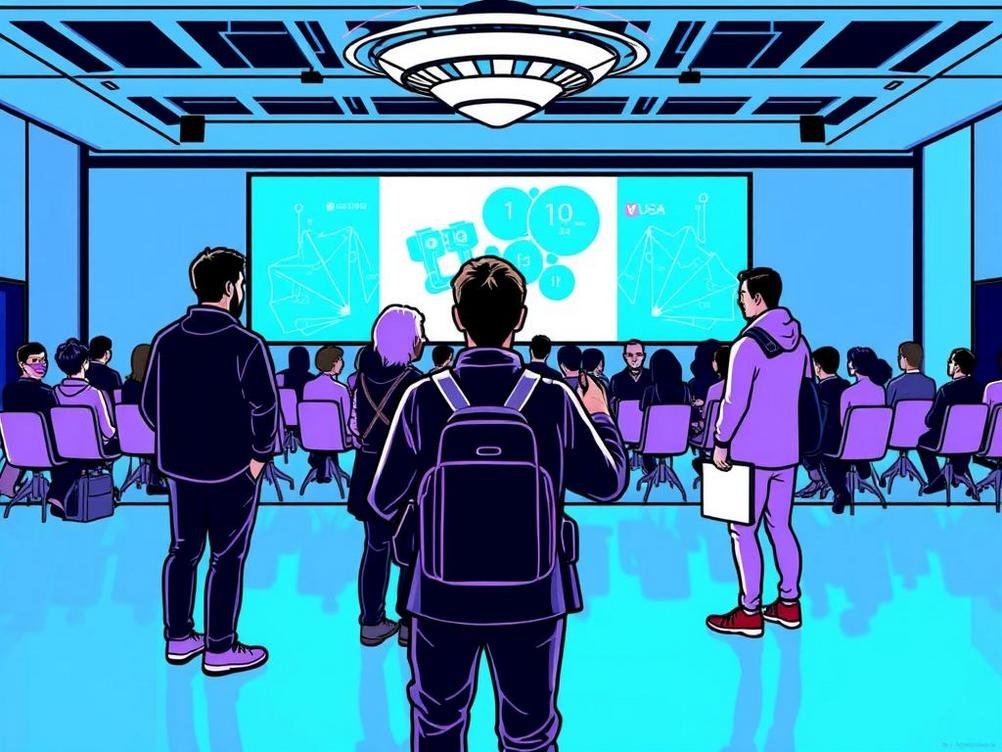
You know, conferences can sometimes feel like that awkward family reunion where everyone’s talking but no one really listens. But the MASSP Catalyst Conference? That’s a whole different ballgame. Held earlier this year, this event was all about sparking change in education and technology, bringing together educators, students, and innovators to hash out ideas that could transform how we use AI. The AI Ambassadors from YCS—think of them as the cool kids in class who always have the latest gadgets—were front and center, using the conference as their stage to design an AI action plan. It was like watching a live-action TED Talk, but with more collaboration and less polished speeches.
What made this conference stand out was its focus on actionable steps rather than just theoretical banter. The ambassadors dove into sessions on AI ethics, implementation, and real-world applications, turning abstract concepts into something tangible. For instance, they looked at how AI could personalize learning for students, making education feel less like a chore and more like a personalized adventure. And let’s not forget the humor—they probably cracked a few jokes about AI gone wrong, like those robot vacuums that eat your socks. If you’re curious about attending something similar, check out the official MASSP website at massp.org for upcoming events; it’s a goldmine for anyone interested in edtech.
- Key themes included bridging the gap between AI theory and practice.
- Participants shared stories of AI successes, like using chatbots in classrooms to answer student questions instantly.
- It wasn’t all serious—the event had breakout sessions that felt more like brainstorming parties.
Who Are These AI Ambassadors from YCS, Anyway?
Alright, let’s talk about the stars of the show: the AI Ambassadors from YCS. YCS, or Young Computer Scientists, is basically a group of tech-savvy students and young pros who are passionate about AI and its potential to change the world. These aren’t your average kids glued to their phones; they’re the ones building apps in their bedrooms or debating the ethics of facial recognition over pizza. At the MASSP Conference, they stepped up as ambassadors, representing a new wave of thinkers who aren’t waiting for permission to innovate. I love how they bring a fresh perspective—think of them as the underdogs in a superhero movie, using their smarts to tackle big issues.
What really cracks me up is how these ambassadors blended enthusiasm with expertise. They came prepared with ideas on everything from AI in healthcare to education, but they kept it real by sharing personal stories. One ambassador mentioned how AI helped them ace a science project, turning a boring assignment into an exciting experiment. It’s inspiring, really, because it shows that you don’t need a PhD to make an impact—just curiosity and a willingness to learn. If you’re a parent or teacher, groups like YCS are worth checking out; their resources at ycs.org can help nurture that tech spark in young minds.
- Many ambassadors are high schoolers who’ve won coding competitions.
- They focus on diversity, ensuring underrepresented voices are part of the AI conversation.
- Fun fact: Some have even collaborated on open-source AI projects, like simple chatbots that teach languages.
The Brainstorming Magic: How They Designed the AI Action Plan
Now, onto the juicy part—how did these ambassadors actually design their AI action plan? It wasn’t some magical overnight thing; it was a mix of structured workshops and spontaneous ‘what-if’ chats during the conference. They started with group sessions, tossing around ideas like “What if AI could predict student struggles before they happen?” It was like a mad scientist’s lab, but with more laptops and less bubbling potions. The plan focused on practical steps, such as integrating AI tools into school curriculums and addressing potential biases in algorithms. I mean, who doesn’t appreciate a plan that combines tech with a sense of humor, like imagining AI as your personal study buddy that doesn’t judge your bad jokes?
They broke it down into phases: research, prototyping, and implementation. For example, one idea was to use AI for adaptive learning platforms, where students get tailored lessons based on their progress. According to a 2024 report from the AI Education Alliance, schools using similar tech saw a 20% boost in engagement. The ambassadors even role-played scenarios, which added a fun twist and made the process feel less like work and more like a game. It’s stuff like this that makes you realize AI isn’t just for big corporations—it’s for everyday problem-solving.
- Gather data on current AI trends and challenges.
- Prototype ideas using free tools like Google Colab.
- Test and refine the plan with feedback from peers.
Key Elements of the AI Action Plan That Stood Out
Diving deeper, the AI action plan these ambassadors cooked up was packed with smart, doable elements. First off, they prioritized ethics—because let’s face it, AI without morals is like a car without brakes. They outlined ways to ensure AI systems are fair and transparent, drawing from real-world examples like the biases in facial recognition tech that made headlines a couple of years back. Their plan included guidelines for auditing AI algorithms, which is crucial in education to avoid worsening inequalities. It’s refreshing to see young people tackling this head-on, don’t you think?
Another highlight was the emphasis on accessibility. They proposed using AI to create tools for students with disabilities, like voice-activated learning aids. Imagine an app that reads textbooks aloud with a fun, robotic voice—it’s practical and kinda hilarious. Statistics from the World Economic Forum show that AI could add $13 trillion to the global economy by 2030, but these ambassadors focused on the human side, making sure everyone benefits. Their plan even suggested partnerships with companies like Microsoft, whose AI for Accessibility program has already helped millions.
The Real-World Impacts and Why It Matters
So, what’s the big deal with this action plan? Well, it’s not just theoretical fluff; it has real-world teeth. The ambassadors’ ideas could revolutionize how schools use AI, from personalized tutoring to predictive analytics for student success. Think about it: if AI can spot when a kid’s struggling in math and suggest extra help, that’s a game-changer. During the conference, they shared how this could reduce dropout rates, backed by studies showing AI-driven interventions improving grades by up to 15%. It’s like having a super-smart friend who’s always got your back.
And let’s add a touch of humor—imagine AI as that overly helpful relative who corrects your grammar but actually makes you smarter. The plan also touches on broader impacts, like preparing the workforce for AI jobs. With automation on the rise, skills like coding and data analysis are more valuable than ever. If you’re in education, this is your cue to get involved; sites like Coursera offer AI courses that align with these ideas.
Challenges They Faced and How They Overcame Them
No story is complete without a few bumps in the road, and the ambassadors had their share. One big challenge was the tech divide—not everyone at the conference had access to the latest AI tools, which made collaboration tricky. It’s like trying to build a sandcastle with only a spoon; you can do it, but it’s harder. They overcame this by focusing on open-source software, ensuring their plan was inclusive and didn’t rely on expensive tech. That kind of adaptability is what makes their work so relatable and human.
Another hurdle was skepticism from older participants who worried about AI replacing teachers. The ambassadors tackled this with data and stories, showing how AI complements human roles rather than replacing them. For instance, they referenced a study from MIT where AI-assisted teaching led to better outcomes. By the end, they turned doubters into believers, proving that with a little wit and persistence, you can win anyone over.
Looking Ahead: The Future of AI Inspired by This Conference
As we wrap up, it’s clear that the MASSP Catalyst Conference was more than just a meeting— it was a launchpad. The AI Ambassadors from YCS didn’t just design a plan; they ignited a movement. Looking to 2026 and beyond, their ideas could influence policy, education, and even everyday tech use. It’s exciting to think about how this might evolve, with more young voices shaping AI’s direction.
In a world that’s increasingly digital, events like this remind us that innovation starts with people. So, whether you’re a student, teacher, or just curious, get out there and explore AI— who knows, you might be the next ambassador changing the game.
Conclusion
In the end, the AI Ambassadors from YCS showed us that with a bit of creativity and courage, anyone can design a future worth getting excited about. Their action plan from the MASSP Catalyst Conference highlights the power of collaboration, ethics, and real-world application in AI. As we move forward in 2025 and beyond, let’s take inspiration from their story and push for more inclusive tech innovations. Remember, AI isn’t just about the tech—it’s about the people making it happen, and maybe, just maybe, it’s time for you to join the fun.